
Learning by Doing: 5 Benefits of Active Learning and How to Bring It Home

Active learning helps students build stronger problem-solving skills and a deeper understanding for future success.
When many people think about learning, they often imagine a classroom where students sit quietly while a teacher explains a lesson.
While listening and observing are valuable parts of education, research shows that students learn more effectively when they are actively involved in the learning process.
This approach is known as active learning. Rather than simply receiving information, students engage with ideas through discussion, exploration, problem-solving, and creation. They participate in their learning instead of passively absorbing it.
Active learning transforms the classroom into a dynamic environment where curiosity, discovery, and collaboration take place. Beyond helping students understand academic concepts, it also equips them with essential life skills that prepare them for the future.
What Is Active Learning?
Active learning is a teaching and learning approach that encourages students to interact with the material they are studying.
Instead of focusing only on lectures or memorization, students participate in activities that require them to think, discuss, experiment, and create.
For example, in an active learning environment, students might conduct science experiments to test a hypothesis, work in groups to solve real-world problems, or design projects that demonstrate their understanding of a topic.
When students actively engage with the subject matter, they develop a deeper understanding of concepts and learn how they can be applied in practical ways.
Read Also: Types of Learning Styles: Knowing Your Child’s Better
The Science Behind Engaging Learning
Parents often focus on what children learn, but how they learn plays an equally important role in shaping academic success.
Research shows that when students actively participate in lessons, they process information more deeply and retain it longer.
Why does engaging learning work so effectively?
Improves memory retention
Builds deeper understanding
Strengthens critical thinking
Encourages active participation
Helps students apply knowledge
Develops natural curiosity
Creates stronger learning connections
Supports long-term academic growth
This is why active learning is often described as “learning by doing.” When students ask questions, explore ideas, and discover solutions themselves, they move beyond short-term memorization and develop understanding they can apply in new situations.
So, How is Active Learning Beneficial for Students?
Understanding the benefits of active learning helps parents see why modern classrooms are shifting beyond one-way instruction. When children participate directly in the learning process, they build practical skills that prepare them for both academic success and future challenges.
Higher Retention and Deeper Understanding
One of the most significant benefits of active learning is improved knowledge retention.
When students actively engage with information, whether through discussion, experimentation, or problem-solving, they are more likely to remember what they have learned.
Instead of memorizing facts temporarily, students develop a deeper understanding of concepts.
This deeper learning allows them to apply knowledge in new situations, which is an important skill for both academic success and real-life problem-solving.
Stronger Critical Thinking Skills
Active learning encourages students to think beyond surface-level answers. When students analyze information, evaluate different viewpoints, and develop their own conclusions, they strengthen their critical thinking abilities.
These skills help students become independent learners who can assess information carefully and make thoughtful decisions. In a world where information is constantly available, the ability to think critically is more important than ever.
Better Collaboration and Communication
Many active learning activities involve group discussions and collaborative projects. Through these experiences, students learn how to work with others, share ideas, and listen to different perspectives.
Collaboration helps students develop communication skills that are essential for both academic environments and future workplaces. Learning to work together also teaches respect, empathy, and teamwork. All of which are qualities that contribute to healthy relationships and strong communities.
Increased Motivation and Engagement
Active learning naturally increases students’ interest in their studies. When students are invited to participate in hands-on activities, discussions, and creative projects, they often feel more motivated to learn.
Rather than feeling disconnected from the lesson, students become curious and eager to explore new ideas. This sense of engagement can foster a lifelong love of learning and encourage students to take initiative in their educational journey.
Development of Creativity and Problem-Solving Skills
Active learning also nurtures creativity. When students are encouraged to design projects, conduct experiments, or present ideas in new ways, they learn to think creatively and approach challenges with innovative solutions.
Problem-solving becomes an important part of the learning process. Students learn that mistakes can lead to discovery and that challenges can inspire new ideas. These experiences help them develop resilience and confidence in their abilities.
Read Also: The Power of Playful Learning: A Holistic Approach to Early Childhood Education
Active Learning at School and at Home
Active learning is often implemented in schools through interactive lessons, project-based learning, and hands-on activities.
Students might build models to understand scientific concepts, participate in debates to explore historical events, or collaborate on projects that address real-world challenges.
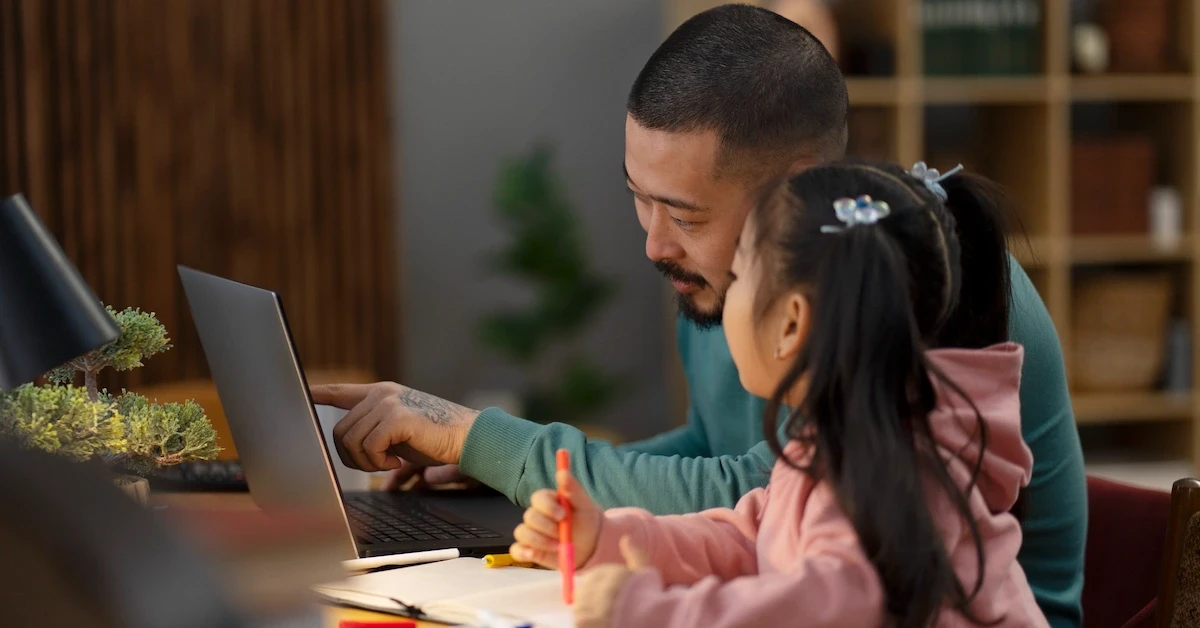
However, active learning does not have to be limited to the classroom. Parents can also encourage this approach at home by creating opportunities for children to explore and discover.
Simple activities such as cooking together, building projects, gardening, or discussing books and ideas can encourage children to ask questions and think critically.
These everyday experiences help reinforce the mindset that learning is not limited to school but rather a continuous journey of discovery.
What The Scripture Says about Active Learning?
The concept of active learning reflects an important principle found in the Christian faith. In James 1:22, believers are reminded: “But be doers of the word, and not hearers only.”
This verse emphasizes that faith is not meant to remain theoretical. True understanding comes when believers live out what they have learned.
Similarly, active learning encourages students to move beyond simply hearing information. By applying knowledge through action, exploration, and experience, students develop a deeper understanding of the world around them.
Just as faith grows through practice and daily living, knowledge grows when it is actively explored and applied. This connection reminds us that learning is not only about gaining information but also about developing wisdom.
Read Also: Ways to Enhance Neuroplasticity and Learning in Early Childhood Years
Give Your Child a Stronger Start Through Sekolah Pelita Harapan’s Active Learning Approach!
Learning at Sekolah Pelita Harapan is designed to help students become active participants. Through engaging lessons, collaborative projects, and hands-on exploration, students are encouraged to discover the wonders of God’s creation.
Active learning takes place through play, inquiry, and project-based activities that invite students to explore ideas with curiosity and creativity. These experiences help students connect what they learn in the classroom with the world around them.
We believe students learn best when they are actively involved in God’s world, discovering its beauty and complexity firsthand. By engaging with their studies and their surroundings, students grow not only in knowledge but also in character, wisdom, and purpose.
Through active learning, students are equipped to become thoughtful individuals who use their gifts to serve others and steward God’s creation well.
For parents seeking a primary school that nurtures both academic excellence and Christ-centered growth, SPH offers an environment where children are equipped to thrive in a rapidly changing world.
If you would like to learn more about how SPH can support your child’s learning journey, we invite you to contact SPH and discover how active learning can help shape a strong foundation for their future!

Share this blog post

Established in 1993, Sekolah Pelita Harapan (SPH) has become a trusted International Christian School in Jakarta providing Christian education for Indonesian and expatriate families. As a dedicated partner in education, SPH seeks to empower families with personalized programs and resources, fostering academic excellence, nurturing faith, building character, and facilitating their children's personal growth.