

6 Ways to Train Your Child’s Problem-Solving Skills from an Early Age
Every parent wants their child to grow up confident, resilient, and able to face challenges independently.
These qualities are more important than ever. Problem-solving is not just an academic skill, it’s a key 21st-century competency that helps children succeed in school, relationships, and life. When children learn how to analyse situations, think creatively, and find solutions, they become better equipped to navigate a world that is constantly changing.
The good news is that problem-solving is not something children learn only in the classroom. It is a skill that can be developed from daily experiences at home. With the right guidance and opportunities, even toddlers and preschoolers can begin practicing the foundations of problem-solving in simple, playful ways.
What Are Problem-Solving Skills and Why Do They Matter?
Problem-solving skills refer to a child’s ability to understand a challenge, explore different options, and choose a solution. This includes skills like critical thinking, reasoning, creativity, decision-making, and resilience. These competencies form the foundation of future success, not only academically but also emotionally and socially. Children who grow up with strong problem-solving skills tend to be more confident, more adaptable, and less afraid of new experiences.
From a Biblical perspective, the pursuit of wisdom and discernment is an essential part of growing into the person God intends us to be. Scripture consistently reminds us to seek understanding, ask questions, and use our God-given minds to make wise decisions. God created humans with incredible ability to reason, imagine, and create solutions even in complex situations. When we help children develop problem-solving skills, we are nurturing the gifts that God has already placed within them.
Before children can grow into confident problem-solvers, they need daily opportunities to practice these skills in simple, age-appropriate ways. The good news is that problem-solving doesn’t always look like structured lessons or complicated activities. It often happens during everyday moments at home. Whether through play, small challenges, or guided conversations, parents can create an environment where children learn to think independently, try different approaches, and discover that mistakes are simply part of learning.
Here are some practical ways to build these skills from an early age.
Encourage Open-Ended Play
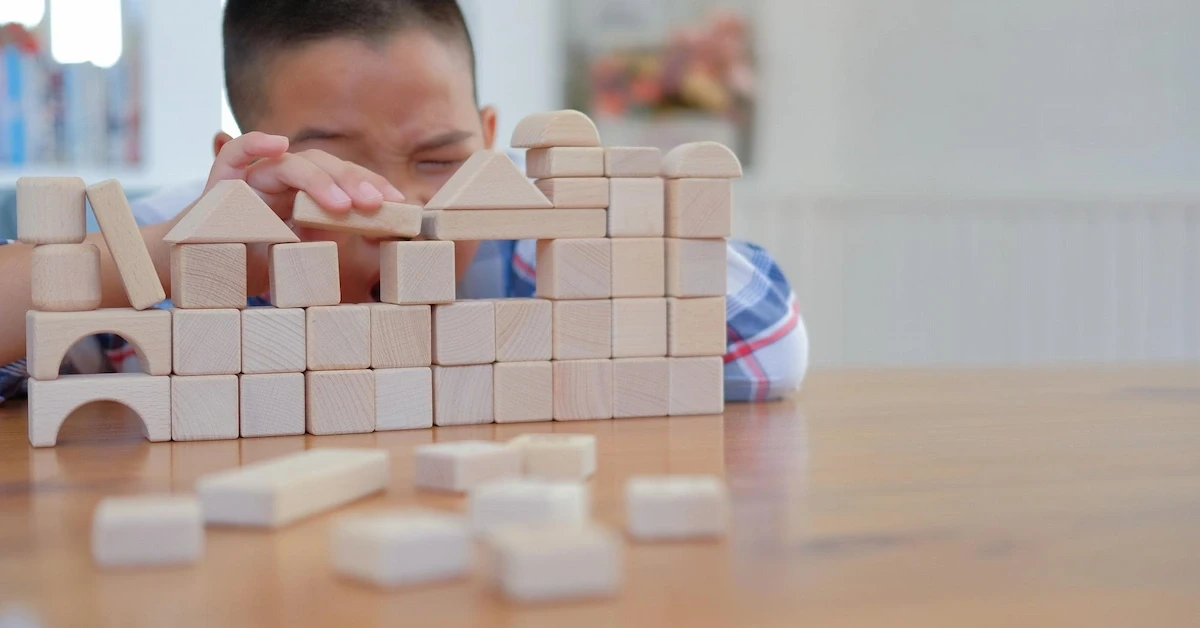
Open-ended play allows children to explore without strict rules or fixed outcomes. Toys like blocks, loose parts, playdough, and pretend-play items encourage children to experiment, build, invent, and imagine different scenarios. Because there is no “right way” to play, children naturally practice trial and error, decision-making, and creative thinking. These moments of exploration help them learn to analyse situations and discover solutions independently.
Let Them Struggle a Little
As parents, our instinct is to step in quickly when our child faces difficulty. But giving children space to struggle just enough helps them build persistence and resilience. Whether they’re trying to zip a jacket, solve a small conflict with a sibling, or complete a puzzle, these moments teach them patience and perseverance. When children learn that struggling is part of the learning process, they grow more confident in their own abilities.
Use Puzzles, Logic Games, and Simple Challenges
Puzzles, matching games, building sets, and age-appropriate logic activities are excellent tools for strengthening problem-solving skills. These playful tasks help children recognise patterns, plan ahead, and test ideas. You can also create simple challenges at home, like building the tallest tower or figuring out how to move water from one cup to another. The goal is not to complete the task perfectly, but to encourage curiosity and experimentation.
Ask “What If?” Questions
“What if?” questions spark imagination and support critical thinking. You can ask questions like:
“What if the bridge you built falls down. How can we make it stronger?”
“What if it rains during our picnic. What should we do?”
These questions help children think ahead, explore alternatives, and consider different outcomes. It strengthens reasoning skills and teaches them to approach situations thoughtfully rather than react impulsively.
Allow Them to Make Choices
Giving children simple choices throughout the day such as what to wear, which snack to eat, or which activity to try helps them practice decision-making. It also builds a sense of independence. Children learn to evaluate options, think about consequences, and take responsibility for their choices. This sense of ownership is a core part of developing strong problem-solving skills.
Create a Home Environment Where “Failure = Feedback”
Children thrive when they feel safe to make mistakes. When parents treat failure as feedback rather than defeat, children become more willing to try new things and solve problems creatively. Celebrate effort, not just success. Normalize mistakes by saying things like, “It didn’t work this time. What can we try next?” or “Every mistake helps us learn something new.” This mindset encourages confidence, persistence, and long-term resilience.
Partnering With a School That Nurtures Problem-Solvers
We believe that nurturing strong problem-solvers begins early. Children need more than academic knowledge, they need opportunities to ask questions, explore, experiment, and make decisions. Our learning approach encourages students to think critically, work collaboratively, and develop creativity through inquiry-based learning and meaningful hands-on experiences. Through a holistic Christian education, we also guide students in seeking wisdom and discernment as they learn to navigate challenges with courage and faith.
Partnering with a school that values these skills, parents can ensure that their child grows in an environment that supports mental, emotional, and spiritual development.

Share this blog post

Established in 1993, Sekolah Pelita Harapan (SPH) has become a trusted International Christian School in Jakarta providing Christian education for Indonesian and expatriate families. As a dedicated partner in education, SPH seeks to empower families with personalized programs and resources, fostering academic excellence, nurturing faith, building character, and facilitating their children's personal growth.