

6 Facilities in Schools That Support Child Development
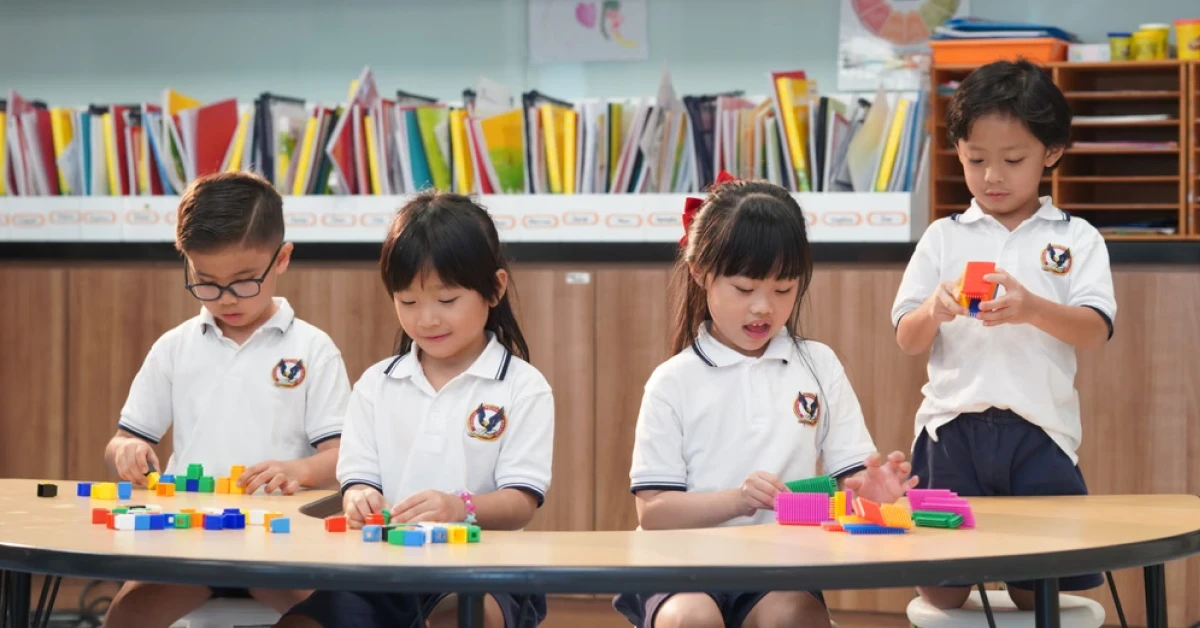
As parents, we want our children to have more than just a place to study. We want them to try new things, learn from experience, and develop skills that will help them as they grow.
The spaces children use at school can help them apply what they learn, work with others, solve problems, and discover their interests. That is why facilities in schools should reflect children's needs and support their development as they get older. Here are six types of facilities and learning spaces worth considering.
Design & Technology Learning Spaces
Some children love figuring out how things work. They might build things with LEGO, ask questions about robots, or enjoy making something with their hands. Specialised design and technology facilities in schools give children opportunities to explore these interests through practical activities.
Through these types of learning spaces, students can build, experiment, test solutions, and try again when something doesn't work. Along the way, they develop creativity, problem-solving skills, and confidence.
Makerspace and Robotics Lab
Makerspaces and robotics labs are designed to support creativity, innovation, and hands-on learning. Equipped with dedicated workspaces, building materials, specialised tools, and robotics equipment, these facilities give students the resources they need to explore ideas and develop practical skills. Working in these spaces encourages students to think creatively, approach challenges from different angles, and build confidence in solving problems independently.
Food Technology Lab
A food technology lab provides a dedicated space equipped for practical learning about food, nutrition, and food science. With workstations, cooking equipment, measuring tools, and food preparation facilities, it gives students an environment where they can connect scientific concepts with everyday life. This specialised space supports the development of practical knowledge, scientific curiosity, attention to detail, and an understanding of how food and nutrition relate to daily well-being.
Product Design & Design Technology Classes
Product design and design technology spaces give students room to turn their ideas into functional products. With suitable work areas, design tools, materials, and technology, students can identify needs, sketch concepts, choose materials, and create prototypes. They can then test their designs, evaluate how well they work, and refine them based on the results.
These spaces encourage students to consider both the appearance and function of a product while developing creativity, practical design skills, and problem-solving abilities.
Visual Art Classrooms
Art offers children a powerful outlet for their thoughts, feelings, and ideas. While some thrive exploring traditional materials, others find their voice in digital media. Well-designed facilities in schools, including dedicated art spaces, give students opportunities to experiment with different forms of creative expression, develop practical skills, and discover new interests.
Visual Arts Pods
By engaging in a dedicated visual art space, students can focus on exploring drawing, painting, sculpture, ceramics, photography, and digital illustration while staying inspired. Doing these activities in a dedicated space helps them experiment with new techniques, discover their preferences, and express themselves creatively.
These spaces can also serve as exhibition areas where students display their artwork and share their creative ideas with the school community. Seeing their work showcased gives students an opportunity to appreciate their progress, celebrate their efforts, and learn from one another.
Media Arts Class
Creating videos and other digital media lets students explore how stories and ideas can be shared with an audience. They might plan a story, organise scenes, record footage, and edit the final result. Dedicated media arts facilities in schools give students the tools and space to develop creative skills, communicate ideas through digital formats, and explore interests they might not have encountered otherwise.
These spaces also support collaborative projects, where students work together to produce videos, presentations, or other digital content. Sharing their finished work gives students experience presenting ideas to an audience and learning from one another.
Performing Arts Facilities
Some children enjoy being on stage, while others prefer exploring music or working behind the scenes. Performing arts facilities in schools for performing arts, such as theatres and music rooms, provide the space and resources students need to develop these interests. With purpose-designed areas for rehearsals, performances, and music practice, students can strengthen their skills, build confidence, and learn to work with others.
Theatre
A theatre provides a dedicated space for rehearsals and live performances, with a stage, lighting, and sound systems to support different types of productions. With a dedicated stage, lighting, and sound systems, it gives students a place to explore acting, improvisation, and script interpretation while learning how technical elements contribute to a production.
Music Room
A well-equipped music room features a variety of musical instruments, microphones, and speakers, providing students with the resources to explore music in different ways. The space supports individual practice, music lessons, and group rehearsals, allowing students to develop their musical techniques and experiment with different sounds. Playing together also encourages students to listen carefully, coordinate with others, and build their confidence as they develop their musical abilities.
Sports Facilities
Children enjoy different kinds of physical activity. Some love team sports, while others prefer swimming or activities that let them focus on individual progress. To support these varied interests, students need access to sports facilities suited to different activities. From outdoor courts to swimming pools and gyms, these spaces give students opportunities to learn new skills, practise consistently, and improve their performance.
At SPH, sports facilities are maintained in line with international standards through regular inspections, timely repairs, and equipment updates when needed. This ongoing care helps keep the facilities safe, functional, and suitable for physical education and sports practice, allowing students to make the most of their learning experiences.
Various Types of Sport Courts
Different sports fields and courts provide suitable spaces for students to learn, practise, and become familiar with the rules of different sports.
Soccer fields: High-quality grass or artificial turf, sturdy goalposts, and clearly marked field boundaries give students space to practise passing, shooting, and positioning while learning how to play within the rules of soccer.
Basketball courts: Suitable flooring, securely installed hoops, and clear court markings provide the setting for students to practise dribbling, shooting, and passing while understanding the boundaries and rules of the game.
Tennis courts: Suitable court surfaces, nets, posts, and clearly marked boundary lines allow students to practise their strokes, develop their playing techniques, and learn how to keep the ball within the designated playing area.
Access to a variety of sports fields and courts in good condition allows students to try different sports, become familiar with their rules, and improve their skills through regular practice.
Swimming Pool
A school swimming pool gives students a space to develop swimming skills while supporting their physical and emotional well-being. Through regular practice, students can improve their coordination, balance, and overall fitness. Swimming can also help children feel more relaxed, improve their mood, and release excess energy. As they learn new skills, they can build confidence while gaining basic water safety knowledge to help them stay safe in and around the pool.
Gym and Multi-Sport Facilities
Gyms and multi-sport facilities give students opportunities to build physical strength, improve fitness and stamina, and explore different types of physical activity. Depending on the available equipment and spaces, students can take part in fitness exercises, badminton, basketball, and other indoor sports.
Gym-based exercises help develop muscle strength and physical conditioning, while sports activities support cardiovascular fitness, coordination, and healthy competition. Group games also encourage communication, teamwork, and strategic thinking. Having access to different activities helps students discover their interests, build confidence in their physical abilities, and develop habits that support long-term well-being.

Science and Research Facilities
Children often have questions about the world around them. Why does a plant grow towards the light? What happens when two materials are combined? Science and research facilities in schools give students opportunities to investigate these questions through practical activities.
By making observations, testing ideas, and discussing results in a dedicated learning environment, students learn that unexpected findings can lead to new questions. Purpose-designed spaces with appropriate tools and resources support this process, allowing students to explore scientific concepts and develop their understanding through direct experience.
Science Labs
The school's science facilities include dedicated biology, chemistry, and physics labs. Each lab supports hands-on learning in its respective field while maintaining appropriate safety standards. Using equipment suited to their lessons and grade levels, students can conduct experiments, compare results, and record their findings. When an experiment produces an unexpected result, they can investigate why and learn how evidence helps explain scientific concepts.
Applied Science Academy (ASA) Lab
For students who want to explore science beyond regular classroom experiments, the Applied Science Academy (ASA) offers opportunities to take their interests further. Available at SPH Lippo Village and SPH Kemang Village, this after-school programme is designed for students in Grades 10–12 who have a strong interest in science and research.
Through ASA, students have access to advanced laboratory equipment and materials that support more in-depth scientific investigations. They can develop research projects, investigate scientific and engineering challenges, test their ideas, analyse findings, and refine their approaches with guidance from experts and professors.
With advanced lab equipment and hands-on research opportunities, students can take their scientific interests further, develop their research skills, and explore how science can help address real-world challenges.
Intentionally Designed Collaborative Spaces
Students learn in different ways throughout the school day. They may work independently, discuss ideas with classmates, or take part in group activities. At SPH, classrooms, common areas, and libraries are designed with these different ways of learning in mind.
The way classrooms and other areas are physically designed can facilitate collaborative learning, accommodate different learning needs, and make learning more engaging.
Classrooms
Classroom design can support different ways of learning throughout the school day. Flexible seating arrangements, accessible learning resources, and designated spaces for group work allow students to move between individual tasks, discussions, investigations, and presentations.
When classrooms are designed to encourage collaboration, students have regular opportunities to explain their thinking, listen to different perspectives, and solve problems together. Over time, these experiences help students become more independent learners while building communication, teamwork, and problem-solving skills that will serve them well as they continue their education.
Common Areas
Common areas extend opportunities for learning and interaction beyond formal lessons. Comfortable seating, accessible tables, and layouts that accommodate small groups can make these spaces suitable for conversations, informal discussions, and shared activities.
When thoughtfully designed, common areas give students more opportunities to exchange ideas, interact with peers across different classes and year groups, and learn from one another outside the classroom. This allows collaboration to become a natural part of everyday school life rather than something limited to formal group assignments.
Library
A library designed to support both independent learning and collaborative research provides quiet reading areas where students can concentrate, along with accessible resources and suitable workspaces to explore topics, complete assignments, and exchange ideas with others.
At SPH, the Junior and Senior Libraries support students at different stages of learning, from discovering age-appropriate books to conducting research independently. By providing resources and spaces suited to students' changing needs, these libraries encourage reading, curiosity, and independent learning throughout their school years.

Encouraging Children to Explore Their Talents and Interests
As parents, we want our children to have the freedom to discover what they enjoy and the confidence to try new things. Sometimes, a child's interests emerge naturally through everyday activities. Other times, they need opportunities to explore something unfamiliar before finding what truly excites them. This is where a school's learning environment can make a difference. The right facilities in schools give children room to experiment, express themselves, develop new skills, and discover interests they may not have encountered otherwise.
At Sekolah Pelita Harapan (SPH), our school facilities are intentionally designed to help students explore their interests, develop their strengths, and discover what they enjoy by trying new activities and building new skills. For parents considering an international school for their child, visiting the campus can offer a clearer picture of how its facilities support students' learning and development. At SPH, Families can arrange a school visit from Monday to Friday, between 8 AM and 2 PM, to explore the learning spaces, see the facilities firsthand, and learn more about the opportunities available to students.
Interested in learning more about SPH? Contact our admissions team to arrange a school visit and discover how SPH can support your child's learning journey.
Share this blog post

Established in 1993, Sekolah Pelita Harapan (SPH) has become a trusted International Christian School in Jakarta providing Christian education for Indonesian and expatriate families. As a dedicated partner in education, SPH seeks to empower families with personalized programs and resources, fostering academic excellence, nurturing faith, building character, and facilitating their children's personal growth.