
Understanding Children’s Tantrums and 5 Practical Ways to Respond with Wisdom

Few parenting moments feel as overwhelming as a child’s tantrum, especially when it happens in public.
The raised voices, the stares from strangers, and the internal pressure to “fix it” quickly can leave parents feeling frustrated, embarrassed, and emotionally drained. It is easy to label tantrums as bad behavior or defiance, but doing so often misses what is really happening beneath the surface.
Tantrums are not a sign of poor parenting or a “naughty” child. They are a form of communication, especially common in early childhood when children are still learning how to manage emotions they do not yet fully understand. When parents shift their perspective from punishment to understanding, tantrums become moments for guidance rather than conflict.
What Is a Tantrum and Why Does It Happen?
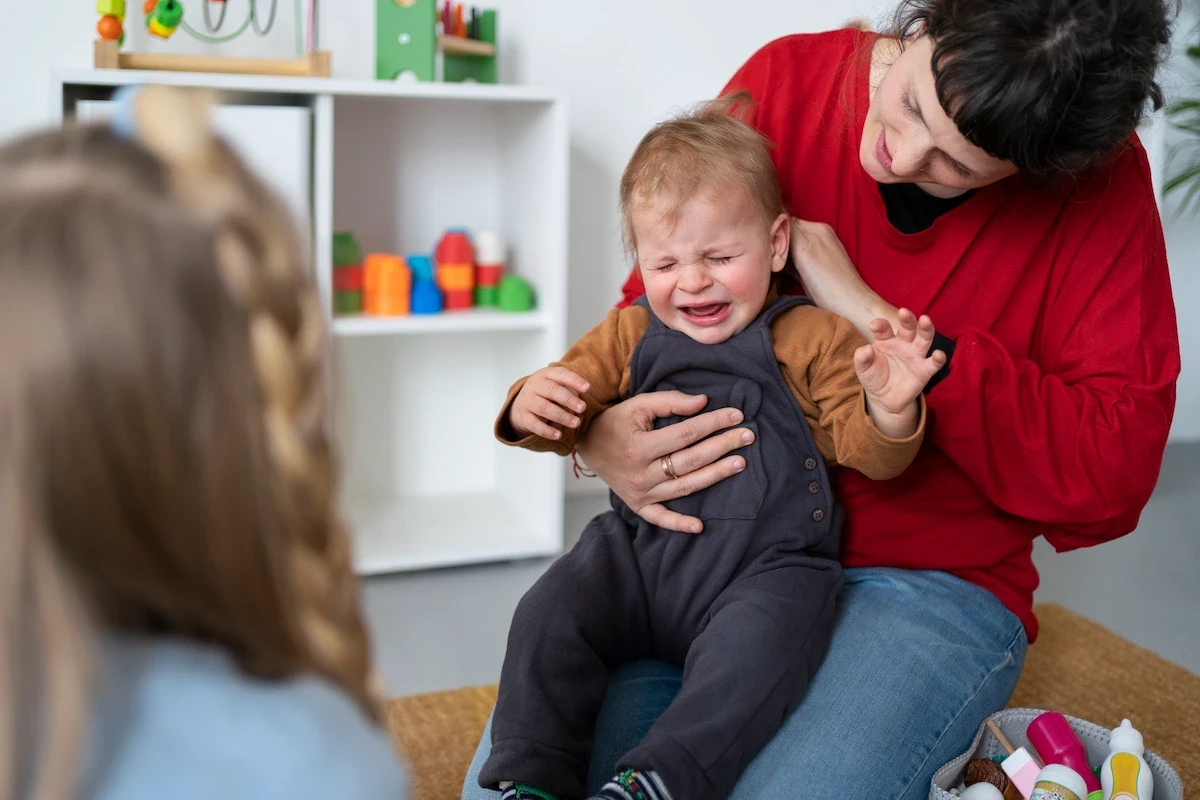
A tantrum is an emotional outburst that occurs when a child feels overwhelmed and lacks the skills to regulate those feelings. Crying, yelling, throwing objects, or collapsing on the floor are not calculated actions. They are signals that a child’s emotional system is overloaded.
Neurologically, young children have not yet developed full self-regulation. The part of the brain responsible for reasoning, impulse control, and emotional regulation is still under construction. When stress levels rise, logic shuts down and emotions take over. This is why reasoning with a child in the middle of a tantrum rarely works.
Common triggers include hunger, fatigue, overstimulation, transitions, frustration, or feeling unheard. Public settings can intensify these triggers, as noise, crowds, and unfamiliar environments place additional strain on a child’s already limited coping capacity.
Read Also: Sharpening A Child's Intelligence: Benefits of Sensory Play for the Little Ones
Responding to Tantrums in Public: What Helps and What Doesn’t
When a tantrum happens in public, parents often feel pressure to stop it immediately. However, the goal is not to end the tantrum quickly, but to help the child feel safe and regulated. The following tips offer simple, supportive ways parents can respond when emotions run high in public spaces.
Stay Calm and Grounded
Children mirror adult emotions. A calm parent provides emotional safety, even when the child cannot calm themselves. Taking slow breaths, lowering your voice, and maintaining a steady presence helps de-escalate the situation.
Acknowledge Feelings Without Giving In
Validating emotions does not mean approving behavior. Simple phrases such as, “I see you’re upset,” or “This is really hard for you,” help children feel understood while still maintaining boundaries.
Reduce Stimulation
If possible, move to a quieter space. Fewer sights and sounds help the nervous system settle. Even turning your body slightly away from crowds can make a difference.
Avoid Reasoning or Lecturing
During a tantrum, children are not in a state to process explanations. Save teaching and discussion for after the child has calmed down.
Set Clear, Gentle Boundaries
Consistency matters. Calmly reinforcing limits, without threats or shouting, teaches children that emotions are allowed, but certain behaviors are not.
Helping Children Learn and Recover After the Tantrum
Once the child has calmed down, the post-tantrum moment becomes an opportunity for growth.
Reconnect emotionally before correcting behavior. Physical comfort, eye contact, or quiet presence helps restore a sense of security. When the child is ready, reflect gently on what happened. Naming emotions builds emotional literacy and helps children learn better ways to express themselves next time.
Rather than focusing on embarrassment or consequences alone, guide children toward problem-solving. This approach teaches resilience, accountability, and emotional awareness over time.
Responding with Love, Grace, and Discipline
Parenting through tantrums offers daily opportunities to live out faith in action. How parents respond in these moments can shape a child’s emotional and spiritual growth. Try to consider the following principles when disciplining your child:
Patience and Unconditional Love
Scripture reminds us that “Love is patient, love is kind” (1 Corinthians 13:4). Responding to tantrums with patience reflects Christ’s love, which is steady, compassionate, and unshaken by external circumstances. When children feel loved even in their hardest moments, trust and emotional security grow.
Grace and Loving Discipline
Grace does not remove boundaries. While understanding a child’s limited capacity, parents are still called to guide and correct. Proverbs 29:15 emphasizes that loving discipline provides wisdom and direction. Discipline rooted in love teaches children self-control, respect, and responsibility without shame.
Balancing grace and discipline helps children learn that mistakes do not define them, but choices still matter.
Tantrums as Teachable Moments, Not Parenting Failures
Tantrums can feel deeply personal, especially in public. Yet a child’s outburst is not a reflection of a parent’s worth or competence. It is a moment in a long journey of growth, both for the child and the parent.
When parents approach tantrums as teachable moments, they model empathy, emotional regulation, and Christ-like patience. These lessons extend far beyond childhood, shaping how children handle conflict, stress, and relationships in the future.
Character formation and emotional development at Sekolah Pelita Harapan are nurtured alongside academic learning. This holistic approach supports families in raising children who are not only knowledgeable, but emotionally resilient, compassionate, and grounded in faith.
Choosing Perspective Over Pressure
Tantrums are not acts of defiance. They are invitations to teach, connect, and guide. By responding with patience, wisdom, and love, parents help children learn how to manage big emotions in healthy ways.
In the midst of public stares and internal doubt, parents are encouraged to remember this truth: your child’s behavior does not define your identity or your success as a parent. Each calm, compassionate response is a step toward raising children who reflect grace, self-control, and love.
Parenting through emotional moments is not meant to be done alone. Parents at Sekolah Pelita Harapan are supported through a nurturing community and parenting programs that encourage shared learning, reflection, and encouragement. Walking alongside other families and educators helps parents gain perspective, practical insights, and reassurance that challenges like tantrums are part of a shared journey, one that is easier when faced together.

Share this blog post

Established in 1993, Sekolah Pelita Harapan (SPH) has become a trusted International Christian School in Jakarta providing Christian education for Indonesian and expatriate families. As a dedicated partner in education, SPH seeks to empower families with personalized programs and resources, fostering academic excellence, nurturing faith, building character, and facilitating their children's personal growth.