

5 Reasons Why Nature Play in Early Childhood Is Important

Building forts from sticks. Collecting leaves and pebbles. Watching ants carry food across the ground. For many parents, these are the simple childhood moments they still remember today.
But when was the last time your child had a similar experience?
Today, childhood often looks very different. Many children are growing up surrounded by screens, with tablets, phones, and digital entertainment becoming a bigger part of their daily lives. As a result, simple moments of exploring the outdoors are becoming harder to find.
This growing disconnect between children and nature has become a topic of concern among researchers and educators. When children have fewer opportunities to experience the outdoors, they may miss valuable moments for exploration, creativity, and hands-on learning.
For young children, especially during the early childhood years from birth to around age 8, these experiences play an important role in how they learn and understand the world around them.
A simple walk outside can become a chance to discover something new, ask questions, and build a deeper connection with nature. This is why nature play in early childhood can have such a meaningful impact. Here are 5 reasons why it matters:
Nature Is a Child's First Classroom
What happens when a child finds a fallen branch in the middle of a garden?
To an adult, it may look like an ordinary stick. But to a child, it can become a building tool, a creative idea, or the beginning of a new question.
This is the beauty of nature play in early childhood. The outdoors provides endless opportunities for children to explore, create, and learn through their own experiences.
Young children do not only learn by listening. They learn by touching, observing, experimenting, and trying things for themselves. Nature gives them the freedom to investigate how things work and discover answers through exploration.
A changing environment, from different textures of leaves to the movement of insects and changes in weather, encourages children to stay curious and engaged.
Nature is not just a place to play. It is a meaningful learning environment where children can develop knowledge, creativity, and a deeper connection with the world around them.
Encouraging Lifelong Learning Through Exploration
Have you ever noticed how many questions children ask when they are outside?
"Why is this leaf a different shape?"
"Where did this bug come from?"
"Why did this stick fall?"These simple moments of curiosity are actually part of how children learn. Nature play gives children the freedom to explore, experiment, and find answers through their own experiences.
Imagine your child trying to build a small bridge using sticks or stones. There is no step-by-step instruction telling them what to do. They have to figure out what works, make changes, and try again when their idea does not work the first time.
Through these everyday discoveries, children naturally develop skills such as:
Problem-solving: finding solutions when challenges appear
Creativity: using imagination to create and explore new ideas
Critical thinking: asking questions and understanding how things work
Decision-making: making choices and learning from the results
Flexible thinking: adapting when things do not go as planned
Instead of simply receiving information, children become active participants in their own learning. They build confidence not only in what they know, but also in their ability to explore and find answers.
Physical Growth Through Exploration
Think about the way children naturally play outside. They run toward interesting things, climb anything they can reach, collect objects they find, and turn simple surroundings into an adventure.
These movements are more than just moments of fun. They are helping children build strength, coordination, and confidence.
Nature play in early childhood encourages children to move their bodies in different ways. Running, jumping, climbing, balancing, digging, and carrying objects help strengthen gross motor skills, while activities like picking up small stones, collecting leaves, or planting seeds support fine motor development.
Unlike many indoor environments, nature is full of changing challenges. A small hill, an uneven path, or a fallen branch encourages children to adjust their movements, improve coordination, and become more aware of their bodies.
Outdoor play also engages children's senses. They feel different textures, hear natural sounds, smell plants and soil, and observe changes in weather and light.
Through these experiences, children do not only become physically stronger. They also build confidence as they learn what their bodies can do.
Nature Helps Children Build Resilience
Have you ever watched a child try something difficult and refuse to give up?
Maybe they are trying to climb a small hill, balance on a fallen log, or build something that keeps falling apart. These moments may look simple, but they are teaching children an important lesson: challenges are part of learning.
Nature play in early childhood gives children opportunities to face small challenges at their own pace. Unlike activities with a fixed answer or immediate adult guidance, outdoor environments encourage children to try, adjust, and try again.
When something does not work the first time, children learn to be patient and find a different approach. They begin to understand that mistakes are not failures, but opportunities to learn and improve.
Through these experiences, children develop resilience, perseverance, and confidence in their ability to overcome challenges.
These qualities are valuable not only during outdoor play but also in the classroom, relationships, and everyday life.
Discovering God in Wonder of Nature
Have you ever noticed how excited children become when they discover something new outside?
A child may stop to look at a colorful butterfly, carefully collect an interesting leaf, or spend several minutes watching a tiny insect move across the ground. To adults, these moments may seem small, but to children, they are opportunities to wonder, explore, and discover glimpses of God's handiwork and providence.
More than a place to explore, nature is often described as God’s “second book”. Both scripture and creation reveal who God is, each in its own way.
Romans 1:20 shows us “For since the creation of the world God’s invisible qualities—his eternal power and divine nature—have been clearly seen, being understood from what has been made, so that people are without excuse.”
This verse reminds us that nature is not just something to admire, but can also help us see God’s greatness. As children explore the natural world, they encounter God's wisdom, beauty, creativity, and faithfulness, while Scripture helps them rightly understand the Creator they see reflected in His creation.
A simple walk outdoors can quickly turn into a moment of curiosity, as children begin asking questions about the things they see:
"Who made this?"
"Why is it designed this way?"
"How does everything work together?"
This connection also can be seen in Job 12:7–9:
"But ask the animals, and they will teach you, or the birds in the sky, and they will tell you; or speak to the earth, and it will teach you, or let the fish in the sea inform you. Which of all these does not know that the hand of the Lord has done this?" — Job 12:7-9
Through these experiences, children begin to see that they are part of a bigger world, learning to appreciate and live alongside the plants, animals, and other living things God has created.
5 Simple Ways to Encourage Nature Play at Home
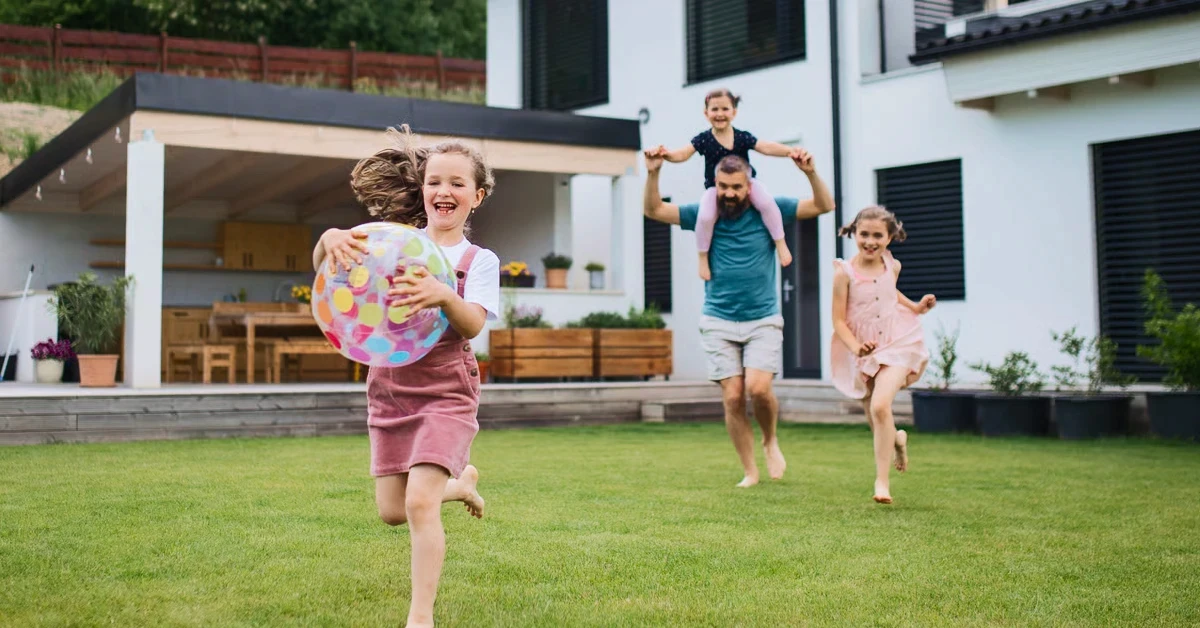
You do not need a large backyard, expensive equipment, or a special outdoor program to encourage nature play in early childhood at home.
Some of the most meaningful moments can happen through simple experiences. A walk outside, collecting interesting objects, or observing small changes in nature can help children slow down, explore, and stay curious about the world around them.
Here are some simple ways parents can begin:
Backyard Exploration: A small outdoor space can become a place of discovery. Encourage your child to observe insects, plants, rocks, or clouds, and ask questions about what they notice.
Nature Walks: A walk around the neighborhood or a nearby park can become an opportunity to explore. Encourage children to notice different plants, sounds, weather changes, or signs of animals.
Collecting Nature Treasures: Children often find joy in collecting leaves, flowers, stones, or seeds. These simple treasures can inspire conversations, creative activities, and new discoveries.
Gardening Together: Planting flowers, herbs, or vegetables helps children understand growth, patience, and responsibility. For Christian families, it can also become a meaningful way to talk about God's provision.
Learning to Care for God's Creation: Reflected in Genesis 2:15, "The LORD God took the man and put him in the Garden of Eden to work it and take care of it." Parents can remind children that even small actions, like caring for plants, respecting living things, are meaningful ways to appreciate God's creation.
As children spend more time in nature, they begin to understand why it is worth protecting. Simple actions like caring for plants, respecting living things, and keeping outdoor spaces clean can help children develop gratitude and a sense of responsibility.
Learning Beyond the Classroom at SPH
Giving children meaningful opportunities to explore the natural world is not always easy. With busy schedules, academic responsibilities, and the demands of everyday life, many families need a supportive environment where children can continue to discover and learn wherever they are.
As an international school in Indonesia, SPH believes learning is not only about what children remember from lessons, but also about the curiosity they develop, the confidence they build, and the connection they form with God’s creation. Through outdoor learning experiences and nature-rich environments, students are given opportunities to discover God’s creation firsthand.
“Education is not preparation for life; education is life itself.” — John Dewey
Some of the most valuable learning moments happen when children are encouraged to explore, ask questions, and engage with the world around them.

Share this blog post

Established in 1993, Sekolah Pelita Harapan (SPH) has become a trusted International Christian School in Jakarta providing Christian education for Indonesian and expatriate families. As a dedicated partner in education, SPH seeks to empower families with personalized programs and resources, fostering academic excellence, nurturing faith, building character, and facilitating their children's personal growth.