
Understanding Inclusive Education: Why Every Child Deserves Equal Opportunity
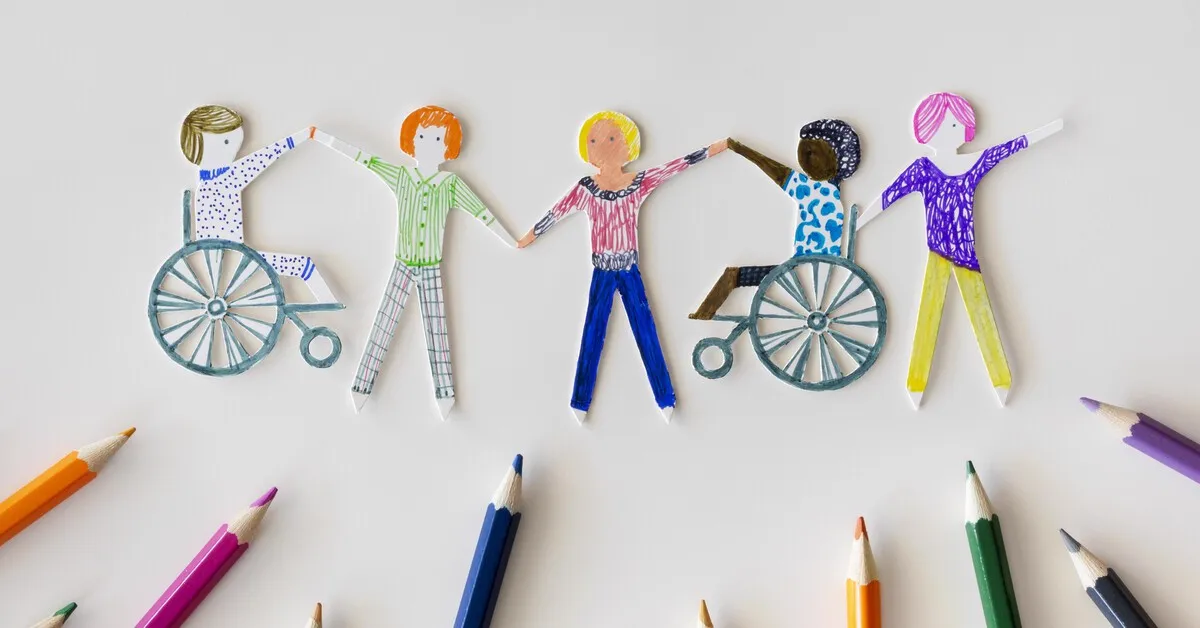
Inclusive education recognizes and embraces the truth that every child is unique and comes with their strengths, challenges, and potential.
Regardless of their differences, it is important for every child to have equal access to meaningful learning experiences. It’s not just a philosophy; it’s a commitment to fairness, dignity, and opportunity for all.
In Indonesia and around the world, inclusive education is gaining greater recognition as an essential approach for building compassionate and equitable communities. Let’s explore what inclusive education means, why it matters, and how parents and schools can work together to support every child’s right to learn.
What Is Inclusive Education?
Inclusive education is an approach that welcomes and supports all students, including those with disabilities or learning differences, into mainstream classrooms. Rather than separating students based on their needs, inclusive education provides individualized support within a shared learning environment. It’s about ensuring everyone belongs and is empowered to thrive.
At its core, inclusive education is built on the belief that every child has value. As Christians, we affirm this truth through Scripture: “So God created mankind in his own image...” (Genesis 1:27). Each child carries inherent dignity and worth, and our educational systems should reflect that.
Why Inclusive Education Matters
Inclusive education offers transformative benefits not just for students with learning challenges but for the entire school community.
For children with disabilities or learning differences, inclusive classrooms offer access to the same curriculum as their peers. Rather than being placed in separate programs, they are given the chance to learn alongside classmates, engage with meaningful content, and receive the tailored support they need to reach their full potential. Inclusion also nurtures social development, helping children form friendships, strengthen communication skills, and build a sense of belonging within their learning environment.
At the same time, typically developing students also benefit. Being part of an inclusive classroom teaches children to understand and embrace differences. They learn empathy as they witness others overcoming challenges, develop patience as they collaborate with peers who need more support, and grow into young leaders by modeling kindness, cooperation, and advocacy. These experiences build character and emotional intelligence, skills that serve them far beyond the classroom.
The impact of inclusive education also extends to society. When schools reflect the diversity of the world around them, they help cultivate a culture of equity and acceptance. Children grow up recognizing that everyone, regardless of ability, background, or behavior, deserves respect and opportunity. This mindset lays the groundwork for a more just and compassionate society. As followers of Christ, we are called to “love your neighbor as yourself” (Luke 10:27) and to care for the marginalized without favoritism (James 2:1–9). Inclusive education is one way we live out this call to love.
Key Principles of Inclusive Education
Acceptance and Respect for Diversity
One of the foundational ideas of inclusive education is acceptance and respect for diversity. Children learn best when they feel safe, valued, and seen for who they are. This includes acknowledging that every learner is different, and that these differences are not obstacles, but opportunities for deeper learning and connection. Rather than trying to make every student fit into a single mold, inclusive education celebrates individuality and encourages collaboration.
Individualized Support and Accommodation
Another key aspect is providing individualized support and accommodation. Inclusion doesn’t mean giving every student the same instruction in the same way. It means recognizing each child’s unique learning style and providing the tools they need to thrive. This might involve modified assignments, extra time, sensory-friendly classroom setups, or consistent one-on-one support. The goal is to ensure that all students can meaningfully participate in the learning experience.
Collaboration
Collaboration is also essential. Teachers, parents, and specialists must work together to understand student needs, set shared goals, and provide consistent encouragement. When communication flows freely and everyone is working toward the same vision, students are more likely to feel supported and confident in their abilities.
Creating Accessible Learning Environments
An inclusive learning environment goes beyond physical accessibility; it includes the structure, culture, and rhythm of the classroom. Teachers can support diverse learners by creating predictable routines, offering visual aids and hands-on materials, designing flexible seating options, and embedding moments for calm and movement throughout the day. More importantly, the classroom culture must foster kindness, patience, and peer-to-peer support. Inclusion isn’t just about access; it’s about belonging.
Connecting with Parents’ Hopes and Values
For many parents, raising children who are not only academically successful but also emotionally intelligent and socially aware is a key goal. Inclusive education nurtures these values. When students grow up learning alongside peers with different abilities, they naturally develop compassion, resilience, and open-mindedness. These experiences prepare them for life in a diverse world, whether in future workplaces, communities, or families.
Inclusive education also speaks directly to the hearts of parents who have children with learning differences. It provides reassurance that their child is not an outsider, but a welcomed member of the school community—valued, supported, and seen for who they are.
A Fundamental Right and a Shared Responsibility
Inclusive education is not a luxury or an extra service; it’s a right. Every child deserves the opportunity to learn in an environment that respects their dignity and meets their needs. As a society, we share the responsibility of building systems that reflect this belief. By embracing inclusive practices, we move toward a future where all children, regardless of their challenges, can learn, grow, and contribute with confidence.
How Sekolah Pelita Harapan Supports Inclusive Learning
At Sekolah Pelita Harapan (SPH), we are committed to creating a learning environment that values every student's unique potential. While our capacity for inclusive education is limited to certain criteria, we offer targeted support through our Learning Support team for students with specific learning needs. This includes those with ADHD, dyslexia, mild behavioral concerns, or other learning differences that meet the standards we have established through careful assessment.
Our educators and specialists work closely with families to provide individualized plans that help students engage with the curriculum, build confidence, and grow academically, socially, and spiritually. While our program cannot accommodate all forms of special needs, we are committed to nurturing the whole child within our Christ-centered, holistic education model.
Building a Future Where Everyone Belongs
Inclusion begins with the belief that every child matters. It continues with action by creating systems, spaces, and communities that reflect that belief. Inclusive education helps shape a generation of students who see the value in every person, who lead with empathy, and who stand for justice and grace.
By choosing an inclusive approach, we educate while also building a future where everyone belongs.
“The King will reply, ‘Truly I tell you, whatever you did for one of the least of these... you did for me.’” – Matthew 25:40
If you’re looking for a school that sees the potential in every child, discover how Sekolah Pelita Harapan is nurturing inclusive learning environments through faith-based education and personalized support.

Share this blog post

Established in 1993, Sekolah Pelita Harapan (SPH) has become a trusted International Christian School in Jakarta providing Christian education for Indonesian and expatriate families. As a dedicated partner in education, SPH seeks to empower families with personalized programs and resources, fostering academic excellence, nurturing faith, building character, and facilitating their children's personal growth.