

4 Benefits of Curiosity in Learning for Children’s Growth
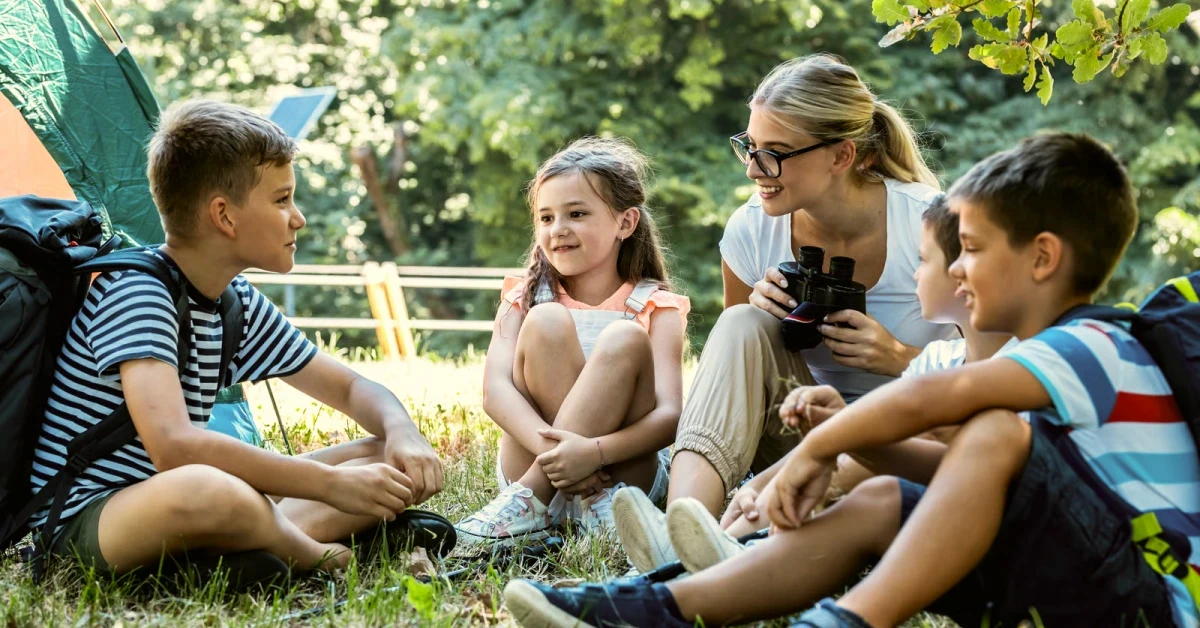
“Why is the sky blue?” or “How do birds fly?” These simple questions are where true learning begins.
For years, classroom success has often been measured by how well students can memorize facts, dates, and formulas for an upcoming test. But real understanding goes far beyond simple recitation. It happens when children feel genuinely eager to ask questions.
They want to test ideas and explore how the world works. When we focus on curiosity in learning, studying stops feeling like a chore. It becomes an active journey of discovery. Read on to see how this approach becomes the real key to your child’s growth.
Boosting Memory and Motivation to Learning
When children are naturally curious about a topic, learning changes completely. They no longer view schoolwork as a routine chore done just to pass an exam. Instead, they dive into the material because they genuinely want to understand it.
Recognizing the value of curiosity in learning taps into internal motivation. It gives children a sense of ownership over their education.
They begin to ask deeper questions “Why does this happen?” or “How does this actually work?” and explore concepts far beyond the pages of a textbook.
Curiosity also changes how the brain retains information. When a child actively searches for an answer, their brain is ready to learn, new concepts stick far better than mechanical repetition ever allows. By prioritizing curiosity in learning, children build stronger long-term memory while forming a positive connection to their daily studies.
Little Questions Can Lead to Big Discoveries
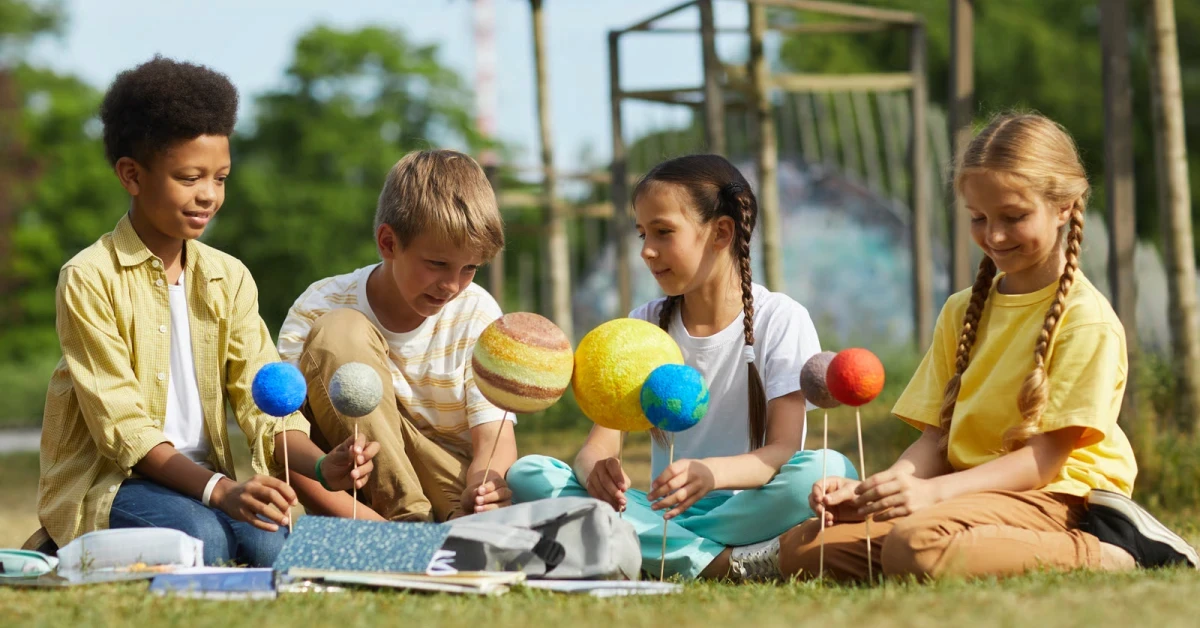
Children observe the world with endless curiosity. They notice the tiny details adults often overlook. A simple walk to the park brings a steady stream of questions. “Why do leaves change color?” or “How do ants build tunnels?” or even “Why does the moon follow the car?”
These simple inquiries are far more than charming chatter. They represent an active mind trying to make sense of the world.
When parents and teachers take these questions seriously, something powerful happens. Exploring the answers together shows children that their thoughts have value. This builds confidence and encourages them to think critically rather than accepting facts at face value.
Over time, fostering curiosity in learning turns minor observations into big discoveries. A conversation about a windowsill plant can expand into a lesson on plant life, weather, and environmental science. Give kids the space to follow where their questions lead. You will help them connect textbook lessons to real-life experiences.
Helping Children Feel Confident to Explore and Try New Things
Nurturing curiosity in learning gives children a safe space to step outside their comfort zones. When exploration replaces the fear of being wrong, children approach unfamiliar tasks with eagerness rather than hesitation.
Reframing Mistakes as Discoveries: Curious children naturally view incorrect answers as interesting clues rather than disappointing failures. This removes the pressure of perfectionism. Mistakes simply point the way to the next attempt.
Encouraging Courage in Unfamiliar Situations: Trying a new instrument, tackling a hard puzzle, or joining a new sport takes courage. Curiosity gives children the confidence to try things they have never done before. Unfamiliar tasks become exciting opportunities to learn.
Building Authentic Resilience: Consistent exploration teaches children that abilities grow through effort and practice. Over time, this hands-on experience builds a strong growth mindset. It gives them steady self-assurance to face future challenges.
When children feel empowered to investigate without fear of judgment, their confidence grows. That willingness to try new things carries them far beyond the classroom.
How Curiosity Helps Children Become Lifelong Learners
Information updates constantly in our fast-moving world. Because of this, specific memorized facts can quickly become outdated. What truly remains valuable throughout a person's life is the capacity and desire to learn independently.
Focusing on curiosity in learning transforms education into a continuous, self-directed journey. This is why an inquiry-based learning approach is so powerful. It places a child's natural questions right at the heart of their education.
Through inquiry-based learning, students do not simply receive answers passively from a textbook. Instead, they actively investigate real-world topics, test their ideas, and draw their own conclusions. This active process teaches children how to think rather than just what to think.
As a result, they become proactive learners who know how to ask thoughtful questions, research solutions, and adapt to new situations.
When learning is built on genuine wonder, it does not stop at graduation. It continues long after the school bell rings. Curious individuals continue to read, acquire new skills, and remain open to fresh perspectives throughout every stage of life.
A Child’s Curiosity as a Reflection of God’s Creativity
A child’s natural sense of wonder is not an accident. It is a direct reflection of God’s own creative nature. God designed an extraordinary universe filled with detail, beauty, and order. He placed an innate desire within children to explore and understand it. As the Bible says in Psalm 111:2, "Great are the works of the Lord; they are pondered by all who delight in them."
When children ask questions and investigate the world, they fulfill a God-given instinct to delight in His craftsmanship.
Viewing curiosity in learning through a lens of faith transforms how we approach education. Learning is no longer just about preparing for exams or future careers. It becomes a way to discover God's fingerprints across every subject, from mathematics and literature to science.
When we encourage a child's natural curiosity, we help them honor the Creator by thoughtfully exploring the world He has made.
Small Steps Parents Can Take to Keep Curiosity Alive
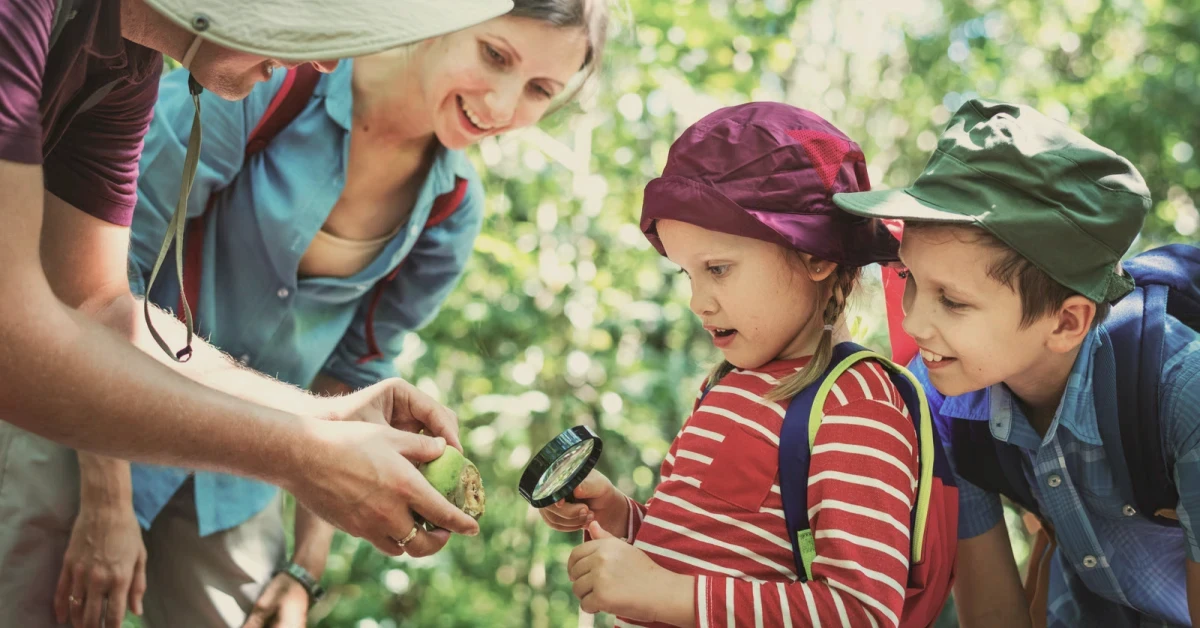
Keeping curiosity in learning alive at home does not require elaborate plans or knowing every answer. Small, everyday habits make the biggest difference.
When your child asks a tough question, saying "let's find out together" shows them that learning is a shared journey rather than a test with instant answers. Swapping out routine questions like "how was school?" for engaging ones like "what surprised you today?" gives them room to share what actually caught their interest.
Giving children unstructured time to play, build, and explore on their own lets their imagination take over, creating a home where asking questions always feels natural.
Supporting Your Child’s Learning and Curiosity at SPH
Helping a child stay curious and eager to learn in a world so focused on test scores isn't something you have to figure out by yourself.
We know that guiding children to become confident, thoughtful learners takes a true partnership between home and school. As an international school in Indonesia, our goal at SPH is to walk alongside parents, creating a warm community where your child’s academic, emotional, and spiritual growth go hand in hand.
Through our inquiry-led learning approach, parent engagement programs, and supportive community, we aim to equip families with meaningful ways to keep curiosity thriving both inside and outside the classroom.
Because true education extends far beyond memorizing facts for fleeting exams. It is about nurturing curious minds and grounded hearts, preparing children to explore God’s world with wisdom, joy, and purpose. We invite you discover more about our learning approach by visiting our campus, exploring our website, or connecting with our team to see how we can partner with your family.

Share this blog post

Established in 1993, Sekolah Pelita Harapan (SPH) has become a trusted International Christian School in Jakarta providing Christian education for Indonesian and expatriate families. As a dedicated partner in education, SPH seeks to empower families with personalized programs and resources, fostering academic excellence, nurturing faith, building character, and facilitating their children's personal growth.