

Staying Alert in the Digital World: 5 Characteristics of Cyberbullying & How to Protect Your Child
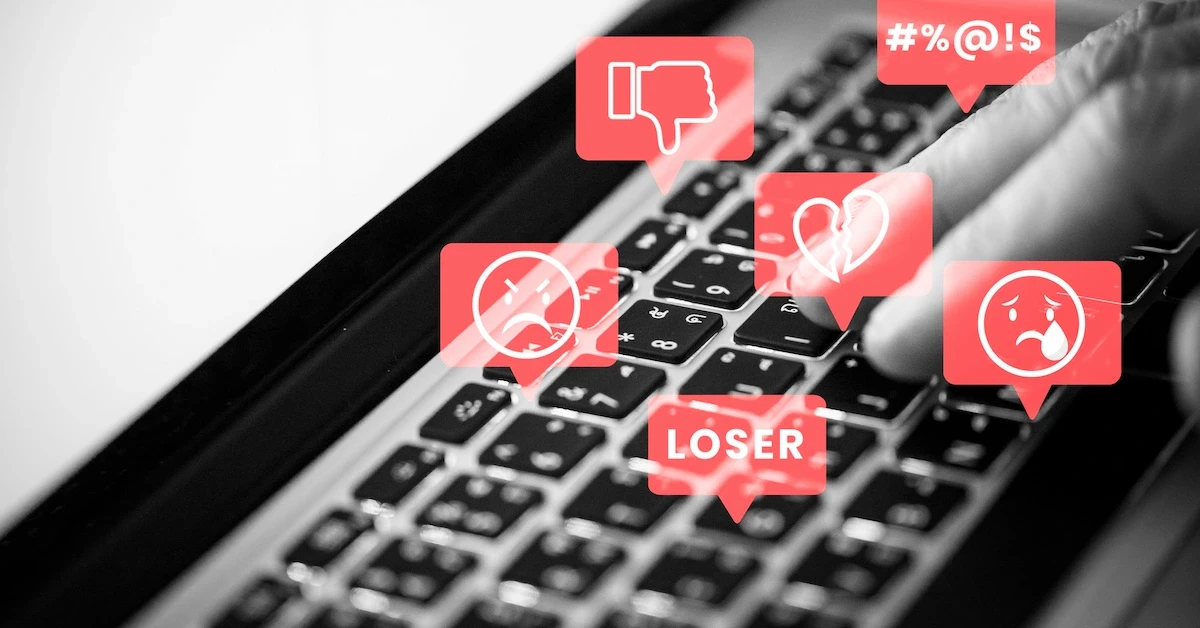
Understanding the characteristics of cyberbullying has become essential for parents raising children in a world where most people spend the greater part of their day online.
Nowadays, social interactions no longer stop at the school gates. Group chats, social media platforms, gaming communities, and messaging apps have created a digital playground where children build friendships, express themselves, and learn from others. However, these same spaces can also expose them to harmful behavior.
What is Cyberbullying?
Cyberbullying is the use of digital technology to harass, threaten, exclude, or humiliate others. Because it can happen anytime and spread quickly, its impact is often deeply personal and difficult for children to escape. Recognizing the early signs allows parents to step in before the situation escalates and helps children feel supported rather than alone.
5 Characteristics of Cyberbullying Parents Should Recognize
Cyberbullying is not always visible. Many children avoid talking about it because they feel embarrassed, fear losing access to their devices, or worry the situation may worsen. Paying attention to behavioral changes can help parents identify when something is wrong.
Increased Sensitivity Around Screens
One of the earliest indicators is a noticeable emotional reaction to digital devices. A child may seem anxious when notifications appear, quickly turn off their screen when someone walks by, or become upset after spending time online.
You might also observe sudden mood shifts after they check their phone or laptop. While occasional frustration is normal, repeated distress connected to screen use deserves closer attention.
Secretive Online Behavior
Privacy is a natural part of growing independence, but excessive secrecy can signal a deeper issue. Children experiencing cyberbullying may change passwords frequently, clear browsing histories, or avoid using devices in shared family spaces.
Some may stop discussing their online activities altogether. Rather than immediately restricting access, parents can approach the situation calmly and create a safe environment where children feel comfortable sharing what they are experiencing.
Social Media Fatigue
A child who once enjoyed connecting online may suddenly withdraw from digital platforms. They might delete accounts, avoid posting, or show little interest in conversations they previously valued.
This withdrawal is sometimes a protective response. When online spaces begin to feel unsafe, stepping back can seem like the only way to regain control. Parents should view this shift as a prompt for gentle conversation rather than quick assumptions.
Digital Exclusion
Cyberbullying does not always involve direct insults. Being intentionally excluded from group chats, online games, or social circles can be equally painful.
Children may notice classmates discussing events they were never invited to or discover conversations where they were deliberately left out. Over time, this exclusion can affect their confidence and sense of belonging.
If your child begins expressing feelings of isolation tied to online interactions, it is worth exploring further.
Emotional or Academic Changes
The emotional toll of cyberbullying often extends beyond the screen. Children may appear more withdrawn, irritable, or unusually quiet. Some experience changes in sleep patterns or show reluctance to attend school.
Academic performance can also decline as stress interferes with focus and motivation. These shifts do not always point directly to cyberbullying, but when combined with other signs, they should not be overlooked.
How Parents Can Protect Their Child from Cyberbullying
Parents do not need to be technology experts to guide their children effectively. What matters most is building trust and establishing thoughtful boundaries.
Practice Digital Stewardship
Teach children that their online presence reflects their character. The way they communicate, respond to others, and handle conflict in digital spaces should align with the values you encourage at home.
Help them understand that integrity applies both offline and online. Encouraging empathy and responsible communication reduces the likelihood that they will participate in harmful behavior and prepares them to respond wisely if they encounter it.
Use Technical Safeguards
Practical tools can strengthen your child’s digital safety. Review privacy settings together so they understand who can view their content and contact them. Just as importantly, make sure they know how to use platform features such as blocking and reporting inappropriate behavior.
Position these tools not as punishments, but as forms of protection. When children feel equipped rather than controlled, they are more likely to adopt safe habits independently.
Keep Communication Open
Regular, low-pressure conversations about digital life can make a significant difference. Ask about the platforms they enjoy, the friendships they are forming, and any challenges they may be facing.
When children know they will be met with calm support instead of immediate restrictions, they are far more likely to speak up when something feels wrong.
Connecting the Characteristics of Cyberbullying to Christian Faith
Faith provides a steady framework for navigating complex social environments, including digital ones. Scripture reminds believers to treat others with dignity and compassion. In Luke 6:31, Jesus teaches, “Do to others as you would have them do to you.” This principle encourages children to engage online with kindness and respect.
It is equally important to remind them of their inherent worth. Ephesians 2:10 affirms that we are God’s workmanship, created with purpose. When children understand their identity is rooted in Christ rather than in peer approval, negative online experiences carry less power over their self-esteem.
These conversations help children develop discernment, enabling them to respond thoughtfully rather than react impulsively.
SPH’s Commitment to Guiding Students in the Digital Age
Technology is integrated into learning with intentional care at Sekolah Pelita Harapan (SPH). Beyond teaching technical skills, SPH equips students with the moral compass needed to navigate digital spaces responsibly.
The school emphasizes character formation alongside academic growth, adapting our holistic learning approach to the digital age by infusing digital awareness and literacy into every subject. By integrating these essential research skills across the curriculum, we encourage students to act with integrity, respect, and critical discernment, both in person and online. Through partnerships with parents, SPH creates a consistent support system that prepares students to navigate the complexities of the modern world with confidence and wisdom.
Recognizing the characteristics of cyberbullying is the first step toward protecting your child. With proactive guidance, faith-centered values, and a strong educational community, children can learn to approach the digital world not with fear, but with wisdom and integrity.

Share this blog post

Established in 1993, Sekolah Pelita Harapan (SPH) has become a trusted International Christian School in Jakarta providing Christian education for Indonesian and expatriate families. As a dedicated partner in education, SPH seeks to empower families with personalized programs and resources, fostering academic excellence, nurturing faith, building character, and facilitating their children's personal growth.