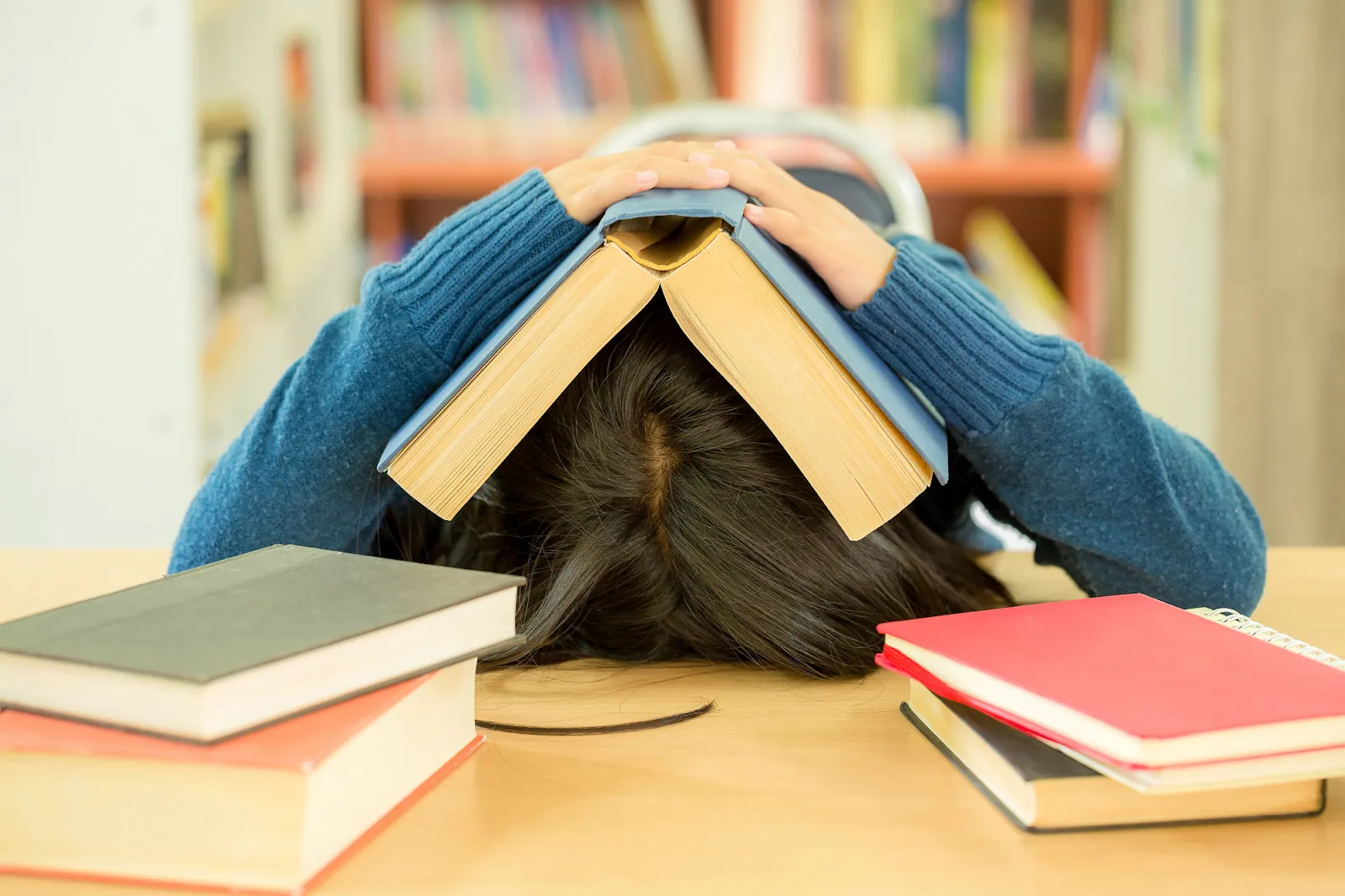

Watch Out! 4 Signs of Bullying in Children That Parents Often Miss
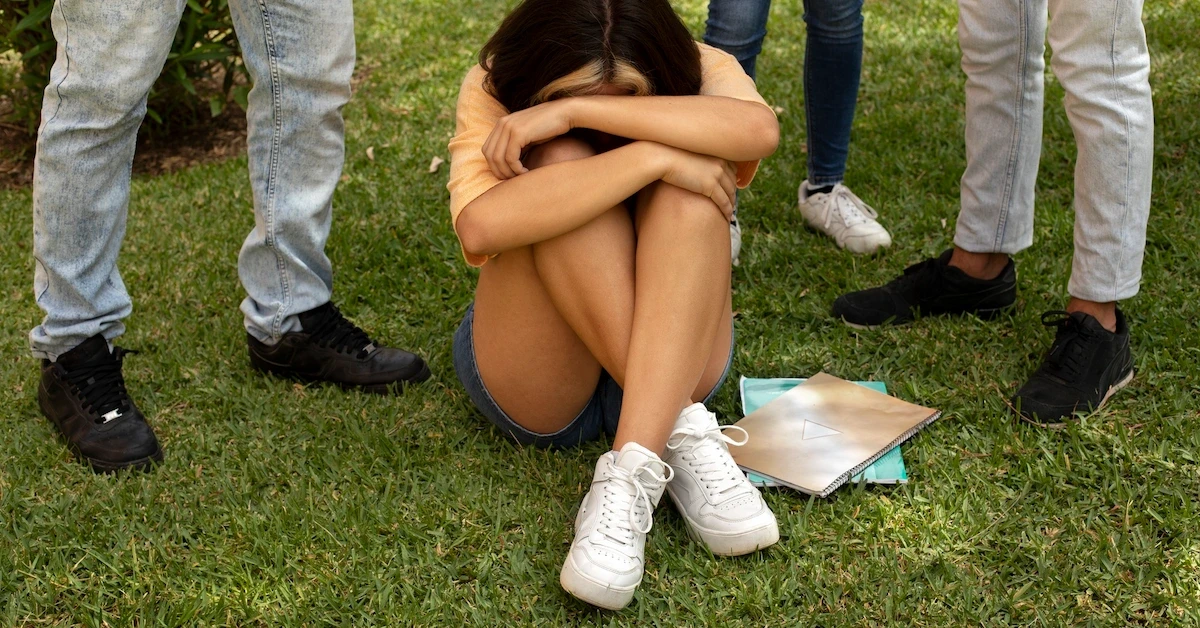
1 in 5 children experience bullying, yet many never speak up—leaving parents unaware until it begins to affect their child’s well-being.
Signs of bullying are often easy to miss because they do not always appear as obvious conflict, but rather through subtle changes in behavior that can be deeply concerning.
If your child suddenly avoids wanting to go to school, becomes quieter than usual, or shows a loss of confidence, it can be a sign that your child is being bullied, even if they never say it directly.
These warning signs can be difficult to notice at first, especially since bullying today can be hidden behind screens or within social circles.
If you pay close attention, you may begin to see patterns that suggest your child is struggling in ways that are not immediately visible.
Understanding these signs early can be the key to protecting your child and helping them feel safe again, so it is important to read further and learn what to watch for.
Not Always Visible, Still Deeply Harmful For The Victims
When many people think of bullying, they imagine physical aggression such as pushing, hitting, or verbal insults in plain sight. While these still exist, bullying today often takes more covert forms. Social manipulation, emotional intimidation, cyberbullying, and persistent exclusion can leave children feeling isolated and powerless without leaving any physical marks.
These experiences create what some describe as a “bruise on the heart.” Left unaddressed, bullying can affect a child’s self-esteem, academic engagement, mental health, and sense of belonging. That is why parents need to look beyond the obvious and pay attention to changes that may signal deeper struggles.
Read Also: Emotional Intelligence in School: Diving into IQ vs. EQ
Warning Signs of Bullying Parents Should Not Ignore
Children do not always have the words (or the courage) to explain what they are experiencing. Instead, bullying often reveals itself through subtle but consistent changes.
Behavioral Shifts
Behavioral shifts are one of the key signs of bullying your child may be experiencing. Children who are being bullied can suddenly become irritable, withdrawn, or show low self esteem at home or at school.
If your child shows repeated mood changes or unusual reactions to normal situations, it can be a warning sign that bullying is affecting them.
Physical Aversion to School or Social Activities
If your child is reluctant to go to school or participate in social activities, it can be a sign of bullying.
Complaints like stomach aches, headaches, or frequent illnesses at home may also indicate your child is being bullied. Recognizing these warning signs early allows parents to talk with their child and provide support before bullying can escalate.
Lost or Damaged Belongings
Frequently lost, broken, or damaged belongings at school or at home can be another sign of bullying.
A child who is being bullied may experience this as intimidation or coercion from peers, rather than simple carelessness. If you notice patterns of missing items or damaged property, it is important to talk to your child and look for other signs of bullying.
Social Withdrawal
Children who withdraw from friends, activities, or family interactions may be experiencing bullying.
Social withdrawal can affect a child’s interest in school or their mental well-being and self esteem. If your child is spending more time alone or avoids conversations about peers, it can be a strong warning sign that bullying is occurring.
Read Also: Ways Christian Schools Support Parenting in the Digital Age
How Parents Can Respond with Care and Wisdom
When bullying is suspected, how parents respond matters just as much as what they do. The goal is not to rush to conclusions, but to protect a child’s emotional safety while seeking clarity.
Create a Safe Harbor at Home
Children need to know that home is a place of safety, not judgment. Invite conversation without pressure. Instead of asking direct questions that may feel confronting, try open-ended ones such as, “How are things going with your friends?” or “Is there anything at school that’s been hard lately?”
Listen more than you speak. Avoid minimizing their feelings or immediately offering solutions. Feeling heard and believed is often the first step toward healing.
Observe and Document
Pay attention to patterns over time. Changes in sleep, appetite, academic performance, or emotional expression can provide helpful context. Writing down observations can also support constructive conversations with educators if needed.
Partner with the School
Schools play a vital role in addressing bullying, but effective intervention often begins quietly. Parents are encouraged to communicate concerns with teachers or school counselors in a calm, collaborative manner. Discreet investigation allows schools to understand the situation without escalating it unnecessarily or placing additional pressure on the child.
Strong school–parent partnerships create a shared commitment to student well-being rather than blame.
Teach Emotional Resilience and Boundaries
While bullying is never a child’s fault, helping children build confidence, assertiveness, and emotional literacy equips them to navigate difficult social situations. Encourage them to identify trusted adults, practice expressing feelings, and understand that seeking help is a strength, not a weakness.
Read Also: How to Develop Media Literacy in Children: Essential Tips
Strategies for Preventing Bullying Before It Starts
Preventing bullying before it starts is much more effective than trying to address it later. By teaching children empathy, communication skills, and positive habits early, parents can help them grow into individuals who respect others’ feelings and interact kindly with peers.
Teach Empathy and Respect
Help your child understand how their actions affect others. Children who can put themselves in someone else’s shoes are less likely to hurt or tease their peers. Parents can model empathy at home by discussing how story characters feel or asking how a friend might react in certain situations.
Promote Positive Conflict Resolution
Teach your child how to resolve disagreements without hurting anyone. Encourage them to use words to express feelings or find win-win solutions when conflicts arise. By practicing peaceful problem-solving, children learn that aggression or teasing is not an acceptable way to get what they want.
Set Clear Rules and Boundaries
Make it clear that bullying is unacceptable and explain the consequences of hurting others. Establish consistent rules at home and regularly discuss the importance of kindness and respect. Children who understand these boundaries are more likely to control their behavior and treat peers appropriately.
Model Positive Behavior
Children learn a lot from what they see at home. Demonstrate polite communication, sharing, and respect for differences in everyday interactions. When parents show positive behavior, children are more likely to mimic it and avoid bullying.
Encourage Team Activities and Cooperation
Involve your child in group activities or collaborative projects that emphasize teamwork and mutual respect. These experiences teach cooperation, sharing, and valuing others. Children who practice working well with peers are less likely to develop bullying behaviors.
Read Also: A Guide for Parents: Stopping Negative Impact of Using Social Media with Basic Rules
A Christian Perspective on Bullying
From a Christian worldview, every child is created in the image of God; Imago Dei. This truth affirms that each child possesses inherent dignity, worth, and value. Bullying, in any form, violates this truth by diminishing another person’s God-given identity.
Helping children understand who they are in Christ strengthens their sense of self beyond peer approval or rejection. When children know they are deeply loved by God, they are better equipped to withstand external pressures and speak up when something is wrong.
Christian education also calls children not only to avoid harm, but to actively reflect Christ’s love. This includes encouraging them to be peacemakers, upstanders rather than bystanders. Teaching empathy, courage, and compassion empowers children to support others, stand against injustice, and foster communities of kindness.
SPH’s Commitment to a Safe and Caring Community
Student well-being is inseparable from academic growth. A safe learning environment is built through intentional character formation, strong relationships, and clear values rooted in faith. Bullying is addressed with both truth and grace, holding students accountable while guiding them toward restoration and growth.
At the core of this commitment is our comprehensive Child Safety Policy, a robust framework designed to ensure the physical, emotional, and spiritual protection of every student.
To maintain the highest global standards of protection, Sekolah Pelita Harapan is a proud member of the Child Safety Protection Network (CSPN) and ChildSafeGuarding. These international partnerships ensure our protocols are continuously audited and aligned with worldwide best practices in student welfare.
We believe that transparency is vital to safety. SPH maintains a clear and accessible Reporting System, allowing students, parents, and staff to raise concerns safely and confidentially. This system ensures that every report is handled with the utmost seriousness and professional oversight.
Sekolah Pelita Harapan partners closely with families to nurture a culture where respect, empathy, and responsibility are lived out daily. Through proactive pastoral care, attentive educators, and a Christ-centered approach, the school remains committed to ensuring that every child feels seen, valued, and protected.
Read Also: Bridging the Gap: Ways to Building Empathy in Students of the Digital Era
Protect Your Child and Give Them a Safe Place to Grow with The Right School
Bullying may be invisible, but its effects can last if left unaddressed. By recognizing the signs, guiding them with care, and partnering with schools, parents can safeguard their child’s emotional, mental, and spiritual well-being.
At Sekolah Pelita Harapan, we provide a Christ-centered, secure learning environment where students feel valued, supported, and parents are involved in their child’s learning journey.
Enrolling your child at SPH means giving them a school that prioritizes safety, character formation, and holistic growth, so they can thrive academically and personally.
Take the first step today and join a community committed to nurturing confident, compassionate, and resilient learners!

Share this blog post

Established in 1993, Sekolah Pelita Harapan (SPH) has become a trusted International Christian School in Jakarta providing Christian education for Indonesian and expatriate families. As a dedicated partner in education, SPH seeks to empower families with personalized programs and resources, fostering academic excellence, nurturing faith, building character, and facilitating their children's personal growth.