
Preschool Education: Why It’s Important and the Proven Benefits for Early Childhood Development
Preschool education is often misunderstood as simply a place where young children stay while their parents work. In reality, high-quality preschool education is also a launchpad into their educational journey.
The early years of life lay the groundwork for how children think, relate, and learn. What happens in these formative seasons shapes patterns that can last for years to come.
During early childhood development, children are especially receptive to guidance, structure, and meaningful experiences. Investing in a strong preschool environment is not about accelerating childhood. It is about providing the right foundation so children can grow with confidence, curiosity, and resilience.
The Long-Term Impact of Preschool Education
Research consistently shows that quality preschool education creates benefits that extend well beyond the early years. The impact is not limited to academic preparation. It influences how children interact with others, approach challenges, and view themselves as learners.
Socialization: Learning the Hidden Curriculum
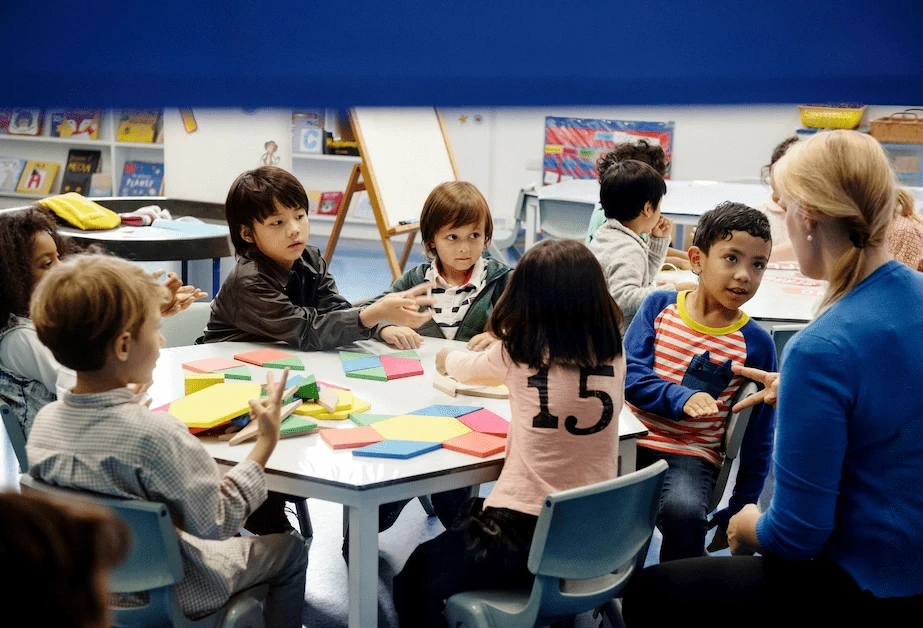
One of the most valuable aspects of preschool education is social learning. In a structured classroom environment, children begin to understand what is often called the “hidden curriculum.” These are the unwritten lessons that shape character and relationships.
In preschool, children learn how to:
Share materials and take turns
Wait patiently
Resolve small conflicts
Express their needs appropriately
Listen to instructions in a group setting
These skills may seem simple, but they form the backbone of healthy social interaction. Learning them early helps children transition smoothly into primary school and beyond.
Academic Readiness: Building Strong Foundations
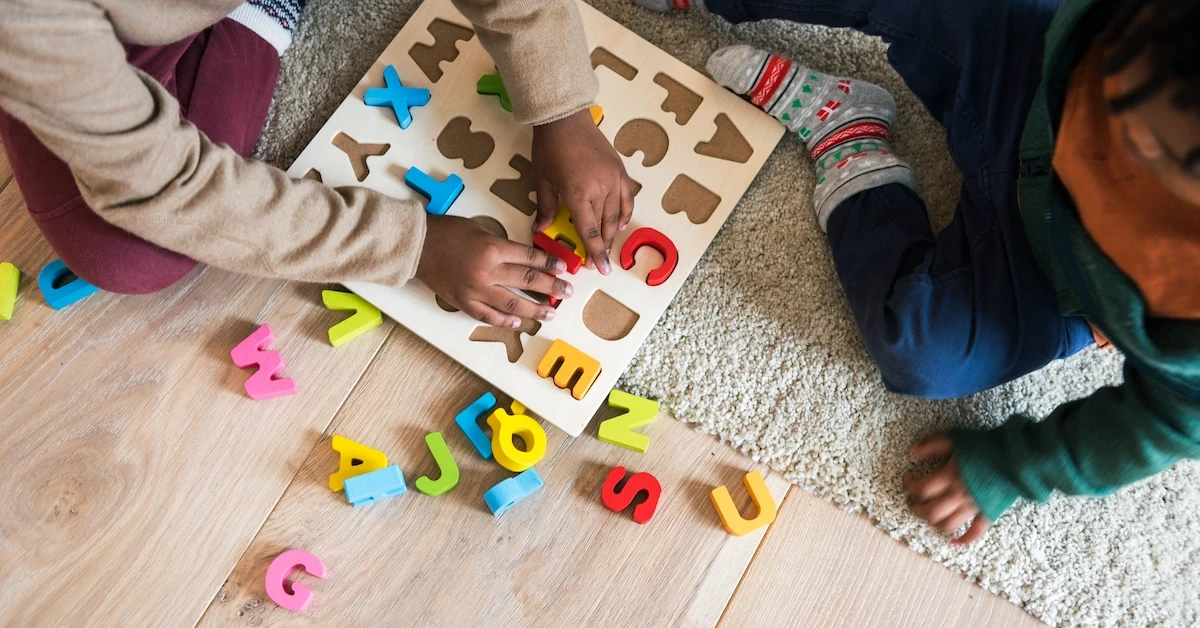
Preschool education also plays a critical role in academic readiness. Through guided activities and intentional teaching, children develop pre-literacy and early numeracy skills.
Pre-literacy skills include recognizing letters, understanding that print carries meaning, and developing vocabulary through storytelling and conversation. Early numeracy involves counting, identifying patterns, sorting objects, and recognizing shapes.
When these foundational skills are introduced in age-appropriate ways, children enter primary school prepared, not pressured. They are familiar with classroom routines and confident in their ability to participate.
Confidence: Growing in a Safe, Structured Environment
A well-designed preschool classroom offers children the opportunity to test boundaries in a safe setting. They experiment with new ideas, attempt unfamiliar tasks, and gradually build independence.
Confidence grows when children experience small successes. Whether it is completing a puzzle, speaking in front of classmates, or trying a new activity, each accomplishment reinforces a sense of capability. Over time, this self-assurance shapes how they approach learning challenges in the future.
Play With Purpose
Preschool education at SPH embraces a “play with purpose” philosophy. Play-based learning is not unstructured or random. It is thoughtfully designed to meet specific developmental goals.
When children engage in imaginative play, they practice language, negotiation, and problem-solving. Building with blocks strengthens spatial awareness and fine motor skills. Outdoor play supports physical coordination and teamwork.
Through guided play, teachers observe, ask meaningful questions, and extend learning naturally. This approach respects the developmental stage of young children while maintaining rigorous educational standards. In this way, play becomes a powerful tool for growth rather than a break from learning.
Why the Environment Matters in the Miracle Years
The first five years of life are often described as the “miracle years” because of the rapid pace of brain development. During this time, the environment in which a child learns has a profound influence.
A warm, supportive atmosphere encourages children to take healthy risks. When they feel emotionally secure, they are more willing to ask questions, try new activities, and recover from mistakes. On the other hand, environments that are overly rigid or emotionally distant can limit curiosity and engagement.
Physical space matters as well. Classrooms that are thoughtfully arranged, safe, and inviting communicate to children that learning is meaningful. The combination of emotional warmth and structured guidance shapes a child’s willingness to explore and grow.
Preschool classrooms at SPH are designed to nurture both safety and discovery. Teachers create spaces where children feel seen, heard, and valued.
A Christian Perspective on Preschool Education
From a Christian perspective, preschool education carries deeper significance. Proverbs 22:6 reminds us to “train up a child in the way he should go.” This verse highlights the responsibility and privilege of guiding children during their earliest years.
We believe education is seen as an act of worship. Teaching children to observe nature, count objects, create artwork, and express ideas is an invitation to engage with God’s world. Every discovery becomes an opportunity to recognize order, creativity, and purpose in creation.
Preschool is where we first stir up the gifts God has placed within each child. Rather than forcing children into a predetermined mold, educators seek to identify and nurture their unique strengths. In doing so, the learning journey reflects both excellence and faith.
Choosing the Right Soil for Your Child’s Growth
Selecting a preschool is one of the most important decisions parents make during early childhood development. It is not simply about convenience or location. It is about choosing the soil in which your child’s roots will grow.
Healthy soil provides stability, nourishment, and room to expand. In the same way, a quality preschool environment fosters intellectual growth, social confidence, and spiritual formation.
Preschool education is intentionally designed to support the whole child, academically, emotionally, physically, and spiritually. With a commitment to Biblical values and strong educational practice, SPH partners with families to provide a foundation that lasts.
Preschool is not just preparation for the next grade level. It is the beginning of a lifelong journey of learning. By investing thoughtfully now, parents equip their children with the tools, character, and confidence they need to flourish in the years ahead.

Share this blog post

Established in 1993, Sekolah Pelita Harapan (SPH) has become a trusted International Christian School in Jakarta providing Christian education for Indonesian and expatriate families. As a dedicated partner in education, SPH seeks to empower families with personalized programs and resources, fostering academic excellence, nurturing faith, building character, and facilitating their children's personal growth.