

Early Childhood Development: A Parent’s Guide to Preschool Development and Healthy Growth
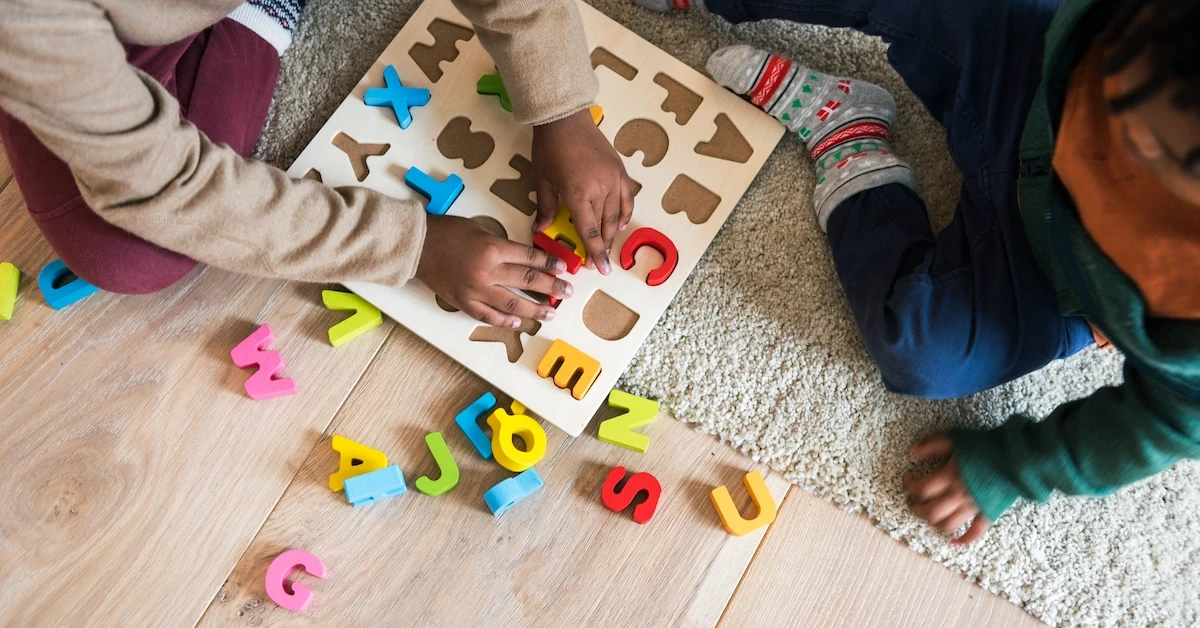
The first five years of life are often called the “miracle years” of early childhood development, and for good reason. During this period, a child’s brain develops more rapidly than at any other time in life.
Neural connections form at an astonishing pace, laying the foundation for how children think, move, relate to others, and understand the world.
It is no surprise that many parents feel overwhelmed. Raising a young child can feel like carrying an enormous responsibility. In many ways, parents are also the architects of their child’s future.
The daily choices you make, from conversations at the dinner table to bedtime routines, shape your child’s growth in lasting ways.
The good news is that healthy early childhood development does not require perfection. It requires presence, intentionality, and a nurturing environment that supports the whole child.
Understanding the Four Pillars of Early Childhood Development (ECD)
Understanding the four pillars of early childhood development helps parents and educators see why the early years matter so much.
Research consistently shows that early childhood development (ECD) shapes a child’s long-term learning, health, and well-being.
At Sekolah Pelita Harapan (SPH), this understanding guides our approach to early childhood education. Our program aligns with globally recognized principles of holistic childhood development and is informed by the Early Years Foundation Stage (EYFS) framework, while also reflecting our Christian worldview.
Physical Development
Physical development plays a central role in early childhood because the body and brain develop together. Harvard research shows that active movement supports healthy brain architecture and strengthens neural connections during this critical period of rapid brain development.
When children run, climb, draw, and build, they strengthen both gross and fine motor skills. These early experiences not only improve coordination and confidence but also support cognitive and emotional development.
Health also significantly influences childhood development. Proper nutrition, safe environments, and responsive care ensure that young children can reach their developmental potential. When children develop strong physical health in early life, they are better prepared for primary school and long-term learning.
Cognitive Development
Cognitive development in early childhood focuses on how children think, question, and solve problems. Because the early years are a period of rapid brain development, the quality of early learning experiences directly shapes cognitive abilities and language development. Meaningful interactions, storytelling, and inquiry-based activities strengthen executive functioning and problem-solving skills.
Rather than emphasizing memorization, effective early childhood development encourages curiosity and exploration. When children actively engage in discovery, they build a strong foundation for future learning. These skills extend beyond academics and influence lifelong development.
Social-Emotional Development
Social-emotional development is central to healthy childhood development. In early childhood, children learn to regulate emotions, develop empathy, and build relationships. Responsive care from teachers and parents helps young children feel secure, which supports both emotional development and cognitive growth.
A supportive environment allows children to practice social skills and manage challenges in healthy ways. Strong social-emotional development protects mental health and reduces risk in later development. When children feel safe and valued, they are more confident learners.
Spiritual Development
Spiritual development acknowledges that early childhood development involves meaning, identity, and character formation. During early childhood, children naturally express curiosity about purpose, truth, and relationships. Guiding these questions with intention helps shape values and moral awareness.
In this approach, spiritual growth supports the child’s full potential in life and learning. It complements physical, cognitive, and social-emotional development rather than replacing them. When these four pillars work together, childhood development becomes balanced, purposeful, and deeply rooted.
Read Also: Life Skills for Early Childhood Development that Every Parent Should Know
Using Milestones as a Guide, Not a Race
Parents often hear about developmental milestones and feel pressure to ensure their child reaches each one on schedule. While milestones are helpful markers, they should be viewed as guides rather than strict deadlines.
Every child develops at their own pace. Some may speak earlier, while others excel physically or socially first. Comparing children to peers can create unnecessary stress for both parents and children. Instead, observe patterns of growth over time. If a child is progressing steadily, even if not at the exact same pace as others, that is often a healthy sign.
When concerns arise, partnering with the right school can provide clarity and reassurance. The goal is not to accelerate development, but to support it thoughtfully.
Practical Ways to Nurture Early Childhood Development at Home
Early childhood development continues beyond preschool programs and starts shaping a child’s life from birth.
Primary caregivers play a central role in providing nurturing care and responsive care every day. Through simple and consistent actions, parents can support physical growth, cognitive abilities, and socioemotional development in ways that are meaningful.
Sensory Play
Sensory play supports early development by strengthening physical coordination and stimulating brain growth during this critical period.
Simple play-based activities like exploring water, sand, or safe materials help improve a child’s ability to focus while supporting executive functioning and cognitive abilities.
When combined with proper nutrition and good health practices, these early experiences build a strong foundation for later development and school readiness.
Consistent Routines
Consistent routines help children feel secure, which reduces risk and supports socioemotional development.
Regular meals, rest, and daily structure also promote physical health and protect children from the effects of inadequate nutrition or unstable environments.
When primary caregivers provide predictable and nurturing care, they strengthen mental health and overall well-being.
“Serve-and-Return” Interaction
Serve-and-return interaction builds strong brain connections in the first few years of life. When primary caregivers respond to a child’s words or gestures, they support language growth, cognitive development, and social skills at the same time.
These simple but powerful early experiences expand developmental potential and prepare children for future learning in school.
A Strong Start from Birth
Early childhood care begins at birth and includes attention to maternal health, birth registration, and access to health and nutrition services.
Addressing child malnutrition and other social determinants early are some important factors that can help reduce risk, especially in low-income countries.
With responsive care and consistent support, children can grow toward their full potential and contribute to stronger human capital over time.
Read Also: Why Outdoor Play in Early Childhood Matters?
Early Childhood Development Through a Christian Lens
From a Christian perspective, early childhood is more than a stage of biological growth.
Psalm 139:13–16 reminds us that each child is “fearfully and wonderfully made,” which shapes how we understand child development during early childhood.
Instead of focusing only on milestones, we see early childhood as a sacred season where God’s design unfolds in each child’s life.
Every child enters early childhood with unique strengths, personalities, and gifts. Even when children lack opportunities due to environment or circumstance, their value and God-given potential remain unchanged.
In this view of child development, educators and parents act as stewards who guide early learning with patience and purpose.
When parents embrace this understanding of early childhood, the pressure to compare begins to fade. Early childhood becomes less about competition and more about faithful guidance.
Through intentional early learning experiences rooted in truth and love, families can support child development in a way that honors both God’s design and each child’s individuality.
Partnering with a School That Prioritizes Early Childhood Development!
Choosing the right preschool environment plays a significant role in a child’s growth. A strong Early Childhood Education program places children at the center of its approach, academically, emotionally, physically, and spiritually.
Early childhood development at SPH is intentionally grounded in Biblical values and best educational practices.
Our ECE program follows the internationally recognized Early Years Foundation Stage (EYFS) framework, ensuring that structured learning is thoughtfully integrated with play-based exploration, character formation, and spiritual guidance.
Through this balanced approach, teachers partner closely with families to provide individualized attention and nurturing care for every child.
When you choose a school that prioritizes holistic development, you can feel confident that your child is growing in an environment that honors both excellence and faith.
We believe education in the early years should cultivate curiosity, strengthen character, and guide children toward their God-given potential.
The “miracle years” pass quickly, but their impact lasts a lifetime. With thoughtful guidance at home and a supportive school community, early childhood development becomes not a source of anxiety, but a journey of discovery that reflects God’s purposeful design in every child.
If you are looking for a trusted Preschool in Jakarta that combines academic quality with Christian values, we invite you to explore SPH’s Early Childhood Education program.
Contact SPH today to learn more about enrollment, schedule a visit, and discover how your child can begin their early learning journey with us!

Share this blog post

Established in 1993, Sekolah Pelita Harapan (SPH) has become a trusted International Christian School in Jakarta providing Christian education for Indonesian and expatriate families. As a dedicated partner in education, SPH seeks to empower families with personalized programs and resources, fostering academic excellence, nurturing faith, building character, and facilitating their children's personal growth.