

3 Key Factors in Shaping a Child’s Character from an Early Age
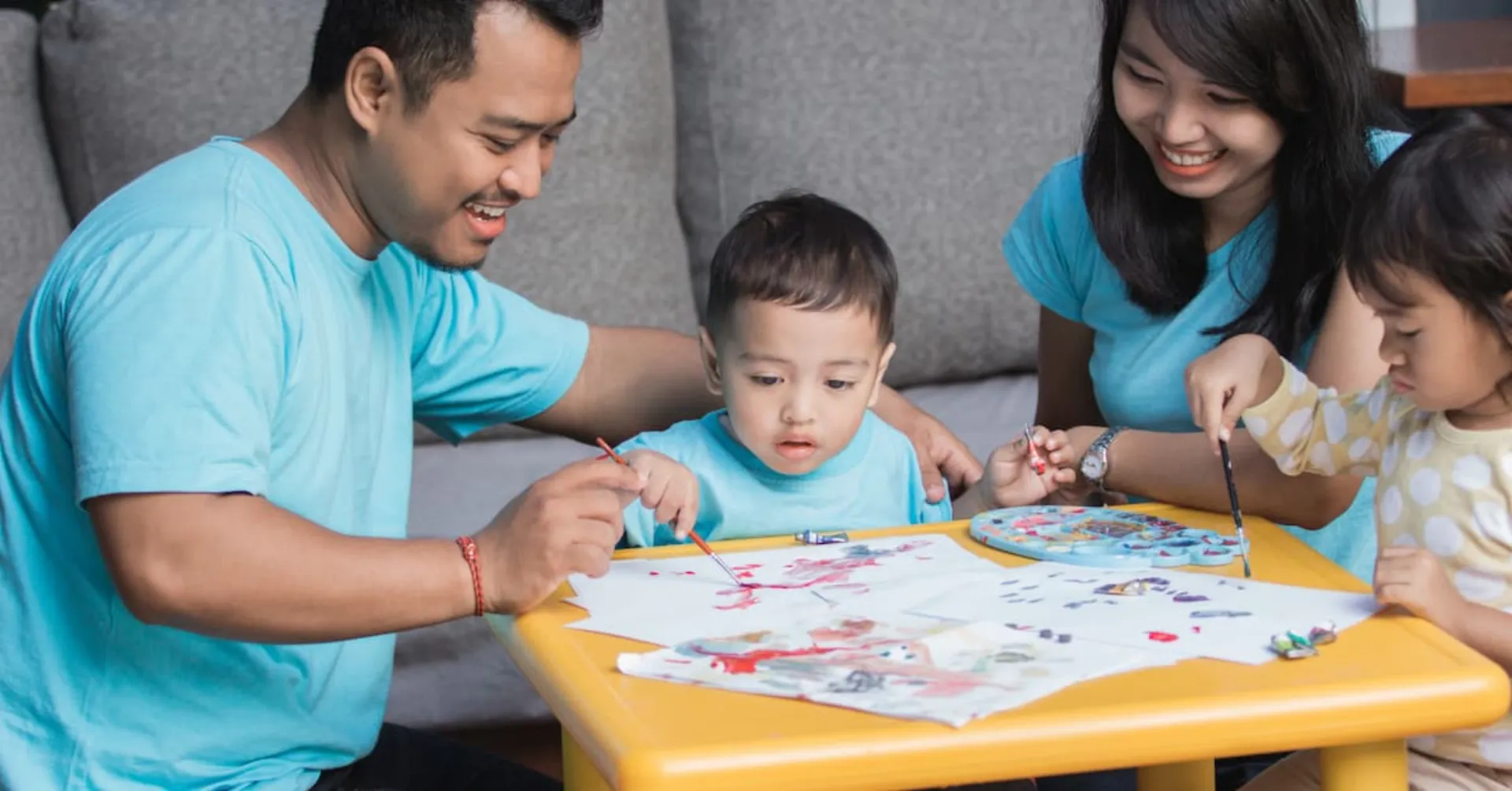
Character development is one of the most important aspects of early childhood. The formative years are a critical window of opportunity to instill values, shape behavior, and build the foundation for a child’s lifelong personality.
Proverbs 22:6 reminds us, “Train up a child in the way he should go, and when he is old, he will not depart from it.” This biblical principle tells us just how important the role parents play in shaping their child’s character.
But what does it take to nurture strong character in young children?
Let’s explore the key factors that contribute to this process!
The Importance of Character Development in Early Childhood
Character is the core of who we are. It determines how we approach challenges, interact with others, and make decisions. For children, this foundation begins in the early years when their brains are most receptive to learning and shaping habits. During this time, children develop their understanding of right and wrong, form emotional responses, and observe the behavior of those around them.
Parents, caregivers, and teachers are also important in this process. By prioritizing character development from an early age, we equip children with the tools to navigate life’s complexities with integrity and resilience. Good character is not innate but rather nurtured. And just as a gardener carefully tends to a young plant, parents and educators must guide children with patience, consistency, and intentionality.
Factor 1: Positive Role Models
Children are naturally observant and absorb what they see around them like sponges. Positive role models are crucial because young children often imitate the behaviors, attitudes, and values of the adults in their lives. Parents, in particular, serve as a child’s first and most influential role models.
When parents display traits such as kindness, patience, honesty, and respect, these values become embedded in the child’s understanding of how to treat others. For instance, a parent who practices gratitude and humility teaches their child to value what they have and approach life with a sense of thankfulness.
Teachers and mentors also contribute to character building. They reinforce positive behaviors and encourage children to develop a love for learning, empathy for their peers, and curiosity about the world. Regardless of the outcome, a caring teacher who celebrates a child’s efforts helps instill a sense of self-worth and resilience.
Parents should pay attention to the influence of media. Children are increasingly exposed to content from television, social media, and online platforms. Thus, ensuring that they engage with positive and uplifting media reinforces the values they learn at home and in school becomes increasingly essential. Parents can actively curate what their children watch, opting for shows and stories that emphasize cooperation, kindness, and perseverance.
Most importantly, remember that Jesus is the ultimate role model. His life shows us what it means to love, be humble, forgive, and care for others. Encouraging kids to read the Bible and learn from Jesus’ teachings helps them grow strong in their values and treat others with kindness. When parents point to Jesus as an example, they help their children learn how to live with love and compassion every day.
Factor 2: Moral Education
Moral education is the backbone of character development. Without a clear understanding of right and wrong, children lack the framework needed to make ethical decisions and build meaningful relationships. Teaching children biblical principles provides a strong foundation for moral development. Values such as love, forgiveness, humility, and honesty are timeless guides for navigating life’s challenges.
Empathy is another cornerstone of moral education. When children learn to put themselves in someone else’s shoes, they become more attuned to the feelings and needs of others. Empathy fosters kindness, reduces conflict, and encourages children to treat others with compassion. Parents can nurture empathy by encouraging children to share, listen to others, and recognize how their actions impact those around them.
Another vital aspect of moral education is teaching responsibility and accountability. Children need to understand that their choices have consequences. For instance, if a child forgets to complete a chore, discussing the impact of their actions, rather than punishing them harshly, helps them take ownership and learn from the experience. Teaching children to accept responsibility cultivates integrity, a quality that will serve them well throughout life.
Factor 3: Discipline and Boundaries
Discipline and boundaries are essential tools for guiding children toward positive behavior and self-control. Effective discipline is not about punishment; instead, it is a way to teach children how to make better choices and understand the consequences of their actions.
Setting clear expectations and limits gives children a sense of structure and security. For example, establishing a consistent bedtime routine not only ensures adequate rest but also teaches the value of self-discipline and organization. When children know what is expected of them, they feel more confident and capable.
Positive reinforcement is another powerful strategy. Praising children for their efforts and celebrating small successes encourages them to repeat desirable behaviors. For instance, acknowledging a child for sharing their toys or completing a task independently reinforces their sense of accomplishment and motivates them to continue making good choices.
Gentle correction is equally important. When children make mistakes, guiding them with patience and understanding helps them learn without feeling discouraged. Instead of scolding a child for spilling a drink, showing them how to clean it up teaches responsibility and problem-solving.
Teaching self-control and delayed gratification is also crucial. These skills enable children to regulate their emotions, manage impulses, and work toward long-term goals. Activities like waiting their turn during a game or saving money for a desired toy help children practice patience and perseverance. Over time, these lessons build resilience and emotional maturity.
Practical Tips for Nurturing Character
Shaping a child’s character requires intentional effort, but small, consistent actions can make a significant impact. Here are a few practical tips for parents:
Model Good Behavior
Children are keen observers and tend to imitate the behaviors and actions of those around them. As parents, when we practice kindness, honesty, and gratitude, we not only set a good example but we also teach children how to interact with others respectfully.
For example, when your child witnesses you thank a cashier for their help or apologize when you’ve made a mistake, they learn that these actions are important and part of daily life. Similarly, by showing kindness to others in front of your child, such as holding the door for someone or offering help to a neighbor, you are teaching them how to be considerate. These small actions reinforce positive behavior and make it easier for your child to adopt these habits naturally.
Along with modeling good behavior, it’s important to establish routines that help children build a personal relationship with God. Simple practices like daily prayer or reading Bible stories together can encourage them to connect with Jesus as their ultimate role model. These routines not only strengthen their faith but also guide them in living out values like love, kindness, and humility in their everyday lives.
Create a Routine
Children thrive in environments where they know what to expect. Establishing a consistent routine helps them understand the importance of time management and prepares them for the day ahead. For instance, if you consistently follow a morning routine, such as waking up at the same time, brushing teeth, and having breakfast, it provides structure, which builds a child’s sense of security. A regular bedtime routine, like reading a book before sleep, not only signals to the child that it’s time to wind down but also promotes healthy sleep habits. The predictability of routines gives children a sense of control, reducing anxiety and helping them feel more settled.
Share Stories with Moral Lessons
Stories with moral lessons are an excellent tool for teaching values in a way that resonates with children. Bible stories, like the parable of the Good Samaritan, teach children about kindness, helping others, and showing compassion even to those who are different from us. Reading these stories aloud together allows one to discuss the moral lessons and how they can be applied in everyday life. For instance, after reading about the Good Samaritan, you could ask your child, “How do you think we can show kindness to someone who might be different from us?” This reflection deepens their understanding and helps them think about how to act with empathy in real-world situations.
Encourage Open Communication
Creating a space where children feel comfortable expressing their thoughts and feelings is essential in building trust and emotional intelligence. Being an active listener to your child shows them that their feelings and opinions matter. For example, if your child comes to you upset about something that happened at school, listen carefully to what they have to say instead of immediately offering advice or a solution. Acknowledge their feelings by saying something like, “I understand that you’re upset about what happened,” and then provide guidance or suggestions for how they might handle similar situations in the future. This not only strengthens your relationship with your child but also helps them develop confidence in communicating their emotions openly.
Celebrate Effort
Focusing on the effort a child puts into a task rather than just the outcome encourages a growth mindset. When you praise your child for their hard work, regardless of whether they succeeded or failed, you teach them the importance of perseverance and resilience. If your child works hard on a drawing but isn’t satisfied with the final result, instead of commenting solely on how the picture looks, you can say, “I’m so proud of how hard you worked on this! You kept going even when it was challenging.” This reinforces that the process of learning and trying is just as valuable as achieving a perfect result, helping the child develop confidence in their abilities and a positive attitude toward facing challenges in the future.
Conclusion
Character development in early childhood is a journey that requires patience, consistency, and love. Positive role models who are rooted in Christ, moral education, and healthy discipline are the cornerstones of nurturing strong character. As parents, caregivers, and educators, we have the privilege of shaping the next generation into compassionate, responsible, and resilient individuals.
Remember that progress takes time. Celebrate small victories, and don’t be discouraged by setbacks. By modeling good behavior, teaching biblical values, and setting clear boundaries, you are laying the groundwork for your child’s success in life.
Learn more about Sekolah Pelita Harapan here.

Share this blog post

Established in 1993, Sekolah Pelita Harapan (SPH) has become a trusted International Christian School in Jakarta providing Christian education for Indonesian and expatriate families. As a dedicated partner in education, SPH seeks to empower families with personalized programs and resources, fostering academic excellence, nurturing faith, building character, and facilitating their children's personal growth.