

How Purposeful Parenting Supports Holistic Child Development
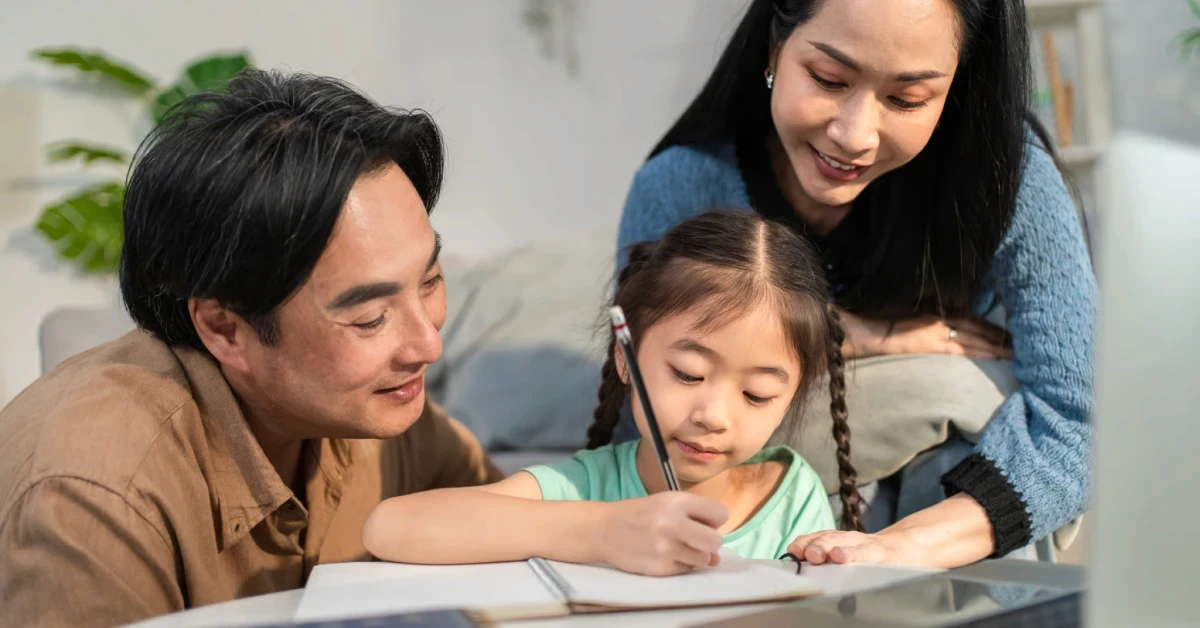
What do you hope your child will become when they grow up?
Maybe you hope they will be kind, confident, responsible, and happy. But how do children actually grow into these qualities? As parents, we naturally guide children through these moments. We correct them, comfort them, set boundaries, and help them understand their choices. But it is also worth asking: What kind of person am I helping my child become?
That is where purposeful parenting comes in. It is about being intentional in how you guide your child as they grow, rather than focusing only on behavior. For Christian parents, this also means helping children know God, grow in faith, develop their gifts, and understand that their lives have a purpose.
Purposeful parenting does not mean planning every part of a child's future. It means giving them guidance, opportunities, and space to discover who they are and who they are becoming.
Helping Children Discover Their Identity and Purpose
Have you ever noticed your child becoming completely absorbed in something you never expected them to enjoy?
Maybe they spend hours drawing, asking questions, or helping others. These everyday moments can reveal your child's interests and strengths. Paying attention to them is one way purposeful parenting can help you better understand your child. Children need time and space to discover what they enjoy, what they are good at, and what matters to them.
As a parent, you do not need to have all the answers about who your child will become. You can start by showing genuine interest in what your child enjoys:
Ask questions
Listen to their stories
Let them try different activities
Give them opportunities to experience both success and failure
For Christian parents, this process can also be an opportunity to help children understand that their identity is rooted in being created by God. Their interests, abilities, personalities, and experiences are part of what make them unique, but their worth does not depend on what they can achieve.
The Bible also reminds parents of the importance of guiding children as they grow: “Start children off on the way they should go, and even when they are old they will not turn from it.” (Proverbs 22:6). This verse can encourage parents to give their children a strong foundation while helping them grow toward the person God has created them to be.
You may not know exactly where your child's interests will lead, and that is okay. Your child does not need to have their whole future figured out. What they need is the freedom to discover themselves with someone beside them who is willing to listen, guide, and encourage them.
Building Character Through Everyday Parenting

Some of the best parenting lessons happen when things go wrong. A child forgets a promise, argues with a sibling, refuses to admit a mistake, or gets frustrated when something is harder than expected.
As parents, our instinct may be to immediately fix the problem or correct the behavior. While sometimes necessary, these moments are also opportunities to help children understand their choices.
Instead of only saying, “You shouldn't have done that,” try asking, “What happened?” or “How do you think that made your sibling feel?” These simple conversations help children understand how their actions affect others and what they can learn from their mistakes.
Rather than focusing only on correcting behavior, purposeful parenting helps children learn to take responsibility, acknowledge mistakes, and make better choices.
For Christian parents, character development is deeply connected to faith. Values like honesty, kindness, patience, forgiveness, humility, and perseverance are not just qualities to talk about, but part of how children learn to live and treat others. Parents do not need a special lesson plan to build character; everyday family life already provides all the practice they need.
Helping Children Discover Their God-Given Gifts
Every child has strengths that can grow with the right support. One child may be good at solving problems, another may be creative, while someone else may naturally know how to encourage and help others.
As Christian parents, we can see these strengths as part of the gifts God has given each child. The goal is not to compare children or push them to excel at everything. It is to help them recognize their abilities and learn how to develop them.
Developing a gift takes time. A child who is good at music still needs practice. A child who enjoys writing needs opportunities to improve. Children may also struggle along the way, and those challenges can teach them patience, perseverance, and responsibility.
Purposeful parenting can help parents support this growth without turning every strength into an achievement. Instead of focusing only on results, parents can encourage children to use their abilities well and consider how their gifts can benefit others.
This also means giving children room to grow at their own pace. Parents can provide guidance, opportunities, and encouragement while allowing children to discover how their gifts may be used in meaningful ways.
Leading by Example in Everyday Life
Children are always watching us.
They notice how we talk when we are tired, how we react when someone disagrees with us, and whether we say sorry when we make a mistake. Often, they notice far more than we think.
This is why parenting is not just about telling children what to do; it is about showing them what those values look like in everyday life. Purposeful parenting means being aware of the example parents set every day.
If you want your child to speak kindly, let them experience kindness from you. If you want them to take responsibility, show them that you can admit when you are wrong. If you want them to handle difficult situations with patience, let them see how you work through your own challenging moments.
This principle extends to faith. Children learn that following Christ is not simply about knowing what we believe, but about how we live because of what we believe. They see faith in the way their parents pray, forgive, show gratitude, serve others, love their neighbours, make choices, and respond to challenges. Through these everyday moments, children begin to understand that faith is not merely something we teach - it is a life we are called to live.
Of course, this does not mean you have to be a perfect example. You will make mistakes and lose your patience sometimes. When that happens, you can show your child what comes next: acknowledging the mistake, apologizing, seeking forgiveness, and trying again. That in itself is a valuable lesson.
Balancing Boundaries with Freedom and Responsibility

There comes a point in every child's life when parents have to start letting go, little by little. As children grow, they naturally want more control over their choices, from what they wear to how they manage their schoolwork and free time.
It can be tempting to either hold on tightly or give them complete freedom. But there is another way: gradually increasing freedom as children become ready for more responsibility. In purposeful parenting, parents can adjust this balance as their children grow, giving guidance when they need it and more space when they are ready.
Children may not always make the choices you would have made. That is part of learning. When they have age-appropriate opportunities to make decisions, they also have opportunities to learn from the results. They begin to understand that freedom comes with responsibility.
This balance is also important as children grow in their faith. Parents can provide a strong foundation through teaching their children the truth of God’s Word and modeling a life shaped by that truth. As children grow, parents can gradually give them more space to make their own decisions, including how they understand and live out their faith. By giving them this space, children can learn to make wise decisions while staying grounded in the faith they have been taught.
Supporting Children’s Growth in Faith
Faith can grow through ordinary family moments. You do not always need a big conversation about faith. Sometimes it can begin with a simple question your child asks on the way home from school:
Why did that person treat me that way?
Should I forgive my friend?
Why do bad things happen?
These questions may not always have easy answers, but they can open the door to meaningful conversations about God, forgiveness, kindness, responsibility, gratitude, and grace.
For parents, nurturing faith is more than simply teaching children what to believe. It is also about helping them grow as followers of Christ. Purposeful parenting can support this growth through everyday conversations, experiences, and examples.
This aligns with Jesus' Great Commission: “Therefore go and make disciples of all nations, baptizing them in the name of the Father and of the Son and of the Holy Spirit, and teaching them to obey everything I have commanded you. And surely I am with you always, to the very end of the age” (Matthew 28:19–20). For parents, the home can be one of the first places where children learn what it means to know God, follow Christ, and live out their faith.
Practicing faith through daily interaction and open conversations helps children see how belief shapes everyday life. As they grow and ask deeper questions, parents do not need to have every answer; simply listening and exploring together guides children to build an authentic faith they can truly own.
Guiding Children Toward Their Own Path in Life
It is natural to imagine a future for your child, from their education to their potential career. But what happens when they want something different?
This is where parenting shifts from choosing a path for them to helping them learn how to navigate one. Purposeful parenting means guiding children without deciding every detail of their future. You can share wisdom, ask thoughtful questions, and offer advice while still giving them room to make age-appropriate choices.
They may make mistakes or change their minds along the way, but these experiences can teach them to make wise decisions. It is also about recognizing that every child has their own unique journey and calling. As your child grows, your role gradually shifts from making decisions for them to helping them think through their choices, giving them space to walk confidently in the direction God has prepared for them.
Supporting Every Aspect of Children’s Development at SPH
When you think about your child's education, academics may be one of the first things that come to mind. But education can also help children develop the skills and values they need beyond the classroom.
This is why the environment where children spend their time matters.
As an international school, SPH supports children's development across different areas of their lives. For parents considering an international school in Indonesia, it can be helpful to look beyond academics and consider how a school supports children's character, relationships, personal growth, and faith.
Parents remain at the heart of a child's development. Home and school can work together to give children consistent opportunities to learn, grow, and discover their purpose.
At SPH, we understand that every child grows in their own way. Explore how SPH can partner with your family in supporting your child's academic, personal, character, and spiritual development.
If you would like to get to know the SPH community and its learning environment, SPH Open Day will be held from 15 to 17 October 2026, with sessions for different grade levels across five SPH campuses.

Share this blog post

Established in 1993, Sekolah Pelita Harapan (SPH) has become a trusted International Christian School in Jakarta providing Christian education for Indonesian and expatriate families. As a dedicated partner in education, SPH seeks to empower families with personalized programs and resources, fostering academic excellence, nurturing faith, building character, and facilitating their children's personal growth.