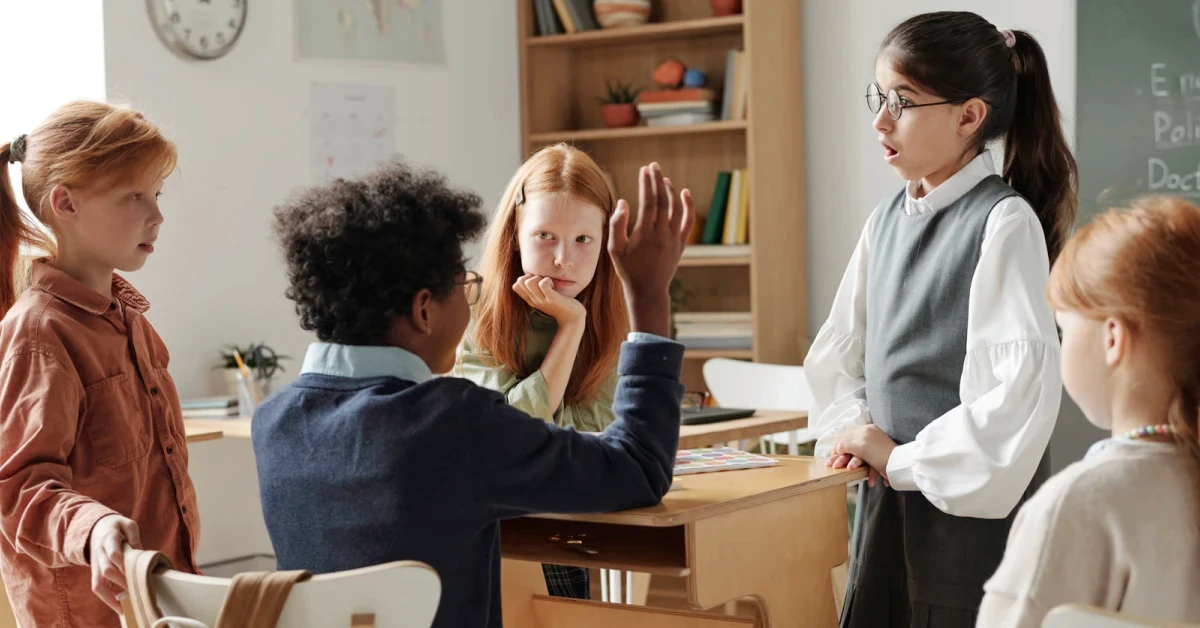

7 Skills to Success Every Child Needs for the Future

“If my child gets into a top university, they are set for life.”
It is a comforting thought, but an acceptance letter alone does not guarantee a thriving future. Too often, our view of education swings between two extremes, either obsessing over perfect report cards or ignoring academic structure entirely.
While solid grades build a helpful foundation, real growth happens when children learn how to solve complex problems and discover their God given strengths. When we look past narrow academic metrics, we can focus on building the foundational skills for success every child needs to navigate an uncertain world with wisdom and confidence.
Problem-Solving Skills Help Children Find Their Own Solutions
In a traditional classroom, students are often handed problems alongside neat step by step answer keys. Real life, however, rarely comes with an instruction manual. When young people transition to university and the workplace, they quickly discover that true accomplishment is not about recalling memorized answers, but about navigating situations where no easy solution exists.
True success happens when students transition from merely showing up to class to actively driving their own purpose, notes SPH Lippo Village Head of Career Counseling, Angeline Ang. Instead of feeling defeated when a project doesn't go as planned, a strong problem solver steps back to evaluate. They move past panic and ask constructive questions like “What went wrong here?” or “What alternative approach can I try next time?”
This proactive mindset helps students learn directly from their mistakes. It is also why top universities look far beyond standard GPA numbers during the admissions process, seeking students who can think critically and act independently. When we encourage children to figure things out for themselves, we help them build one of the most vital skills to success for life beyond the classroom.
Adaptability Helps Children Navigate an Uncertain Future
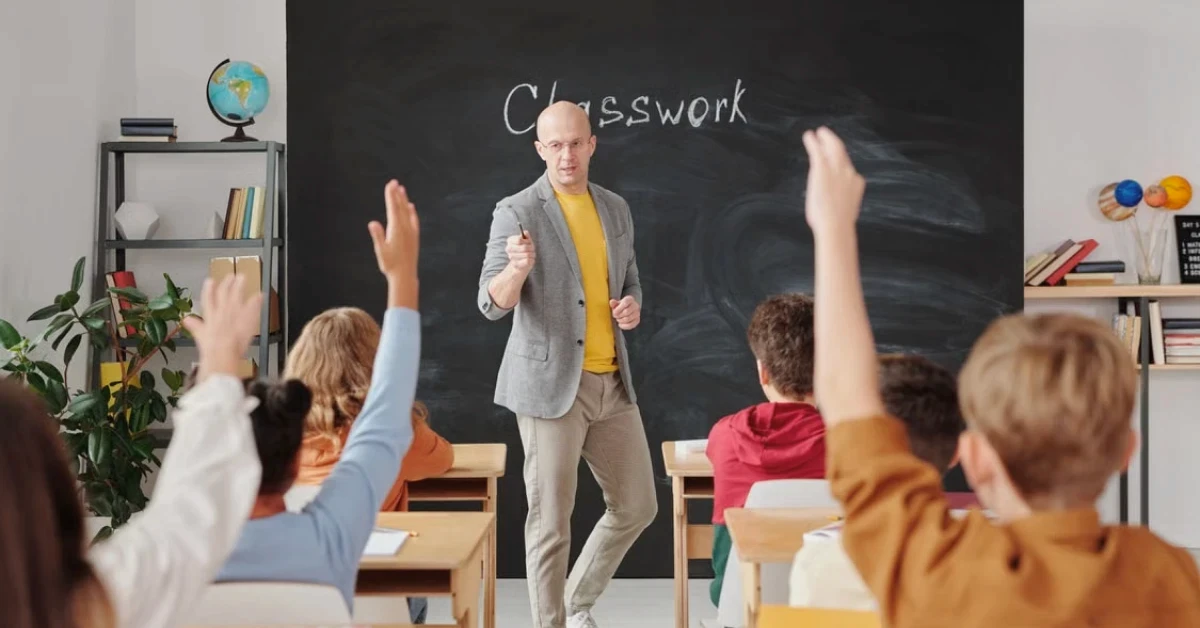
Few lives follow a straight line. While society often promotes one narrow formula for success, real life demands continuous flexibility. Adaptable students do not panic when life doesn't follow their initial plan, whether they are adjusting to a new campus environment or exploring unexpected academic opportunities. Instead, they respond thoughtfully to new situations and ask questions like
“How can I adjust my plan here?” or “What new doors might this open?”
Flexibility transforms uncertainty into an opportunity for growth.
Understanding that there are many different routes to a fulfilling future gives children the freedom to learn without fear of the unknown. When parents and educators encourage adaptability rather than imposing rigid expectations, children build essential skills to success that keep them grounded, confident, and open to God's direction in an ever changing world.
Resilience Helps Children Learn and Grow Through Failure
Failure is often viewed as something to avoid at all costs, yet it is one of the most powerful teachers a child can have. When young people are shielded from every minor setback, they miss out on developing the emotional strength needed to handle real world rejection.
Building true resilience equips children to:
Reframe disappointment as growth: View a low score or a university rejection not as a final verdict on their worth, but as a temporary step in a much longer journey.
Shift to constructive thinking: Move past self blame and ask practical questions like “What did this experience teach me?” or “How can I improve next time?”
Separate identity from achievement: Understand that their value comes from being fearfully and wonderfully made by God, not from external approval or academic transcripts.
For parents, stepping back to let children fall can feel uncomfortable, but it is necessary for authentic maturity. Supporting kids through disappointment rather than shielding them from it helps build the foundational skills to success that last long into adulthood.
Grit Helps Children Keep Going Through Challenges
While motivation gets children started, grit is what keeps them moving when initial excitement wears off. In her counseling experience at Sekolah Pelita Harapan, Angeline Ang sees how students often hit a wall during long term university application prep or demanding coursework, where enthusiasm alone is no longer enough.
True grit means staying committed through repetitive study sessions and difficult practice, asking “How can I keep building momentum even when this feels hard?” When we teach children to press on through challenging phases instead of quitting at the first sign of frustration, we develop the practical skills to success that transform raw talent into long term achievement.
Self Awareness Helps Children Discover Their God Given Strengths
Comparing oneself to peers is a common trap in today's performance driven world. When children chase someone else's definition of achievement, they risk burning out trying to fit into a mold that was never designed for them. True self awareness allows young people to look inward, recognize their unique God given talents, and align their educational choices with their authentic passions.
Instead of asking “How can I be like everyone else?” confident students ask “What unique gifts do I bring to the table?”
When students understand their own strengths and limitations, they choose university majors and career paths with far greater conviction. Helping children build deep self awareness is one of the most valuable skills to success, guiding them toward a future where they can serve and excel with genuine purpose.
Empathy Teaches Children to Love and Understand Others
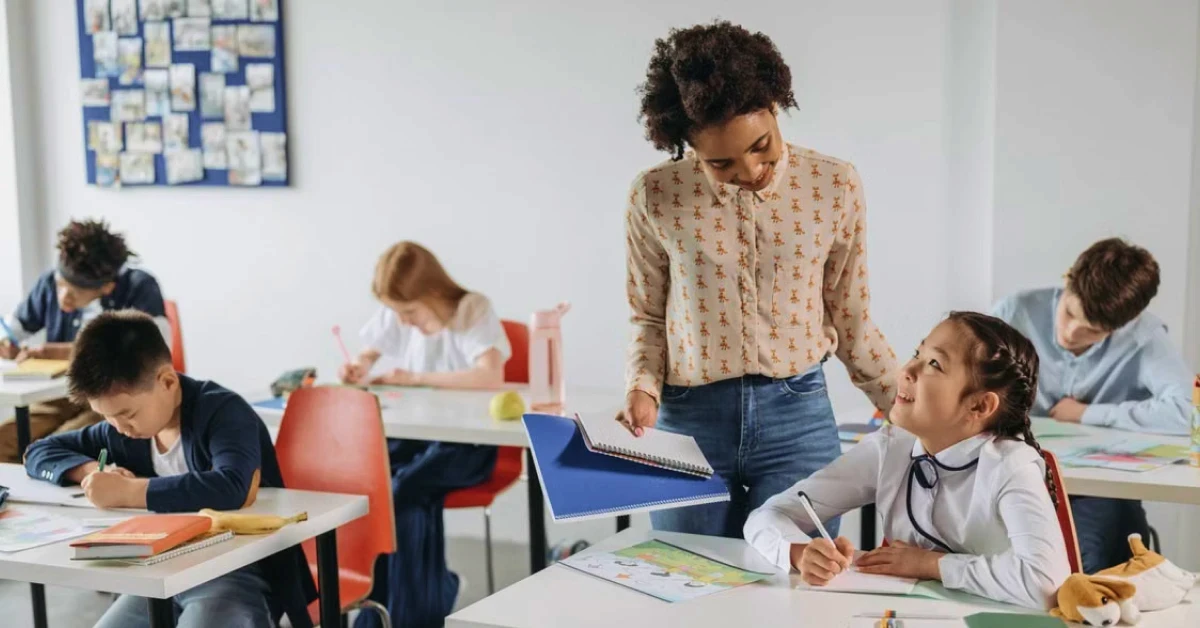
When the focus stays strictly on personal achievements, children can easily view school through a narrow, self centered lens. Empathy shifts their perspective outward, helping them realize that education is meant to serve others rather than elevate themselves. An empathetic child learns to look past competitive pressure and ask compassionate questions like “What might my classmate be going through right now?” or “How can I support someone else in this challenge?”
Caring for others helps high achievers become thoughtful leaders.
Developing strong emotional intelligence enables young people to build genuine relationships in diverse university settings. When parents encourage children to care deeply for those around them, they nurture essential skills to success that translate knowledge into humble, impactful service.
Faith and Character Ground Children in Purpose
Grades open doors, but character keeps children grounded when pressure mounts. At Sekolah Pelita Harapan, Christ centered education is woven into every aspect of learning so faith and moral integrity naturally guide daily growth. We encourage our students to look beyond test scores and see academic achievements not as their ultimate identity, but as tools to serve others and make a meaningful impact. When university preparation feels overwhelming, our students learn to ask, “Where does my true worth come from?”
Rooting student identity in Christ strips away the overwhelming fear of failure, giving them the core skills for success that last a lifetime. As Ephesians 2:10 reminds us, “For we are God’s handiwork, created in Christ Jesus to do good works, which God prepared in advance for us to do.” Knowing their value is anchored in Him allows students to face every challenge with lasting confidence and purpose.
Developing Skills, Character, and Faith for the Future at SPH
Preparing children for university and adult life goes far beyond chasing perfect exam scores. True readiness comes from nurturing the inner strength, adaptability, grit, and empathy needed to navigate an ever changing world. Every child develops at a unique rhythm and faces distinct hurdles along the way. In an international school where faith and academics work together, students receive a clearer way to navigate unexpected challenges as natural learning experiences rather than personal failures.
Ultimately, education should not feel like a relentless race toward temporary achievements. The best environment is one where your child feels safe to fall, encouraged to try again, and equipped to serve others with genuine humility. At Sekolah Pelita Harapan, we partner with families to build these lifelong foundations.
To see how our educational approach comes to life, join us for the SPH Open Day from 15 to 17 October 2026 across our 5 campuses, where you can discover how faith and academics work together to support your child's journey.

Share this blog post

Established in 1993, Sekolah Pelita Harapan (SPH) has become a trusted International Christian School in Jakarta providing Christian education for Indonesian and expatriate families. As a dedicated partner in education, SPH seeks to empower families with personalized programs and resources, fostering academic excellence, nurturing faith, building character, and facilitating their children's personal growth.