
How to Develop Children’s Skills Through Their Strengths
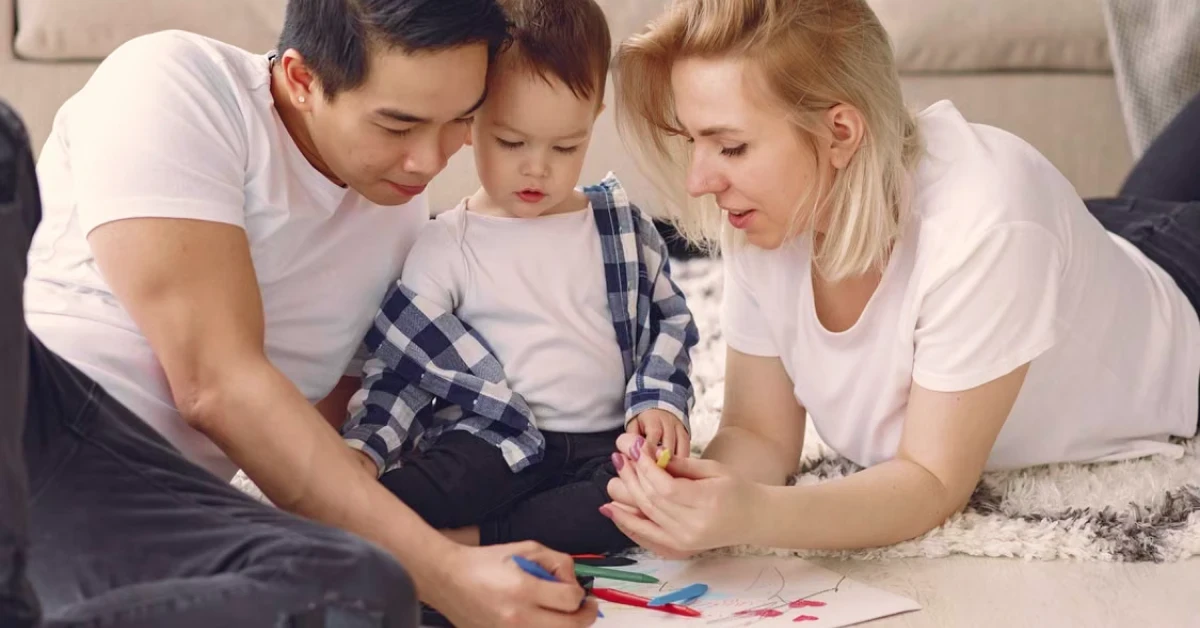
Every child enters the world with a unique blend of curiosity, talent, and personality. Yet as parents, it is easy to get caught up in tracking grades or worrying about areas where our children struggle, missing the subtle clues that reveal who God created them to be.
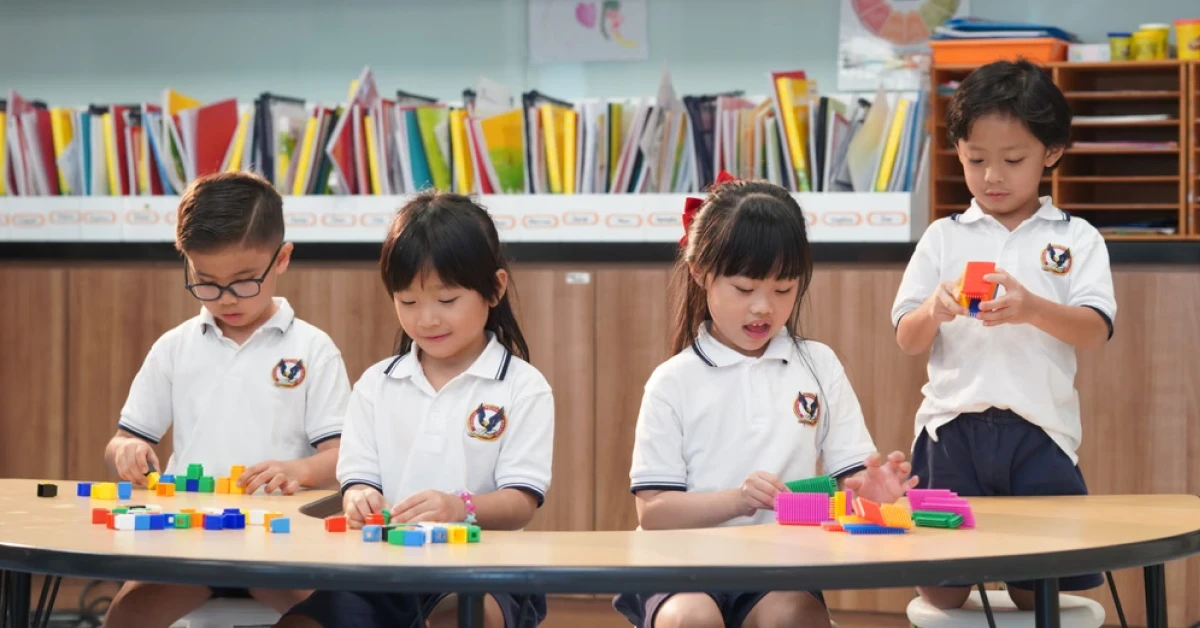
One child might spend hours quietly building intricate structures out of blocks, while another thrives on organizing neighborhood games or offering comfort to a friend who is crying. These everyday behaviors are more than just hobbies—they are glimpses into your child's natural strengths.
Nurturing these gifts requires more than just enrolling them in extra classes. It takes a holistic approach that balances freedom, wise guidance, healthy boundaries, and a foundation of faith to help develop children's skill and potential with confidence and purpose. Here is how you can help your child discover, develop, and deploy their god-given potential with confidence and purpose.
Give Your Child Space to Explore Their Strengths
Children rarely know what they are naturally good at—they discover their strengths through trial, error, and exploration. A child who loves helping you bake in the kitchen might be developing a gift for precise, hands-on tasks. Another who constantly asks “why” things work might have a natural aptitude for scientific inquiry.
As parents, our role is to open doors rather than dictate the path. Here are a few things you can do to give your child space to explore their strengths:
Offer diverse experiences: Expose your child to a wide variety of activities–from team sports and visual arts to coding, musical instruments, or community service.
Notice what excites them: Pay attention to what lights them up. Notice which activities leave them feeling energized and curious rather than drained.
Change your questions: Shift from performance-based questions like “Did you win?” or “Did you get an A?” instead, ask “What was the most interesting part of that project today?”
Allow your child the freedom to try things without the pressure of having to excel immediately. Every child develops at their own pace, and giving them room to explore helps develop children's skills by allowing genuine interests and abilities to emerge naturally.
Help Your Child Develop Their Strengths
Discovering an interest is the only first step; turning a spark of interest into a meaningful skill requires practice, patience, and encouraging guidance.
Consider a child who loves drawing but gets deeply frustrated when a portrait doesn’t turn out right. Instead of offering generic praise like “It looks great anyway!” or letting them quit, guide them through the process of growth. You might say, “I notice how much detail you put into the eyes this time. What part of the picture would you like to practice next?” This type of question helps them see that learning takes time.
Developing strengths also means providing the right resources at the right time:
A child fascinated by nature might thrive with a small gardening kit or a microscope.
A natural communicator might flourish in a drama workshop or debate club.
These small steps can help you understand your child's interests and provide opportunities to develop their skills at their own pace.
Remember, not every passion needs to become a competitive pursuit or a future career. Sometimes, developing a strength simply gives a child a healthy outlet for joy and self-expression. By celebrating effort over perfection, you help them embrace the rewarding process of lifelong learning.
Turn Mistakes Into Learning Opportunities
As parents, our natural instinct is to shield our children from pain or failure. However, shielding them from every obstacle robs them of the chance to build resilience–a critical skill for long-term success.
Imagine your child comes home disheartened after failing a math quiz or getting cut from a school sports team. Before stepping in to fix the problem or placing blame, use the moment as a mirror for reflection. Help them process the experience by asking:
"Which specific questions felt hardest for you?"
"How did you prepare for this test, and what could we change about your study routine next time?"
"What did this experience teach you about handling a setback?"
Transforming mistakes into learning opportunities does not mean removing accountability. If a child forgot to turn in their homework because they procrastinated, they must experience the natural consequence. But when met with parental patience instead of anger, children learn that a mistake is not a reflection of their worth—it is simply a stepping stone toward growth.
Guide Children Toward Their Future
As children approach adolescence, they may begin to wrestle with questions of identity and purpose: “What am I good at? Where do I fit in the world?” As parents, we play a vital role in helping them connect their current strengths with future possibilities without imposing our own unfulfilled dreams onto them.
You can help your child map out their future by making connections meaningful through various ways:
Connect strengths to real-world roles: If your child has a heart for advocacy and justice, introduce them to careers in law, social work, or non-profit leadership. If they are natural problem-solvers who love math, explore fields in engineering, architecture, or data science.
Encourage service-oriented thinking: Frame their gifts around serving others. Ask, "How do you think your talent for music/organization/leadership can be a blessing to our community?"
Every child has their own pace and path in life. As parents, our role is to provide guidance, reassurance, and room for growth while trusting our children to discover their own direction. By guiding rather than dictating, you give your child the space to discover a vocation where their natural talents meet the world's needs.
Be a Parent, Not Just a Friend

A supportive relationship with your child is essential, but children also need a loving parent who provides clear boundaries and structure. Alongside listening and encouragement, your role is to guide their choices and help them take responsibility for developing their strengths.
For example, your child may have a good ear for music and enjoy playing the piano, but become discouraged when learning a difficult piece. Being just a friend might mean listening and reassuring them. However, being both a friend and a parent means offering that comfort while also helping them work through the difficulty. Sit beside them and practise part of the piece together to understand where they struggle. You can also ask their teacher about suitable practice methods and help them break difficult sections into smaller, more manageable parts. Agree on a realistic practice routine that gives them time to work on these challenges without neglecting schoolwork or rest.
As your child practises, help them recognise how their strengths can support their progress. Their ear for music may help them notice when a note sounds wrong, while repeated practice develops the finger control and coordination needed to play it correctly. If they repeatedly avoid practice, listen to their reasons and discuss whether they need more guidance, a short break, or a different approach. Then, follow through on reasonable expectations with calm firmness. You might say, “I understand you want to play games now. Let’s finish the short practice we agreed on first, then you can have your free time.”
Discipline should aim to guide and nurture, not intimidate. When children break rules or avoid their responsibilities, focus on correcting the behaviour rather than attacking their character. Consistent, compassionate boundaries help children learn self-control and responsibility, making it easier for them to practise regularly and work towards their goals. Over time, these habits help them develop their abilities while learning to manage challenges independently.
As you nurture your child's talent, guide their character alongside their skills. Encourage them to accept feedback with humility, be honest when they have not practised, and take care of their instrument. Explain that developing a God-given talent means using it with care and considering how it can benefit others. Playing at a family gathering or accompanying others at church can give them opportunities to share their musical abilities and contribute to their community.
These experiences can prepare your child for future studies, work, and relationships, whether or not they pursue music professionally. By combining encouragement with clear expectations, you help them build on their strengths, develop their abilities, and learn to use their gifts with gratitude and responsibility.
Build Strong Family Relationships
A child's strengths flourish best in a home environment marked by safety, trust, and mutual respect. Yet, no family is immune to conflict. Frictions between siblings, miscommunications, and parental exhaustion are part of everyday life. The goal is not to eliminate conflict, but to handle it in a way that models grace.
You can cultivate a resilient family culture through intentional daily habits such as:
Practicing active listening: Before offering advice or discipline during a family dispute, give every person involved the chance to express their feelings without interruption.
Model humility and apology: When you lose your temper or handle a situation poorly, apologize sincerely to your child. Saying, "I was wrong to raise my voice, and I am sorry," teaches children that humility is a strength.
Create rituals of connection: Protect simple, consistent family routines—like sharing dinner without devices, reading together before bed, or taking weekend walks.
When children feel securely anchored in a loving family environment, they feel safe enough to take healthy risks, try new things, and develop their talents without the fear of losing your love if they fail.
Helping Your Child Develop the Gifts God Gave Them
Helping your child discover their God-given talents can bring both joy and uncertainty. You may wonder whether to introduce a new activity, encourage them to keep trying, or allow them to move on. In these moments, you can turn to God for wisdom as you learn how to support the child He has entrusted to your care.
“Trust in the LORD with all your heart and lean not on your own understanding; in all your ways submit to him, and he will make your paths straight.” — Proverbs 3:5–6
Let this truth guide the expectations you bring into parenting. Take time to pray for your child, listen to their hopes, and notice where your own ambitions may influence your decisions. Ask God to help you recognise their gifts and respond with patience, especially when their interests or progress look different from what you expected.
You can also help your child see their talents as gifts to receive with gratitude and share with others. Drawing a card for someone who feels lonely or helping a younger sibling learn something new can make this lesson meaningful. As you accompany them through these small experiences, you help them connect their growing abilities with faith, care, and a sense of purpose.
Helping Children Grow in Faith and Character
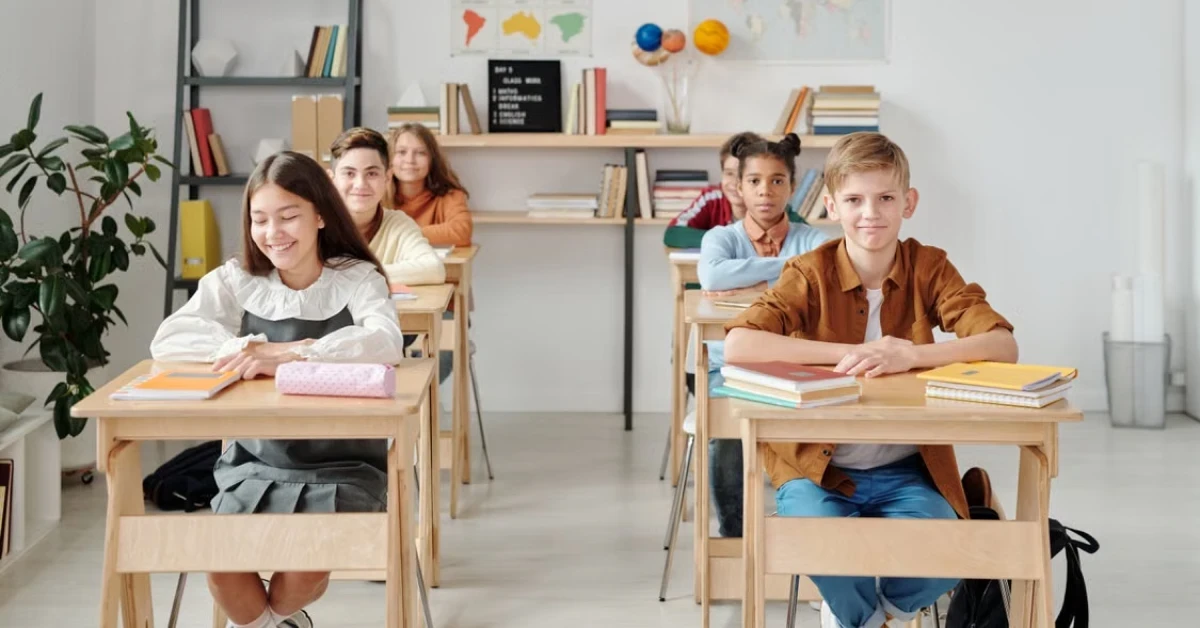
Ultimately, skill development without character development falls short. A child who achieves academic brilliance or athletic mastery but lacks honesty, empathy, and humility will struggle to live a truly fulfilling life.
True character is forged in everyday moments—when a child chooses to be honest after breaking a rule, shows kindness to an isolated classmate, or manages disappointment with grace. By integrating faith into your daily routines—through family prayer, open discussions about real-world challenges, and living out biblical values—you help your child build an inner compass that will guide them for a lifetime.
Partnering for a Lifetime of Purpose
Raising a child to grow in wisdom, faith, and capability is a profound journey, but it is not one you have to walk alone. The environment where your child spends their school hours plays a pivotal role in reinforcing the values you teach at home.
At Sekolah Pelita Harapan (SPH), an international school in Indonesia, we partner with families to provide a Christ-centered, world-class education that nurtures the whole child. Through our holistic international curriculum, dedicated Christian educators, and vibrant community, we help students discover their God-given gifts, cultivate critical thinking, and grow into courageous leaders who make a positive impact on the world.
Choosing the right school begins with understanding how its values and learning environment align with your hopes for your child. Visit one of our SPH campuses and experience our learning community firsthand. We are open for school visits from Monday to Friday, 8 AM to 2 PM.
Book Your Campus Visit today and discover how we can work together to help your child flourish in faith, character, and academic excellence.

Share this blog post

Established in 1993, Sekolah Pelita Harapan (SPH) has become a trusted International Christian School in Jakarta providing Christian education for Indonesian and expatriate families. As a dedicated partner in education, SPH seeks to empower families with personalized programs and resources, fostering academic excellence, nurturing faith, building character, and facilitating their children's personal growth.