
Sharpening A Child's Intelligence: Benefits of Sensory Play for the Little Ones
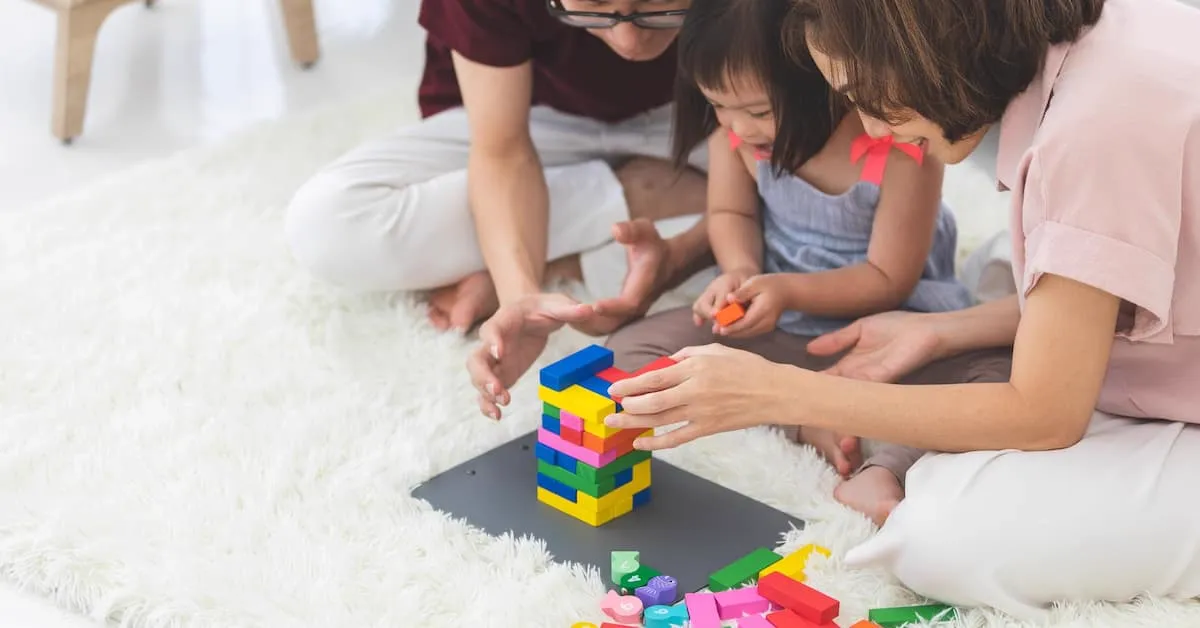
Sensory play involves activities that engage a child's senses—touch, sight, sound, smell, and taste—to support brain development. These experiences help children explore, investigate, and make sense of the world around them.
Sensory play is not only enjoyable but also essential for cognitive, social-emotional, and physical growth.
Swiss psychologist Jean Piaget, in his theory of cognitive development, emphasized the importance of sensory experiences in early childhood learning. He described the sensorimotor stage (birth to 2 years) as a crucial period when children develop an understanding of cause and effect by exploring their environment through touch, movement, and play. This hands-on engagement helps them build neural connections and refine motor skills.
From the feel of sand slipping through their fingers to the sound of leaves rustling in the wind, sensory play enhances children's ability to process information, develop motor skills, and strengthen neural connections. By engaging in such activities, children build a strong foundation for learning, creativity, and problem-solving.
4 Benefits of Sensory Play
Cognitive Development
Sensory play supports brain development by strengthening connections between neurons. It helps with:
Problem-solving skills
Memory retention
Language development
Critical thinking
Pre-math skills such as comparison, sorting, patterns, and matching
For example, when a child plays with water and observe how objects sink or float, they engage in early scientific reasoning.
Social-Emotional Growth
Through sensory experiences, children learn self-regulation, patience, and cooperation. Activities like playing with playdough in a group encourage sharing, taking turns, and expressing emotions in a safe environment. Sensory play also fosters adaptability, as children encounter new textures, sensations, and challenges that require them to adjust and respond.
For example, experimenting with different materials like transitioning from wet sand to dry sand teaches flexibility and problem-solving in unfamiliar situations. These experiences help children develop resilience and the ability to navigate changes with confidence.
Physical Development
Many sensory activities involve movement, which enhances fine and gross motor skills. Scooping, pouring, grasping, and squeezing all help strengthen muscles and improve hand-eye coordination, preparing children for writing and other essential tasks.
Awareness
Sensory play helps children become more aware of their bodies, environment, and emotions. Activities like walking on different surfaces improve balance and coordination, while exploring textures sharpens their ability to process sensations. Engaging with nature like feeling the warmth of the sun or hearing rustling leaves enhances curiosity and environmental awareness. Sensory play also supports emotional regulation; activities like water play or squeezing stress balls provide a calming effect, helping children express and manage emotions.
Sensory Play and Experiencing God’s Creation
Sensory play provides children with opportunities to explore God’s creation firsthand. The textures of leaves, the scent of flowers, the colors of the sky; all of these experiences deepen their appreciation for the world God made. This hands-on exploration nurtures a sense of wonder, gratitude, and stewardship.
Psalm 104:24 reminds us, "How many are your works, Lord! In wisdom, you made them all; the earth is full of your creatures." By encouraging children to engage with nature through sensory play, we help them develop a deeper connection to God’s intricate and beautiful design.
5 Types of Sensory Play Activities for Parents to Try at Home
Here are some simple and fun sensory play ideas that stimulate each of the five senses:
Touch: Play with kinetic sand, slime, or textured fabric swatches and incorporate finger painting during art activities and bath time with water-safe sensory toys, sponges, or foam letters.
Sight: Create a DIY sensory bottle filled with glitter and colored water to observe movement and light reflections.
Sound: Fill a sealed container with different materials (rice, beans, or bells) and shake to explore different sounds. Additionally, play different types of music such as classical, nature sounds, or upbeat rhythms to help children recognize patterns, tempos, and emotional expressions in sound.
Smell: Make homemade scented playdough using essential oils like lavender or lemon.
Taste: Engage in a blindfolded taste test with different fruits to explore flavors and textures.
Tips for Parents to Actively Engage in Sensory Play
Engaging actively in your child's sensory play can make the experience even more enriching. Join in the fun by participating in activities alongside them, modeling curiosity and creativity. Encourage open-ended exploration by allowing them to experiment freely without focusing on a specific outcome. Stimulate their thinking by asking questions like, "What does this feel like?" or "What do you notice when you mix these colors?"
To ensure a safe and enjoyable experience, provide non-toxic, age-appropriate materials and create a secure play environment. Additionally, limit screen time and replace passive activities with hands-on sensory experiences to enhance engagement and learning.
“‘Sensory play is a way for your kids to become more flexible and adaptable in other areas of their life,’ says Messer. ‘By engaging their senses and developing these skills, the world becomes much less scary because they have developed the right tools to handle whatever comes their way.’”
Choosing a School That Values Play-Based Learning
A child's early years are crucial for holistic development. Schools that integrate sensory play into their curriculum help nurture well-rounded, inquisitive learners. Sekolah Pelita Harapan (SPH) recognizes the importance of hands-on play and play-based learning, ensuring children develop cognitively, socially, and spiritually.
Through our Christian-based approach, we provide a rich learning environment where children engage in meaningful play while growing in faith. Parents seeking an education that values hands-on experiences and biblical principles will find SPH an ideal choice for their child’s growth.
Conclusion
Sensory play is a powerful tool for shaping a child's intelligence, creativity, and understanding of God's world. Incorporating sensory experiences at home and choosing a school that embraces play-based learning can provide their children with the best foundation for lifelong learning and faith.
Learn more about how we support our children with various learning activities, including sensory play, right here.

Share this blog post

Established in 1993, Sekolah Pelita Harapan (SPH) has become a trusted International Christian School in Jakarta providing Christian education for Indonesian and expatriate families. As a dedicated partner in education, SPH seeks to empower families with personalized programs and resources, fostering academic excellence, nurturing faith, building character, and facilitating their children's personal growth.