

Why Critical Thinking Skills Matter More Than Having All the Answers

“You got the right answer!” These are words many children love to hear, and many parents love to say.
Seeing children succeed, remember what they learned, and answer questions confidently is always a proud moment.
But what if the question does not have an obvious answer?
What if children need to figure things out, consider different ideas, and decide what makes sense?
In those moments, knowing the answer is not enough. Children need critical thinking skills to help them understand information, solve problems, and make thoughtful decisions.
Critical thinking does not mean children need to question everything or always come up with a completely new answer. It starts with something simple: being curious enough to ask questions, explore different ideas, and look deeper instead of stopping at the first answer they find.
Why Asking Questions is the First Step in Developing Critical Thinking Skill
“Why does this happen?”
“How do we know this is true?”
“What would happen if we tried another way?”
Questions like these are not simply signs that children are curious. They show that children are beginning to think more deeply about the world around them.
When children ask questions, they are not only looking for information. They are learning to examine ideas, understand reasons, and explore different possibilities.
This is where parents play an important role. When children ask “why,” it can be tempting to answer quickly. But sometimes, giving them a moment to think and explore their own ideas helps them develop stronger thinking habits.
However, developing critical thinking skills means going beyond asking questions. It also means learning how to find answers thoughtfully.
For example, when children hear a new piece of information, they can learn to ask:
Where did this information come from?
Is there evidence that supports it?
Are there other possible explanations?
These habits help children become more careful thinkers. Instead of immediately accepting everything they hear, they learn to pause, reflect, and make decisions based on understanding.
This is especially important today, when children are surrounded by information from many sources. Learning how to question and evaluate information helps them become more responsible learners.
Curiosity may encourage children to ask, “Why?” but critical thinking skills help them discover whether the answer makes sense.
Helping Children Analyze and Make Connections
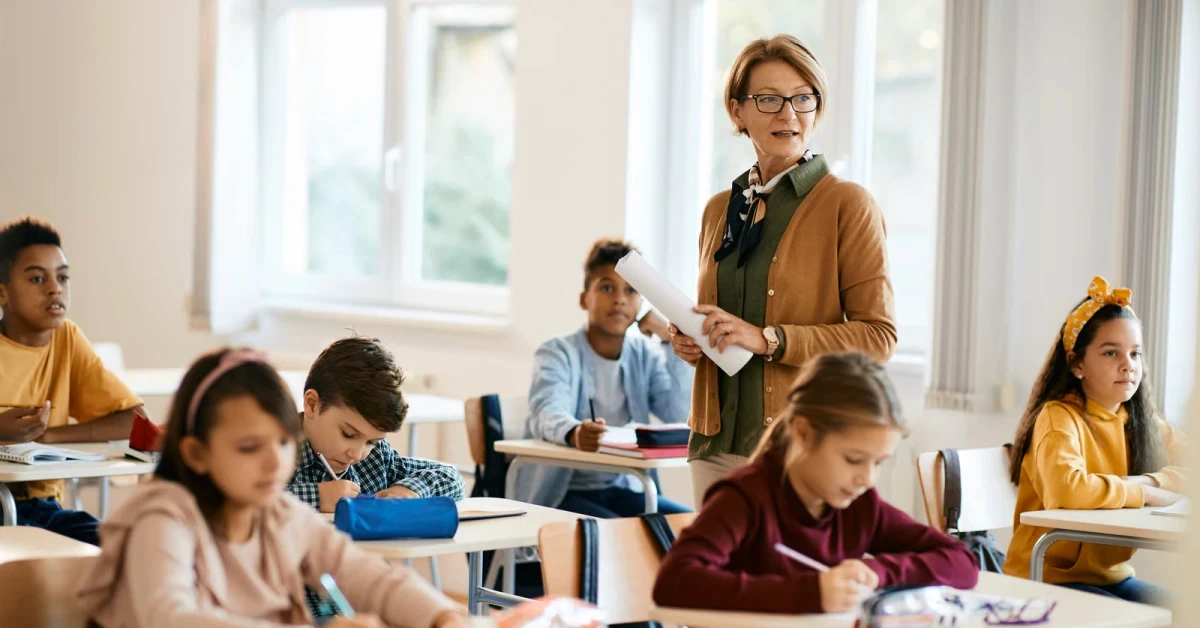
Children naturally experience the world through observation. They notice patterns, compare things, and try to understand how different situations connect.
Critical thinking helps them take these observations one step further.
Instead of simply memorizing that plants need sunlight and water, for example, children can begin thinking:
“What happens if a plant does not get enough sunlight?”
“Why do some plants grow differently from others?”
“How does the environment affect growth?”
These questions encourage children to connect information instead of keeping knowledge in separate pieces.
This ability to analyze and make connections helps children solve problems more effectively. They learn that challenges are not always about finding one correct answer. Sometimes, they need to look at the situation from different angles and consider different possibilities.
In everyday life, this might look simple. A child deciding how to build a stronger block tower, figuring out why a science experiment did not work, or finding a solution when a game does not go as planned are all opportunities to practice thinking.
Through these experiences, children learn that mistakes and challenges are not signs that they cannot succeed. They are opportunities to rethink, adjust, and try a different approach.
Learning to Ask Better Questions and Find Better Solutions
Not all questions lead to deeper understanding.
A child can ask many questions, but critical thinking skills develop when children learn to ask questions that help them explore a problem more carefully.
For example, instead of only asking: “Which answer is correct?”
Children can learn to ask:
“Why is this answer correct?”
“How did we reach this conclusion?”
“Is there another way to solve this problem?”
These questions encourage children to think beyond memorization.
This does not mean children need to analyze every small thing they encounter. Rather, they learn to slow down when something requires deeper thought.
When facing a challenge, children with strong critical thinking skills are more likely to consider different options before making a decision. They can look at possible outcomes, learn from mistakes, and adjust their approach when their first attempt does not work.
This ability becomes valuable not only in school but also in everyday situations. Whether children are solving a difficult assignment, working with others, or making choices in the future, learning how to think through problems helps them become more independent.
5 Ways Children Develop Critical Thinking Skills
Developing critical thinking skills does not happen overnight. Children build these skills through repeated experiences where they learn how to think, question, and make decisions.
Here are some ways children gradually develop critical thinking:
By Learning to Ask “Why” and “How”
Children develop stronger thinking skills when they are encouraged to look beyond the surface. Instead of only memorizing information, they learn to ask questions like, “Why does this happen?” or “How does this work?” These questions help children understand the reasons behind something and build the habit of looking for deeper understanding.
By Discussing Ideas with Others
Children also develop critical thinking through conversations. When they share their thoughts, explain their opinions, and listen to different perspectives, they learn that problems can have more than one possible approach.
Through these discussions, children practice considering ideas carefully instead of immediately accepting the first answer they hear.
By Solving Problems and Learning from Mistakes
Challenges give children opportunities to practice thinking independently. When something does not work as expected, children learn to identify the problem, consider different solutions, and decide what they can try next.
Mistakes become valuable learning moments because they teach children how to reflect, adjust, and improve.
By Connecting Learning to Real Experiences
Children understand ideas more deeply when they can apply them in real situations. Activities, projects, experiments, and everyday challenges allow children to use what they know and see how their thinking can help them solve problems.
Over time, these experiences help children become learners who do not only remember information but also know how to analyze, evaluate, and use it.
Children develop critical thinking skills not only through lessons at school, but also through small moments at home. The way parents respond to their questions, ideas, and mistakes can shape how children learn to think.
By Having Time to Think Before Finding an Answer
Sometimes, the best way to help children think is not by giving them the answer immediately. When children ask a question, parents can give them time to share their thoughts first.
Instead of saying, “The answer is...” try asking:
“What do you think?”
“Why do you think that happened?”
“How could we find out?”
These simple questions encourage children to think independently and become more confident in sharing their ideas.
Why Critical Thinking Skills Matter for Children’s Future Success
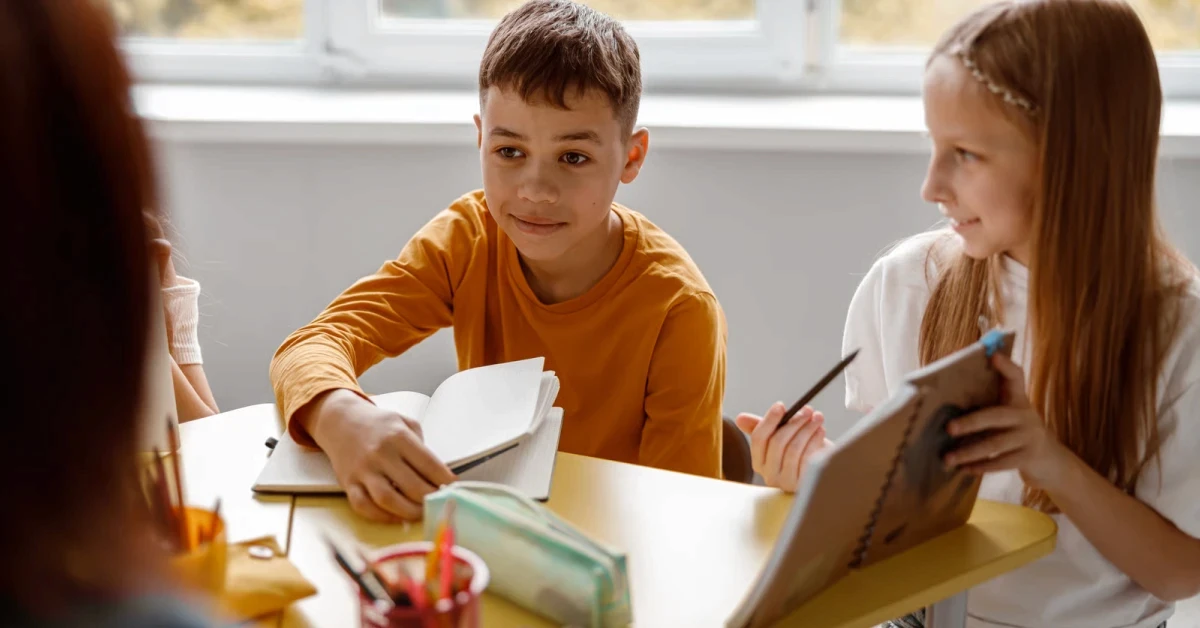
The world children will grow up in may look very different from the world we know today.
New technology, changing information, and unexpected challenges mean children cannot rely only on memorized facts. What they learn today is important, but they also need the ability to adapt when they encounter something new.
This is why critical thinking skills are valuable for the future.
Children who learn how to think critically are better prepared to:
Make thoughtful decisions instead of simply following what others say.
Recognize unreliable information and consider whether something is true.
Approach unfamiliar problems with confidence and creativity.
Understand different perspectives before forming conclusions.
For example, when children encounter information online, they need more than the ability to read it. They need to think about where it came from, whether it is trustworthy, and how they should respond.
Having all the answers may help children succeed in a specific moment. But knowing how to think helps them continue learning throughout their lives.
This is also where curiosity and critical thinking work together. Curiosity encourages children to ask, “Why?” and explore new ideas, while critical thinking helps them examine those ideas carefully and understand them more deeply.
Parents can also continue this learning process at home by encouraging conversations, listening to their children’s ideas, and showing that questions are a valuable part of learning.
Curiosity starts the journey. Critical thinking helps children navigate it.
Building Thoughtful Learners Through Inquiry-Based Learning at SPH
Helping children develop critical thinking skills is not only about teaching them how to find answers. It is about creating an environment where they feel encouraged to ask, explore, reflect, and grow.
At Sekolah Pelita Harapan (SPH), we believe every child is uniquely created by God, with different strengths, abilities, and ways of learning. Because of this, education is not only about memorizing information or achieving the correct answer. It is about helping students develop wisdom and use their God-given abilities with purpose.
As an international school in Indonesia, SPH provides a learning environment where students are encouraged to explore ideas, ask thoughtful questions, and develop a deeper understanding of the world around them.
Through inquiry-based learning, students are guided to investigate topics, make connections, and reflect on what they discover. Teachers support students not only in finding answers but also in understanding the thinking process behind those answers.
As children learn to seek answers and explore new ideas, it is also important to remember where true wisdom comes from. In Christianity, truth is ultimately found in God. Curiosity is valuable because it motivates us to seek, ask questions, and grow in understanding. When children learn to explore the world with humility and wisdom, they are not simply collecting information. They are developing a deeper appreciation for God’s creation and the truth found through Him.
Proverbs 1:7 reminds us:
“The fear of the LORD is the beginning of knowledge, but fools despise wisdom and instruction.”
This verse reminds us that true knowledge begins with recognizing God as the source of wisdom. As children ask questions, seek understanding, and develop their ability to think carefully, they can be guided to pursue knowledge with humility and purpose.
At SPH, we walk alongside families to help children become thoughtful learners who have the confidence, character, and faith to use their God-given gifts in meaningful ways.
Through inquiry-based learning and a supportive community, students are encouraged to not only know more but also understand more, think deeply, and grow into individuals who can make a positive impact.

Share this blog post

Established in 1993, Sekolah Pelita Harapan (SPH) has become a trusted International Christian School in Jakarta providing Christian education for Indonesian and expatriate families. As a dedicated partner in education, SPH seeks to empower families with personalized programs and resources, fostering academic excellence, nurturing faith, building character, and facilitating their children's personal growth.