
Why Is Early Childhood Education Important and What Are Its Real Benefits for Child Development?
Mar 4, 2026
Many parents still view Early Childhood Education (ECE) or preschool as little more than a daycare option during working hours.
In reality, the quality of education during a child's earliest years plays a significant role in shaping the way they think, socialize, and understand the world around them.
This common misconception often leads to key developmental potential being overlooked during the most formative stage of a child's life.
During the early stages of growth, children are highly receptive to guidance, structure, and meaningful learning experiences. This period lays the foundation for learning patterns, character, and habits that can carry through to every stage of education that follows.
Investing in education from an early age is not about rushing childhood — it is about ensuring children receive the right foundation to grow with confidence, curiosity, and resilience.
The Long-Term Impact of Early Childhood Education
Research shows that high-quality early childhood education delivers benefits that last well beyond the preschool years. Beyond academic readiness, children learn to socialize, solve problems, and build self-confidence.
Education at this stage also helps establish the social, emotional, and cognitive foundations that will shape a child's learning journey in the years ahead.
Socialization: Learning the Unwritten Curriculum
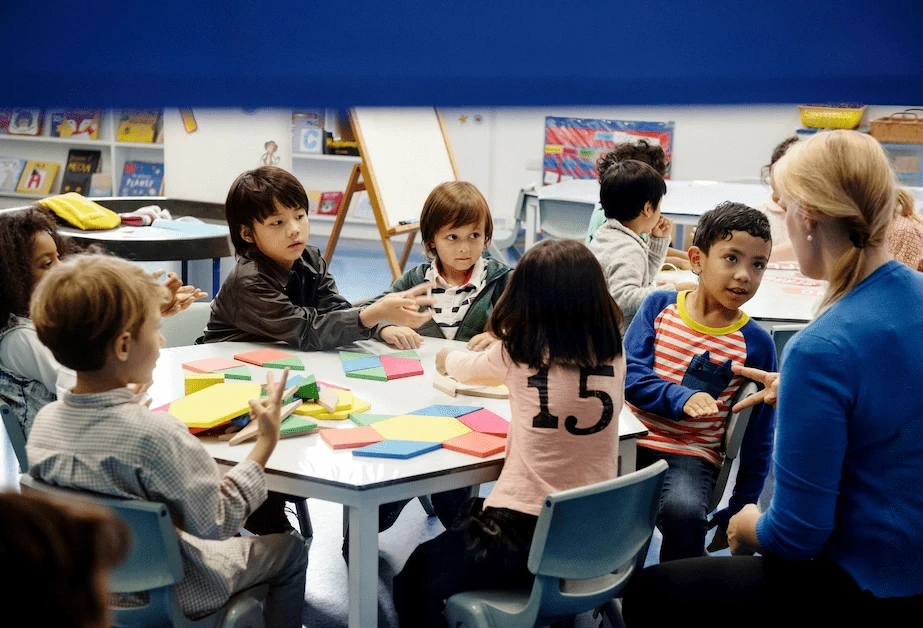
Beyond academics, one of the most significant benefits a child experiences when entering preschool is the opportunity to interact with peers in a classroom setting.
Through these interactions, children learn to share, take turns, resolve small conflicts, and follow directions from their teachers.
These seemingly simple skills form a vital foundation for healthy social relationships and help children transition more smoothly into the next stages of their education.
Academic Readiness: Building a Strong Foundation
Early childhood education supports academic readiness through the introduction of early literacy and numeracy skills.
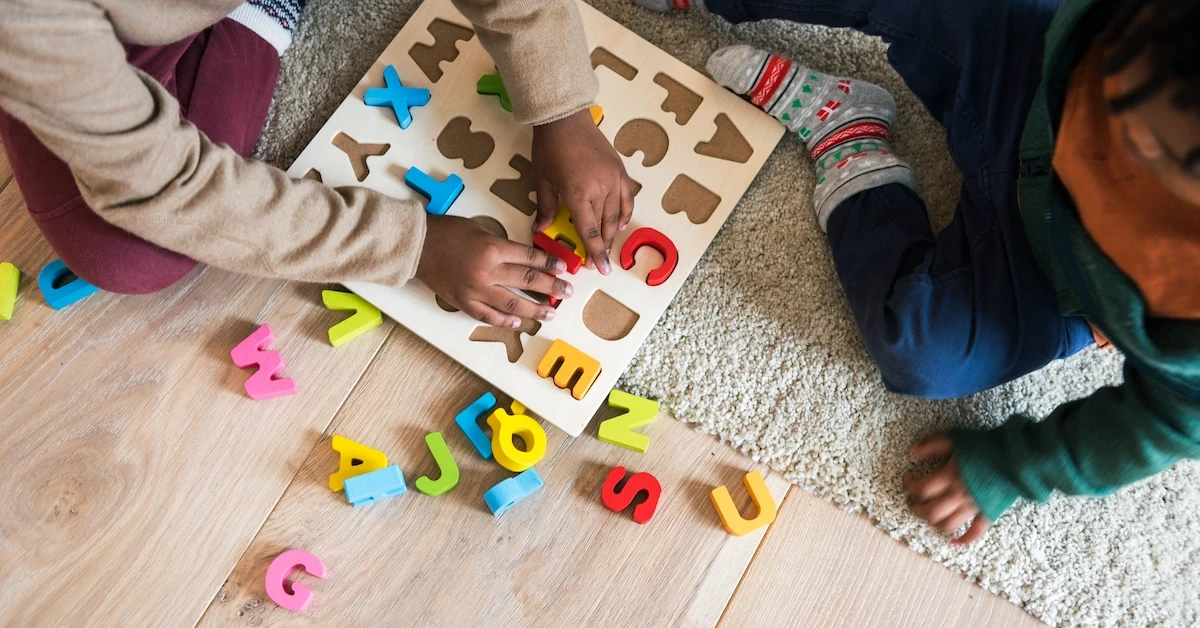
Children begin to recognize letters, understand that written words carry meaning, expand their vocabulary through stories and conversations, and learn to count, identify patterns, and recognize shapes.
When these foundational skills are introduced in a developmentally appropriate way, children enter primary school feeling prepared — not pressured. They are already familiar with classroom routines and more confident in actively participating in the learning process.
Building Self-Confidence
A safe and structured learning environment gives children the space to try new things without excessive fear. They can experiment with ideas, face small challenges, and gradually build independence.
Confidence grows from small successes — completing a puzzle, speaking in front of friends, or trying a new activity.
Over time, these positive experiences shape a strong sense of self-belief that will help children face both academic and social challenges in the future.
Read Also: Factors That Shape a Child's Character from an Early Age and Tips for Parents
Purposeful Play in Early Childhood Education
At SPH, play is a core part of our program — not simply a way to fill time. Every play-based activity is intentionally designed to support children's social, language, motor, and cognitive development.
When children engage in role play, they practice language skills and social interaction. When they build with blocks, they develop coordination and problem-solving abilities. Outdoor physical activities promote teamwork and physical resilience.
Our educators carefully observe and guide the play process, ensuring every activity becomes a joyful and meaningful learning experience.
Why the Learning Environment Matters During a Child's Golden Years
The first five years of life are often called the "miracle years" because of the rapid pace of brain development. It is during this phase that the learning environment has the greatest influence on how a child thinks, responds to emotions, and develops a sense of curiosity.
A warm and supportive environment encourages children to take risks, ask questions, and bounce back from mistakes.
When children feel emotionally safe, they become more open to new experiences and more engaged in the learning process. Conversely, an environment that is overly rigid or unresponsive can limit a child's curiosity and willingness to participate.
A Christian Perspective on Early Childhood Education
From a Christian perspective, early childhood education holds a deeper meaning. Proverbs 22:6 reminds us to "train up a child in the way he should go."
This verse highlights the responsibility and the unique privilege that parents and educators have in guiding children from an early age.
At SPH, we believe that education is a form of obedience to God's calling. Teaching children to observe nature, count objects, create artwork, and express ideas is a way for them to engage with God's creation.
Every small discovery becomes an opportunity to recognize the order, creativity, and purpose found in His creation.
Kindergarten or preschool is the first place where we ignite the potential that God has placed in every child. Rather than forcing children into a set mold, our educators focus on identifying and nurturing each child's unique strengths. Through this approach, a child's learning journey reflects both academic excellence and a strong foundation of faith.
Read Also: Faktor Pembentuk Karakter Anak Sejak Dini dan Tipsnya Bagi Orang Tua
Purposeful Play in Early Childhood Education
At SPH, play is a core part of our program — not simply a way to fill time. Every play-based activity is intentionally designed to support children's social, language, motor, and cognitive development.
When children engage in role play, they practice language skills and social interaction. When they build with blocks, they develop coordination and problem-solving abilities. Outdoor physical activities promote teamwork and physical resilience.
Our educators carefully observe and guide the play process, ensuring every activity becomes a joyful and meaningful learning experience.
Why the Learning Environment Matters During a Child's Golden Years
The first five years of life are often called the "miracle years" because of the rapid pace of brain development. It is during this phase that the learning environment has the greatest influence on how a child thinks, responds to emotions, and develops a sense of curiosity.
A warm and supportive environment encourages children to take risks, ask questions, and bounce back from mistakes.
When children feel emotionally safe, they become more open to new experiences and more engaged in the learning process. Conversely, an environment that is overly rigid or unresponsive can limit a child's curiosity and willingness to participate.
A Christian Perspective on Early Childhood Education
From a Christian perspective, early childhood education holds a deeper meaning. Proverbs 22:6 reminds us to "train up a child in the way he should go."
This verse highlights the responsibility and the unique privilege that parents and educators have in guiding children from an early age.
At SPH, we believe that education is a form of obedience to God's calling. Teaching children to observe nature, count objects, create artwork, and express ideas is a way for them to engage with God's creation.
Every small discovery becomes an opportunity to recognize the order, creativity, and purpose found in His creation.
Kindergarten or preschool is the first place where we ignite the potential that God has placed in every child. Rather than forcing children into a set mold, our educators focus on identifying and nurturing each child's unique strengths. Through this approach, a child's learning journey reflects both academic excellence and a strong foundation of faith.
Read Also: Pendidikan Karakter: 6 Langkah Praktis untuk Orang Tua
Choosing the Right Environment for Your Child's Growth
Choosing where your child will learn is one of the most important decisions a parent makes during the early developmental years. This decision goes beyond convenience or location — it is about selecting the "right soil" where your child can truly flourish.
Healthy soil provides stability, nourishment, and room to grow. In the same way, a high-quality learning environment supports intellectual development, social confidence, and spiritual formation.
Early childhood education is intentionally designed to support the holistic development of every child — academically, emotionally, physically, and spiritually. Through a commitment to the values of God's Word and strong educational practices, SPH partners with families to provide a foundation that lasts.
Early childhood education is not merely preparation for the next stage — it is the beginning of a lifelong learning journey.
With the right investment today, parents give their children the tools, character, and confidence to thrive in the future.
If you are looking for a kindergarten in Jakarta that takes a holistic approach and supports your child's overall growth, contact SPH to discover how our programs can become the best foundation for your child.
Share this blog post

Established in 1993, Sekolah Pelita Harapan (SPH) has become a trusted International Christian School in Jakarta providing Christian education for Indonesian and expatriate families. As a dedicated partner in education, SPH seeks to empower families with personalized programs and resources, fostering academic excellence, nurturing faith, building character, and facilitating their children's personal growth.