
Separation Anxiety in Early Childhood: How Parents Can Help Their Child Feel Safe
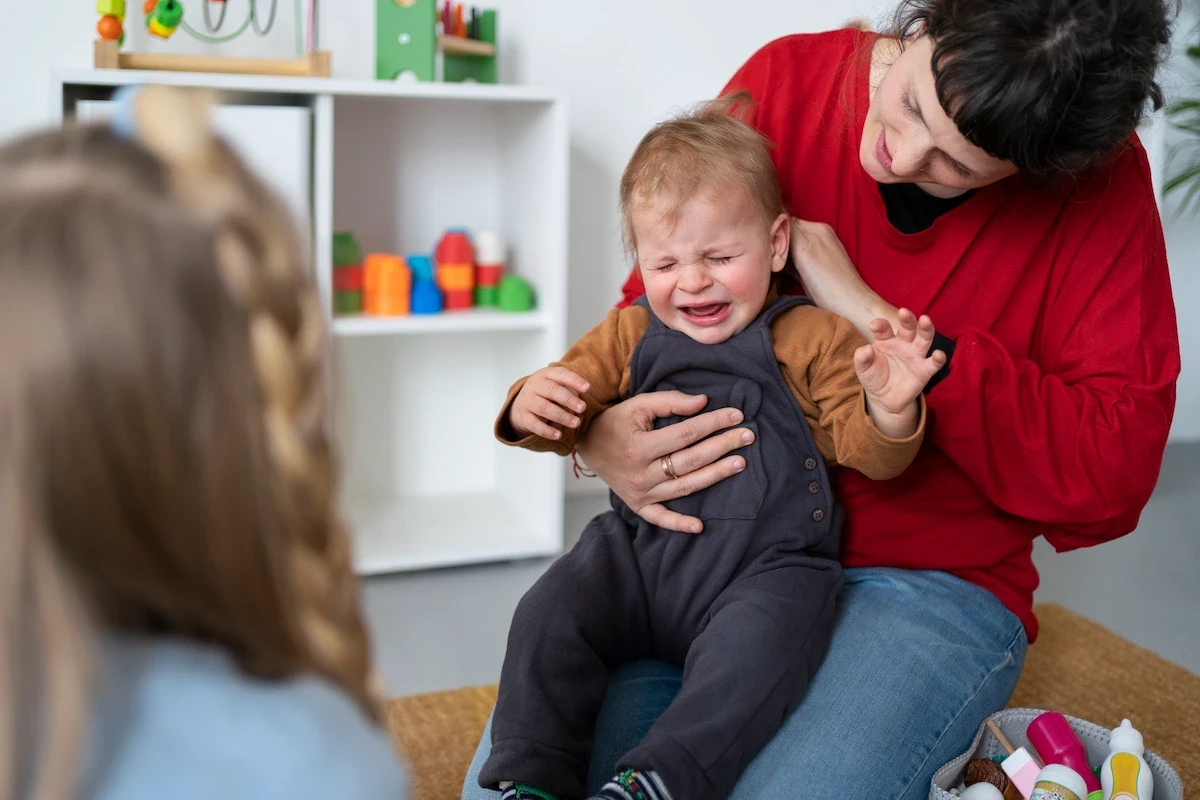
Separation anxiety in early childhood often shows up in the smallest moments, when your child grips your hand a little tighter or watches you walk away just a second too long. What should be a simple goodbye suddenly feels heavy and emotional.
If this feels familiar, you are not alone. This is not a sign of weakness, but a reflection of your child’s deep need for safety, comfort, and connection with you.
Let us walk with you through the insights and guidance below, so you can better understand what your child is feeling and how to support them with confidence.
Why Separation Anxiety In Early Childhood Happens (And Why It’s Actually a Good Sign)
Separation anxiety in early childhood is a normal part of emotional development, even though it can feel intense for both the child and the family.
When separation anxiety occurs, it often signals healthy attachment and trust rather than a problem with the child’s mental health.
It Happens Because Your Child Is Developing Awareness
Based on research from the University of Nevada separation anxiety most commonly appears during infancy and early toddlerhood, typically peaking between 9 and 18 months.
At this age, children develop awareness that parents and caregivers can leave, but they do not yet understand that separation is temporary.
Because of this developmental stage, the child feels fear when separated from their attachment figures, even when they are safe.
Your Child’s Distress Reflects Attachment, Not Weakness
Your child’s separation anxiety reflects trust, not fragility or emotional weakness. The child feels safe with you, so their distress happens because you are their main source of comfort and security.
When that source is suddenly absent, the child protests as a natural response to feeling separated from what helps them feel safe.
Normal Separation Anxiety Is Different From Clinical Anxiety
Normal separation anxiety is expected in young children, especially during early childhood and preschool age.
Separation anxiety disorder, on the other hand, is classified as an anxiety disorder in the Diagnostic and Statistical Manual when symptoms are severe, persistent, and disrupt daily life.
This distinction helps parents understand when anxiety is a normal part of development and when professional support may be needed.
Read Also: Why Outdoor Play in Early Childhood Matters?
What Separation Anxiety Can Look Like in Everyday Life
Separation does not always cause dramatic reactions, but it often appears in small changes that parents may overlook.
Recognizing these anxiety symptoms early helps prevent separation anxiety disorder and supports a healthy treatment plan.
Emotional and Behavioral Reactions at Separation
Some children cry, cling, or refuse to let go when separated from a caregiver, while others become quiet and withdrawn.
The child feels anxious because they fear harm coming when they are not near their family members. These reactions are not manipulation, but a normal response to separation in childhood.
Physical Complaints Without a Medical Cause
Separation anxiety can also appear as stomach aches, headaches, or nausea, even when no illness is present.
The child feels stress in their body because emotional anxiety often shows up physically. These symptoms are common signs of child’s anxiety and should not be dismissed.
Changes in Routine and Mood Before Separation
Some children become withdrawn, irritable, or overly quiet hours before a separation happens.
They may experience repeated nightmares, trouble with sleep, or increased worry about school or child care. These behaviors reflect separation distress, not disobedience, and show that the child is struggling to feel safe when separated.
Read Also: Fun and Easy Preschool Learning Activities at Home
What Actually Helps Children Through Separation
There is no single strategy that works for every child, but consistency and calm are far more powerful than perfection.
With that in mind, here are a few practical steps that can gently support children through separation. Here’s a 4-step guide for parents to deal with separation anxiety:
Practice leaving on purpose.
Short, predictable separations teach children an essential truth: goodbye is always followed by reunion.
When separation anxiety occurs in young children, their fear often comes from not knowing whether a caregiver will return, not from the separation itself.
Practicing brief separations helps children feel safe and builds trust in their attachment figures.
Over time, this reduces separation distress and supports healthy emotional development without escalating into separation anxiety disorder symptoms.
Create a goodbye that doesn’t change.
A consistent goodbye routine gives children a sense of structure and emotional safety during separation.
When a child knows what will happen and what words or gestures will be shared, their anxiety decreases because the situation feels predictable.
This is especially important in early childhood and preschool age, when children depend on routines to regulate their emotions. Predictability helps children feel calmer and strengthens their sense of security even when they are separated.
Leave with confidence, not guilt.
Children are highly sensitive to the emotional signals of adults, especially parents and primary caregivers.
When a parent appears anxious, hesitant, or overly apologetic, a child may interpret this as danger, increasing their child’s anxiety.
Calm, confident goodbyes communicate that separation is safe and temporary, reducing the risk of anxiety symptoms growing into separation anxiety disorder or other mental disorders such as generalized anxiety disorder or panic disorder. Your emotional tone becomes the child’s emotional guide.
Never disappear without saying goodbye.
Sneaking away may seem like a quick solution, but it can undermine a child’s sense of security.
Children who experience unexpected separations may become more anxious the next time, fearing that a parent could leave at any moment.
A clear, loving goodbye, even when it is hard, builds trust and helps children learn that separation does not mean abandonment.
Read Also: When is the Best Time to Start Kindergarten? A Guide for Parents Seeking God’s Timing
How Faith and Community Help Children Feel Safe During Separation
Separation can feel heavy for both children and parents, especially when anxiety begins to shape daily routines. In early childhood, faith and a supportive community help children feel safe while learning that separation is a normal part of growing.
Faith Helps Children Build Inner Security
True confidence and a sense of security develop when children see calm, trust, and consistency modeled by their parents. Psalm 27:1 reflects this truth: “The LORD is my light and my salvation – whom shall I fear? The LORD is the stronghold of my life – of whom shall I be afraid?”
When parents model trust in God, children learn that safety does not disappear just because separation happens.
This helps the child feel calmer and reduces anxious reactions such as fear, worry, and disrupted sleep.
Over time, faith supports the child’s development by building inner security, even when they are separated from their attachment figures.
Partnership Between Parents and Teachers Creates Stability
Children cope better with separation when parents and teachers provide consistent support across home and school.
Feeling understood by both family and caregivers helps reduce anxiety symptoms and supports healthy childhood routines.
Early childhood classrooms at Sekolah Pelita Harapan are designed to support both academic readiness and emotional security. Teachers partner closely with families, ensuring that transitions are handled gently and intentionally.
Read Also: The Role of Parents in Early Childhood Education
A Final Reassurance for Parents
If separation feels hard, it’s because it matters. But it will not last forever.
Your child’s tears do not mean you are failing. They mean your child feels deeply, and that capacity, when guided with patience and love, becomes strength.
With time, consistency, and trust, separation anxiety softens. And what remains is something beautiful: confidence, resilience, and the knowledge that love does not disappear just because you step away.
Choosing a School That Supports Your Child’s Emotional Growth
We understand how heavy separation can feel, not only for children, but also for us as parents and educators who care deeply about their emotional well-being.
At this stage of early childhood, a supportive school environment makes a meaningful difference in helping children feel safe, understood, and confident as they grow.
At Sekolah Pelita Harapan, we walk alongside families through every transition with compassion and faith.
We create classrooms where children are welcomed with warmth, guided with patience, and supported through consistent routines that nurture both emotional security and academic readiness.
If you are looking for a preschool Jakarta that truly cares about your child’s emotional growth, or an international school Indonesia that partners closely with families, we would love to journey with you.
Connect with us to learn how we can support your child as they grow in confidence, resilience, and trust!

Share this blog post

Established in 1993, Sekolah Pelita Harapan (SPH) has become a trusted International Christian School in Jakarta providing Christian education for Indonesian and expatriate families. As a dedicated partner in education, SPH seeks to empower families with personalized programs and resources, fostering academic excellence, nurturing faith, building character, and facilitating their children's personal growth.