

Healthy Habits for Kids: 4 Daily Routines That Build Lifelong Well-being

A child’s well-being is usually shaped by something much simpler. It grows through the small choices repeated each day.
Parents often think about their children’s well-being in terms of big concerns. Illness, nutrition, academic pressure, and mental health can feel like major challenges that must be carefully managed.
While these concerns are valid, a child’s well-being is usually shaped by something much simpler. It grows through the small choices repeated each day.
Daily rhythms such as getting enough sleep, drinking enough water, moving the body, and taking breaks from screens quietly shape a child’s health and development.
These habits may appear ordinary, yet they form the foundation of lifelong wellbeing. When children practice healthy routines early in life, they carry these patterns into adolescence and adulthood.
Building Healthy Habits for Kids Through 4 Daily Pillars
For parents, this means that building healthy habits for kids does not require complicated systems.
It begins with consistent routines practiced at home. Four daily pillars can help families nurture healthy lifestyles that support children physically, mentally, and spiritually:
Restful Sleep to Support Brain Development
Sleep plays a crucial role in shaping a child’s brain, emotional balance, and academic performance.
During rest, the body releases growth hormones that support physical development and overall good health.
Without enough rest, children often struggle with focus, mood regulation, and energy levels. Over time, sleep deprivation can affect learning and overall health.
You can encourage your child to follow a good bedtime routine by keeping evenings calm and reducing screen time before bed. Simple habits like reading or dimming the lights help signal that it is time to rest.
Younger children typically need between 9 and 12 hours of sleep each night, while teenagers need around 8 to 10 hours.
When families prioritize sleep as a daily habit, children gain the rest they need for healthy growth and learning.
Nutritional Stewardship for a Healthy Relationship with Food
Many parents encourage their children to eat vegetables and balanced meals. However, healthy eating habits become more meaningful when children understand why food matters.
Food provides energy that helps the body function well. It supports concentration in the classroom, fuels physical activity, and strengthens the immune system.
When children view food as nourishment rather than a rule to follow, they begin to develop a healthier relationship with eating.
Parents can help children understand this idea by explaining how different foods support the body. Fruits and vegetables provide vitamins. Protein helps muscles grow. Whole grains provide lasting energy.
Family meals also play an important role. Eating together allows parents to model balanced choices while creating meaningful conversations around the table. These moments help children see healthy eating as part of everyday life rather than a restriction.
Active Play to Promote Physical and Emotional Health
Children today often spend long hours sitting in classrooms or using digital devices. Physical movement is essential to balance these sedentary activities.
Active play strengthens muscles and bones, improves coordination, and supports heart health. Movement also contributes to emotional well-being. Running, climbing, and playing outdoors allow children to release energy and reduce stress.
Health experts generally recommend at least 60 minutes of physical activity each day for school-aged children.
This does not require structured sports programs. Activities such as riding a bicycle, playing tag, exploring a park, or dancing at home can all encourage healthy movement.
Play also supports creativity and social skills. When children engage in active play with friends and family members, they practice cooperation, communication, and problem-solving.
Digital Detox to Protect Mental Well-being
Technology plays a significant role in modern education and communication. Digital tools can support learning and creativity. However, excessive screen time can affect sleep, attention span, and emotional well-being.
Children benefit from clear boundaries around technology use. Designating certain times or spaces as screen-free can help create a healthier balance. For example, many families choose to keep bedrooms and mealtimes free from devices.
Encouraging alternative activities also helps children discover meaningful ways to spend their time. Morning or evening walks, reading, drawing, outdoor play, and creative hobbies provide opportunities for imagination and relaxation.
When parents model healthy technology habits themselves, children learn that digital devices are tools rather than constant companions.
Read Also: Do Your Children Have Lots of Homework To Do? Here Are Homework Tips for Parents
A Biblical Perspective on Caring for Our Bodies
For Christian families, healthy habits are not only about physical health. They also connect to a deeper understanding of stewardship.
In 1 Corinthians 6:19–20, Scripture reminds believers that the body is a temple of the Holy Spirit and that our lives belong to God. This perspective encourages gratitude for the bodies we have been given.
Caring for our bodies, therefore, becomes an act of stewardship. Healthy routines such as proper rest, nourishing food, physical activity, and balanced technology use help us care for God’s creation.
These habits are not motivated by appearance or performance. They reflect respect for the gift of life that God has entrusted to us.
Parents can share this understanding with their children by explaining that taking care of their bodies honors God. Daily habits then become part of living faithfully.
Read Also: Productive Free Time Activities for Kids and Teens
Practical Ways for Parents to Build Healthy Habits in Kids
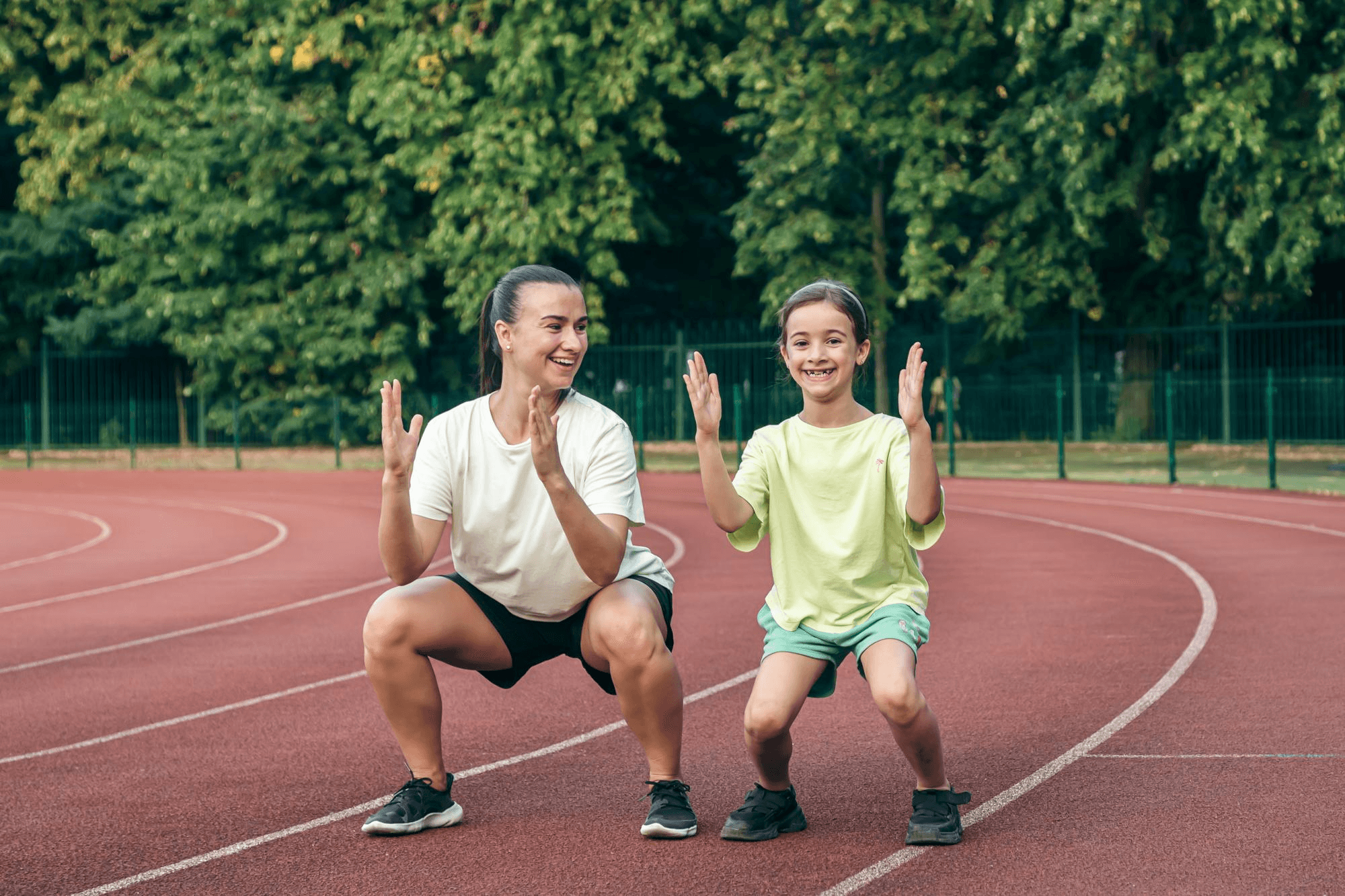
Parents play a key role in shaping daily routines that influence how your child thinks, behaves, and grows.
By taking simple and consistent steps at home, you can help your child develop healthy habits that feel natural and sustainable over time.
Teaching Healthy Habits Through Example
Children learn far more from observation than instructions. When parents practice healthy habits themselves, children naturally follow those patterns.
A family that values rest will prioritize bedtime routines. A family that enjoys outdoor activity will make time for walks, sports, or play. When parents limit their own screen time, children begin to see technology in a balanced way.
These examples create a home environment where healthy choices feel normal and achievable.
A Simple Habit Tracker for the Whole Family
Families can make healthy routines more engaging by tracking daily habits together. A simple chart placed on the refrigerator or family notice board can help children visualize their progress.
The tracker may include habits such as:
Getting enough sleep
Drinking water throughout the day
Spending time in active play
Limiting screen time
Reading or engaging in creative activities
Each family member can mark their progress daily. This shared activity encourages accountability while also creating opportunities for encouragement and celebration.
Over time, these small routines become natural parts of everyday life.
Building Healthy Habits That Last a Lifetime
Healthy habits for kids are not built overnight. They develop through consistent routines practiced day after day.
Small decisions related to sleep, nutrition, physical activity, and technology gradually shape a child’s well-being.
When parents guide their children toward these habits and model them at home, they are investing in their children’s future health and character.
Children who grow up with strong daily rhythms gain more than physical strength. They develop the clarity, energy, and resilience needed to pursue the purpose God has prepared for them.
Partnering with Schools to Support Healthy Habits
Healthy habits become stronger when children experience the same values both at home and at school. Parents play an essential role in shaping daily routines, yet schools also influence how children understand wellbeing.
At Sekolah Pelita Harapan (SPH), students are supported through a learning environment that encourages healthy routines and balanced lifestyles.
Read Also: Self-Regulation in Children: 5 Easy Steps Parents Can Try
What Does SPH Offer for You and Your Children?
Sekolah Pelita Harapan believes learning goes beyond the classroom by helping students build habits that support their overall well-being.
The school creates an environment where children not only stay active, but also understand why caring for their bodies matters in their daily lives.
Through Physical Education classes, students actively engage in movement while learning how it supports strength, coordination, and long-term health.
These sessions are not treated as routine activities, but as meaningful experiences that help children develop an active lifestyle they can carry beyond school.
More importantly, SPH connects physical activity with other essential aspects of well-being.
Through guided learning and structured routines, students begin to see how sleep, nutrition, and movement work together to support a balanced life. This approach helps them build awareness, not just follow instructions.
The school also places strong emphasis on emotional and social development.
With supportive teachers and a nurturing environment, students learn to develop self-discipline, confidence, and a sense of balance in how they manage their daily routines.
When families and schools work hand in hand, children receive consistent guidance both at home and in school.
Support Your Child’s Growth with the Right Foundation Now!
Strong habits grow faster when children receive consistent guidance at home and at school.
Through the early years foundation stage at Sekolah Pelita Harapan, you can help your child build healthy routines while developing confidence and balance from an early age.
Take the next step by contacting SPH and give your child the environment they need to grow and thrive.
Share this blog post

Established in 1993, Sekolah Pelita Harapan (SPH) has become a trusted International Christian School in Jakarta providing Christian education for Indonesian and expatriate families. As a dedicated partner in education, SPH seeks to empower families with personalized programs and resources, fostering academic excellence, nurturing faith, building character, and facilitating their children's personal growth.