

Understanding Neurodivergent Children: Symptoms, Spectrum, and Unique Strengths
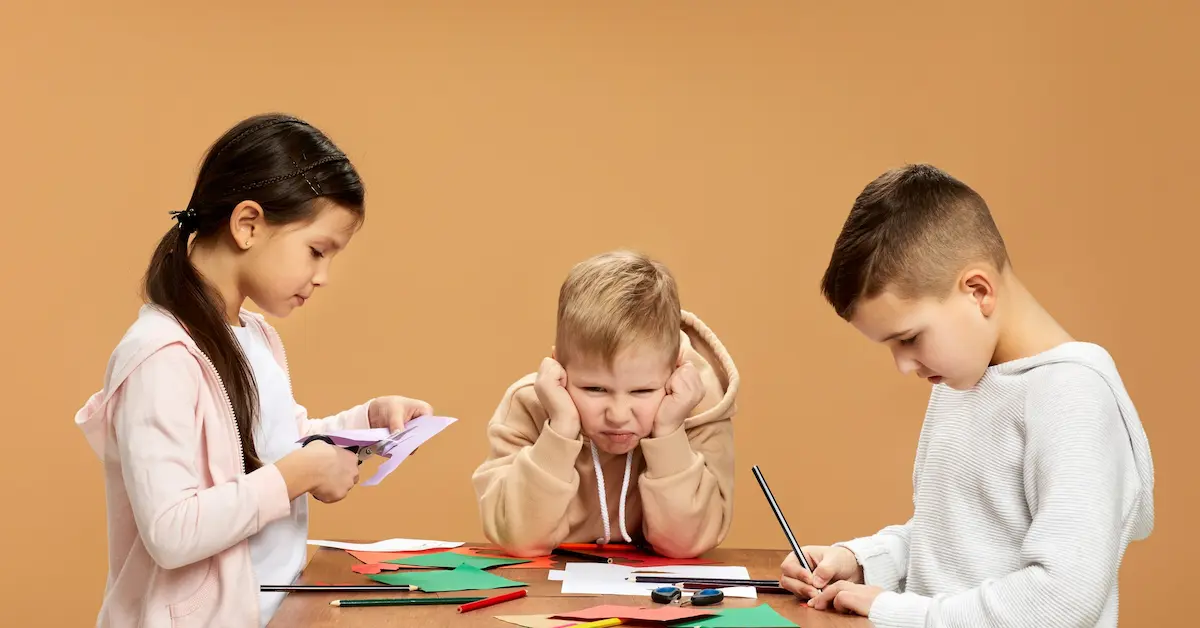
Being neurodivergent does not mean a child is less capable. Rather, it means their brain may process information, learning experiences, and social interactions differently.
Every child learns, thinks, and experiences the world differently.
Some children seem to notice details that others overlook. Some become deeply absorbed in topics they love. Others may be highly sensitive to sounds, textures, or changes in routine. While these differences can sometimes raise questions for parents, they are also reminders that there is no single way for a human mind to work.
In recent years, the term neurodiversity has helped shift the conversation from asking, "What is wrong?" to asking, "How does this child experience the world?"
For many families, this shift can be both comforting and empowering.
What Does It Mean to Be Neurodivergent?
Neurodiversity refers to the natural variation in how human brains develop and function.
Just as people have different personalities, talents, and learning preferences, they may also process information, communicate, focus, and interact with the world in different ways.
A person whose brain functions differently from what is considered typical may be described as neurodivergent.
This umbrella term includes conditions such as:
Autism Spectrum Disorder (ASD)
Attention-Deficit/Hyperactivity Disorder (ADHD)
Dyslexia
Dyspraxia
Dyscalculia
Other neurological and learning differences
Being neurodivergent does not mean a child is less capable. Rather, it means their brain may process information, learning experiences, and social interactions differently.
Understanding these differences is often the first step toward helping children thrive.
Read Also: Responsive and Gentle Parenting: A Christian Guide to Raising Emotionally Healthy Kids
A Journey Many Parents Know Well
Many parents begin noticing early signs that their neurodivergent kids may experience the world through natural differences in learning, behavior, or sensory processing.
A child might struggle with loud environments, sometimes covering ears in overwhelming situations, while also showing strong memory or deep focus on a favorite topic.
Others may find challenges with making eye contact or social interaction, alongside clear child’s strengths in creativity, problem-solving, or attention to detail.
These observations are often part of a broader developmental pattern rather than a single indicator.
In some cases, a child may have more than one diagnosis, or traits that overlap with other conditions, which is why careful understanding and, when needed, a medical diagnosis can help clarify a child’s profile.
Approaches such as occupational therapy or behavioral therapy may later support the development of adaptive skills, but initial awareness starts with identifying consistent patterns as the child grows.
For many families, this journey is deeply emotional, bringing curiosity, uncertainty, and hope.
Within the neurodiversity movement, these experiences are increasingly understood as part of human variation, helping parents build positive identity and stronger self esteem in their children rather than focusing only on challenges.
Developing self awareness as a parent also supports better understanding of how a child processes the world differently.
Ultimately, many parents share the same goal: to support neurodivergent children in a way that strengthens their confidence, honors their natural differences, and helps them thrive through the right environment, guidance, and support.
Read Also: When is the Best Time to Start Kindergarten? A Guide for Parents Seeking God’s Timing
How Can You Tell If A Child is Neurodivergent? Understanding the Spectrum
Every child develops in a unique way, and the neurodiversity movement explains that these differences are part of natural human diversity.
A child may show neurological differences in how their brain works, learns, and responds to everyday life. Because of this, neurodivergence is an umbrella term that includes autism, ADHD, learning disorders, and other mental health conditions without always meaning a single diagnosis.
Different Brain Development Patterns and Attention Styles
Neurodivergent children often show that their brain works differently compared to neurotypical people. Some may become easily distracted, while others show intense focus on specific interests for long periods.
These differences in attention, learning speed, and behavior can be early signs of conditions like autism spectrum or other learning disabilities.
Sensory Processing Differences In Daily Life
Many neurodivergent kids experience sensory processing differences, meaning their brain processes sensory information differently.
They may cover their ears in loud environments, feel overwhelmed by noise, or prefer using noise-canceling headphones in stressful situations. These responses are linked to sensory processing disorders and are not simply behavioral issues but natural neurological differences.
Communication Style and Social Interaction
Some children may communicate in unique ways, including repeating phrases, using other forms of expression, or showing differences in eye contact and facial expressions.
Body language and emotional expression may also be harder for them to interpret or use in social situations. This can affect how they interact with friends and other kids, even though they still experience emotions deeply.
Social Behavior and Friendships
Neurodivergent children may experience difficulty understanding social cues or may feel social anxiety in group settings. Some prefer playing alone or interacting in smaller, more structured environments rather than large groups.
These differences do not mean they dislike social connection, but that their way of forming friendships may look different from neurotypical peers.
Focus Patterns and Learning Differences
Learning styles can vary widely, with some children becoming easily distracted in classroom environments, while others show deep focus on specific topics they enjoy.
These patterns are often seen in ADHD, autism, or other learning disorders and may affect how a child performs in structured learning settings. Recognizing these patterns early can help adults better understand how a child processes learning.
Emotional Responses and Regulation
Some neurodivergent children may struggle to regulate emotions in stressful or overwhelming situations.
This can appear as sudden frustration, withdrawal, or difficulty adapting to changes in routine. These emotional responses are part of how the brain processes stress and are often connected to emotional regulation differences.
Repetitive Behaviors and Coping Patterns
Certain children may show repetitive behaviors such as repeating phrases, following strict routines, or engaging in repeated movements.
These behaviors can serve as a way to create a sense of security or help the child manage sensory or emotional overload. Not all neurodivergent individuals show the same behaviors, as the spectrum includes many variations.
Read Also: How to Get a Child to Open Up About Feelings? Ways to Help Children Who Struggle to Express Emotions
Fearfully and Wonderfully Made
For Christian families, conversations about neurodiversity are rooted in a deeper truth: every child is created by God with intention and purpose.
Psalm 139:14 says:
“I praise you because I am fearfully and wonderfully made."
This verse reminds us that God's design is never accidental. Neurodivergent children are not mistakes to be fixed or problems to be solved. They are individuals created in God's image, each with unique gifts, perspectives, and potential.
Their differences reflect the incredible diversity of God's creation.
This perspective challenges us to move beyond labels and focus instead on seeing the whole child: their strengths, character, passions, and God-given purpose.
As Christians, we are called to create communities where every individual is welcomed, valued, and supported. Inclusive education is not simply an educational philosophy; it is an expression of God's love and His invitation for all people to belong.
Baca Juga: How to Foster Positive Parent-Child Relationships: A 4-Step Guide for Busy Parents
How SPH Supports Neurodivergent Learners
We recognize that every student learns differently. We also believe that meaningful education begins with understanding each child's unique strengths, needs, and learning style.
Our commitment to inclusive education reflects our belief that every student deserves the opportunity to thrive academically, socially, emotionally, and spiritually.
Through our Learning Support Team, students receive individualized support that helps them access learning more effectively and confidently. Teachers, specialists, and families work collaboratively to create strategies that support each student's growth and well-being.
Equally important is the sense of community that surrounds our students. We strive to cultivate classrooms where diversity is respected, differences are understood, and every learner feels valued.
By fostering a supportive and collaborative environment, we help students develop confidence in who they are and how they learn.
We Are Helping Every Child Flourish
When parents first encounter the term "neurodivergent," it is natural to have questions about what the future may hold.
Yet neurodiversity is ultimately a reminder that there is more than one way to learn, think, create, and contribute to the world.
Every child has strengths waiting to be discovered and nurtured. With understanding, encouragement, and the right support, neurodivergent children can flourish in remarkable ways.
Sekolah Pelita Harapan is committed to partnering with families on this journey; celebrating each student's uniqueness, supporting their growth, and helping them discover the purpose and potential God has placed within them.

Share this blog post

Established in 1993, Sekolah Pelita Harapan (SPH) has become a trusted International Christian School in Jakarta providing Christian education for Indonesian and expatriate families. As a dedicated partner in education, SPH seeks to empower families with personalized programs and resources, fostering academic excellence, nurturing faith, building character, and facilitating their children's personal growth.