

5 Ways to Train Public Speaking from an Early Age & 5 Benefits of Learning Public Speaking
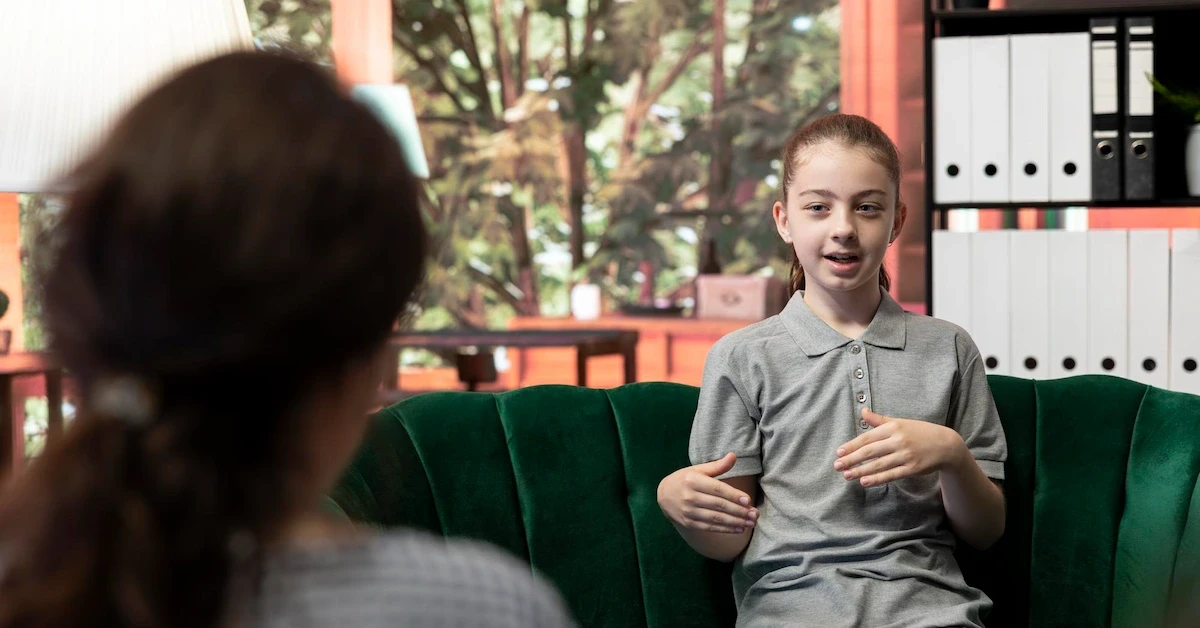
Learning public speaking from an early age helps children develop communication skills, confidence, and clarity of thought all at once.
For many people, public speaking is often listed as one of the greatest fears. The idea of speaking in front of a group can feel intimidating, even for adults.
Yet, public speaking is also one of the most valuable skills a person can develop. The ability to express ideas clearly, communicate confidently, and speak with purpose is an essential tool for leadership and influence.
For children, learning public speaking early in life can build confidence, strengthen communication skills, and help them grow into individuals who are able to share their ideas and stand up for what is right. With encouragement and consistent practice, public speaking can become a natural and empowering skill.
What Is Public Speaking?
Public speaking refers to the ability to communicate ideas effectively to an audience. It involves more than simply talking in front of others. Strong public speaking requires clear thinking, organized ideas, and the confidence to deliver a message with clarity and purpose.
Children practice public speaking in many ways, such as presenting projects in class, sharing stories, participating in discussions, or explaining their ideas to others. These experiences help them develop communication skills that will benefit them throughout their academic journey and future careers.
More importantly, learning to speak confidently allows children to share their perspectives and contribute meaningfully to conversations that shape their communities.
5 Benefits of Learning Public Speaking for Children and Teens
Public speaking is a skill that can begin developing as early as ages 3–5 through simple activities such as storytelling, singing, answering questions, or sharing about their favorite toy with family members and classmates.Here are several key benefits children can gain when they begin practicing public speaking early in life.
Building Confidence
One of the most noticeable benefits of learning public speaking is increased confidence. Many children initially feel shy or nervous when speaking in front of others. However, with gradual exposure and encouragement, they begin to feel more comfortable sharing their thoughts.
Each speaking opportunity helps children overcome their fears, even if it’s as simple as sharing ideas in a discussion. Over time, they learn that their voice matters and that they are capable of communicating effectively.
This growing confidence often extends beyond speaking situations and positively influences other areas of their lives.
Developing Clarity of Thought
Public speaking requires children to organize their thoughts before expressing them. In order to communicate clearly, they must think about the structure of their message and choose words that help their audience understand their ideas.
This process strengthens critical thinking and helps children learn how to present ideas logically. As they practice structuring their thoughts, they become better communicators and more effective problem-solvers.
Strengthening Persuasion Skills
Public speaking also helps children learn how to advocate for their ideas and beliefs. When your children present arguments, explain viewpoints, or participate in discussions at school, they develop the ability to persuade others thoughtfully and respectfully.
These skills are valuable in academic settings and in everyday life. The ability to express ideas clearly and respectfully allows your child to contribute meaningfully to conversations and decision-making processes.
Improving Communication and Social Skills
Public speaking encourages children to listen, respond, and engage with others. Through discussions and presentations, they learn how to communicate ideas clearly while considering their audience.
These experiences strengthen social awareness and help children develop the ability to communicate with empathy and respect.
Preparing for Leadership Opportunities
Strong communication is often at the heart of effective leadership. Children who learn to express their ideas confidently are more prepared to lead discussions, guide projects, and inspire others.
Public speaking equips children and teens with the courage and clarity needed to participate in conversations that shape their communities and future opportunities.
5 Ways Parents Can Help Children Practice Public Speaking at Home
While schools provide important opportunities for presentations and discussions, parents can also support their children’s public speaking development through simple activities at home.
Create a “Show and Tell” Family Tradition
A simple way to practice speaking is by introducing a regular “show and tell” moment at home. Children can share a favorite object, toy, book, or story with the family and explain why it is meaningful to them.
This activity helps children practice explaining ideas while building confidence in a supportive environment.
Encourage Reading Aloud
Reading aloud is another effective way to strengthen speaking skills. When children read stories, poems, or passages out loud, they learn to pay attention to tone, pace, and expression.
This practice improves pronunciation and helps children become more comfortable speaking in front of others.
Let Children Lead Conversations
Family meals can be a valuable opportunity for practicing communication. Parents can encourage children to lead part of the dinner conversation by sharing something they learned at school or asking a question for everyone to discuss.
These moments teach children how to express their thoughts clearly while engaging respectfully with others.
Provide Constructive Feedback
Encouraging feedback helps children grow in their speaking abilities. Parents can gently guide children by highlighting what they did well and suggesting ways they can improve.
Learning how to receive feedback with humility and confidence is an important skill that supports both personal growth and communication development.
Celebrate Effort and Progress
Public speaking skills develop gradually. Celebrating a child’s effort during the times they spoke confidently, organized their ideas well, or simply tried something new can help build motivation and resilience.
Encouragement helps children see speaking opportunities as exciting challenges rather than intimidating experiences.
How Christian Faith Encourages Public Speaking
The ability to speak with courage and clarity is also reflected in the Bible. In Exodus 4:10–12, Moses expressed his fear about speaking to others. Yet God reassured him, promising to help him speak and teach him what to say.
This passage reminds us that our abilities can grow when we trust God and step forward with faith.
Similarly, 1 Peter 3:15 encourages believers to “always be prepared to give an answer to everyone who asks you to give the reason for the hope that you have.” Teaching children to speak clearly and confidently helps prepare them to share truth, defend the vulnerable, and communicate their faith.
Their voice becomes a tool that can be used to encourage others, stand up for justice, and share the Gospel. As Colossians 4:6 reminds us, our speech should be “seasoned with salt,” reflecting wisdom, grace, and truth.
Equipping Your Child to Speak with Courage and Purpose
Giving children opportunities to develop their communication skills and confidence in speaking is at the core of our holistic learning approach.
Through classroom presentations, debate clubs, student organizations, and school events, our students are encouraged to express ideas, engage in meaningful discussions, and develop leadership abilities. Events such as exhibitions and collaborative projects also allow them to present their work and communicate their learning with others.
These experiences help students grow not only in eloquence but also in courage, preparing them to speak up for what is right and use their voices for positive influence.
We believe that every student’s voice has value. That is why we equip students with strong communication skills and a foundation of faith, preparing them to make their voices heard in places of influence, ultimately using their words to serve others and bring glory to God.

Share this blog post

Established in 1993, Sekolah Pelita Harapan (SPH) has become a trusted International Christian School in Jakarta providing Christian education for Indonesian and expatriate families. As a dedicated partner in education, SPH seeks to empower families with personalized programs and resources, fostering academic excellence, nurturing faith, building character, and facilitating their children's personal growth.