
How International Preschool Supports Bilingual Education For Your Little Ones
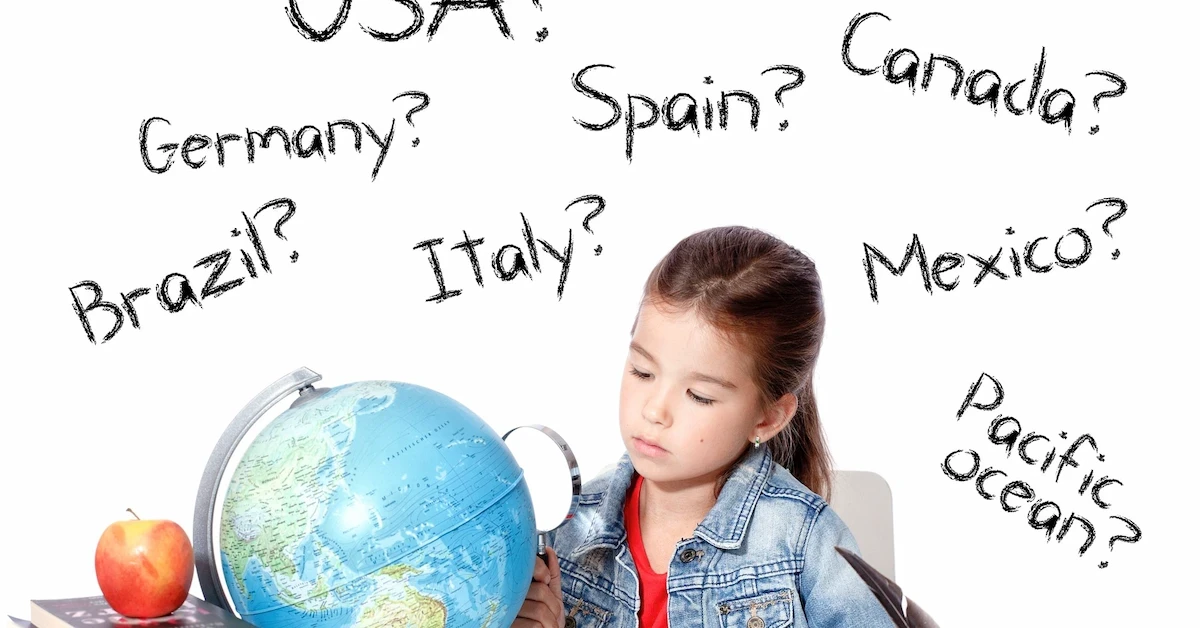
Many non-English speaking families carefully consider how to prepare their children for an English-based learning environment.
Parents want their children to gain strong English skills while still valuing their home language. Because of this, many families explore international preschools that support early bilingual development in a natural and age-appropriate way.
However, what families truly need is not simply exposure to English, but a strong English foundation delivered in ways that feel supportive, engaging, and developmentally appropriate.
Read on to learn how an international preschool can give your child the best start.
How International Preschool Supports Bilingual Education
Parents naturally want to give their children a strong start. In a world that is increasingly interconnected, bilingualism offers a lifelong advantage. Learning two languages from an early age strengthens neural pathways in the brain, encouraging flexibility in thinking and deeper awareness of how language works.
Children in an international environment don’t just memorize words. They also learn how to interpret meaning, communicate thoughtfully, and engage with peers from diverse backgrounds.
Over time, this builds confidence and resilience, qualities that benefit them in every subject area.
Read Also: Benefits of Early Childhood Education
How Multilingual Learning Builds Global Skills in Early Childhood Education
The benefits of dual language learning extend beyond cognitive development. An international school environment shapes how children understand people and the world around them.
Cultural Empathy
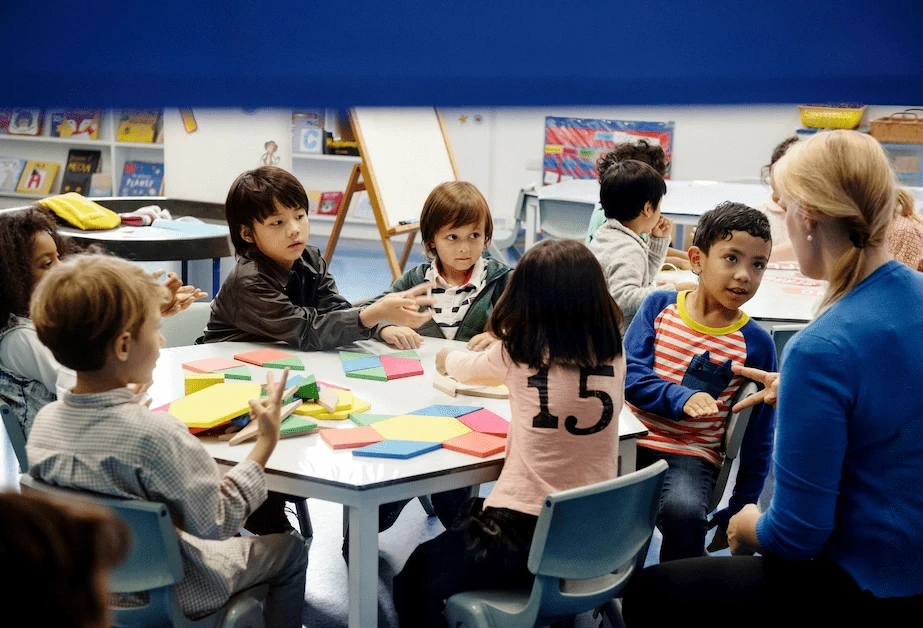
In an international preschool, early childhood education introduces children to classmates, cultures, and perspectives from different parts of the world.
Through daily interaction with teachers and peers, children learn to respect differences and develop strong emotional skills that support healthy emotional development. This experience helps preschool children grow more open-minded and confident when interacting with other children in diverse environments.
Preparing Children for Future Success in a Globalized World
Quality preschool education helps children learn important communication skills that support collaboration and understanding across cultures.
With guidance from experienced teachers and support from parents, preschool children explore new concepts and build confidence when expressing ideas. These early experiences help prepare children for future success in an increasingly connected global world.
Developing Cognitive and Communication Skills
In an international preschool environment, teachers design activities that help children learn while strengthening cognitive skills and communication abilities. Through storytelling, discussions, and interactive activities, they are introduced to new vocabulary and simple words that support early understanding. This type of early learning encourages children to think critically, express ideas clearly, and engage confidently with others.
Encouraging Curiosity
International preschool education also focuses on holistic learning, where children grow academically, socially, and emotionally at the same time.
In a supportive learning environment, teachers guide the children through exploration and fun activities that encourage curiosity about the world around them. These experiences help them develop strong emotional skills, creativity, and confidence in learning.
Strengthening Foundations During the Early Years
The early years are a crucial period in early childhood development where children build essential skills for future learning. During this stage, teachers will guide them through activities where children play, explore ideas, and learn at their own pace.
These experiences support emotional development, fine motor skills, and strong foundations for kindergarten education and later academic success.
Read Also: Separation Anxiety in Early Childhood: How Parents Can Help Their Child Feel Safe
Global Learning and Cultural Diversity at SPH
At Sekolah Pelita Harapan (SPH), students come from diverse linguistic backgrounds. Many students speak Bahasa Indonesia or another home language, and they develop English proficiency through daily learning in an international school environment.
SPH uses English as the primary language of instruction to build strong global communication skills. At the same time, students experience diversity within an international environment, where teachers and students from around the world learn together. Our teachers guide students to grow confidently in English while honoring and respecting their first language.
Students develop language skills through classroom discussions, collaborative projects, inquiry-based learning, and everyday interaction. Teachers integrate language naturally into the learning process so students build fluency through meaningful use rather than isolated practice.
Through consistent guidance and purposeful instruction, SPH supports students in becoming confident communicators while preserving their linguistic and cultural identity.
A Biblical Perspective: A Heart for All Nations
Language diversity is part of God’s design. In Acts 2, during Pentecost, people from different nations heard the message of God in their own languages. This moment highlights the beauty of being understood and the power of communication across cultures.
The Great Commission calls believers to reach all nations, and learning another language is a vital step in answering that call. It is an act of love—learning the language of others to serve and understand them more deeply. Rather than erasing cultural differences, bilingual education celebrates them as a way to build these meaningful connections.
When children grow up valuing multiple languages, they develop a heart that is open to people from different backgrounds. This aligns with the Biblical vision of unity within diversity.
Read Also: Types of Preschool Curriculum: What Parents Need to Know
Expanding a Child’s World through International Preschool
Choosing an international preschool is about more than language acquisition. It expands a child’s world intellectually, socially, and spiritually.
When children learn in an English-based environment while continuing to value their home language, they develop the confidence to communicate clearly and engage with different cultures.
An international preschool with a strong English foundation supports bilingual development in a purposeful and age-appropriate way.
Teachers integrate language naturally into daily learning, helping children strengthen communication skills, character, and essential life skills within a supportive community grounded in Biblical values.
By choosing an international preschool that prioritizes holistic learning, parents give their children a strong start and the ability to navigate a diverse world with confidence.
For families seeking an international preschool that nurtures a global perspective alongside deep faith, strong character formation, and academic excellence, we invite you to contact SPH to learn more about our programs and admissions process!

Share this blog post
Established in 1993, Sekolah Pelita Harapan (SPH) has become a trusted International Christian School in Jakarta providing Christian education for Indonesian and expatriate families. As a dedicated partner in education, SPH seeks to empower families with personalized programs and resources, fostering academic excellence, nurturing faith, building character, and facilitating their children's personal growth.