
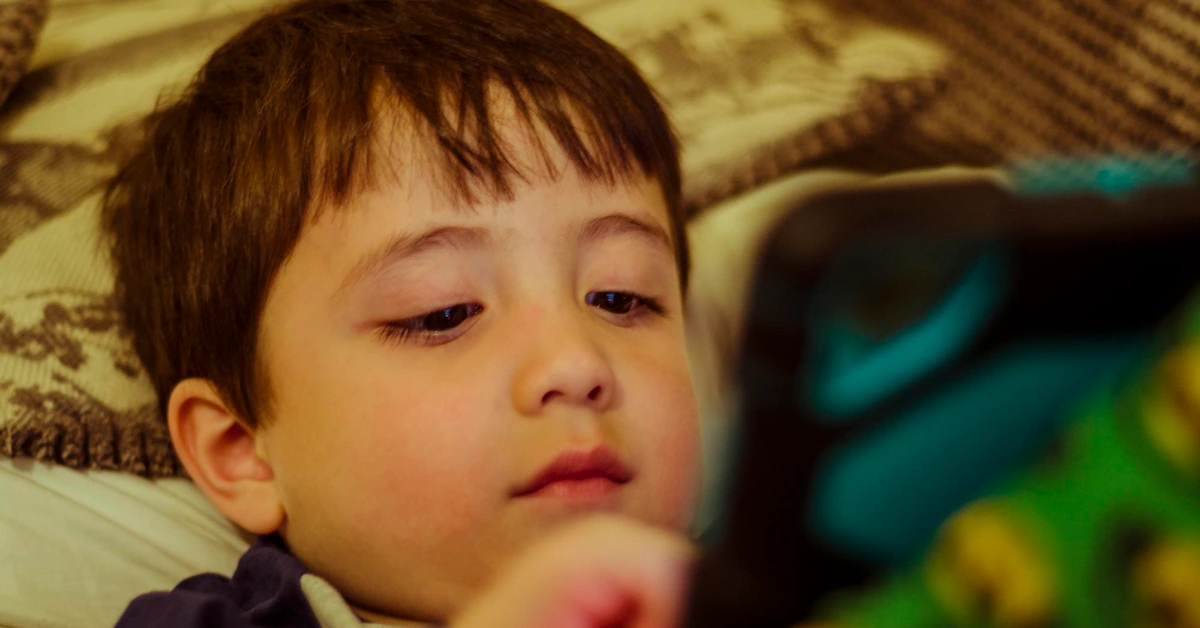
Screen time for 3 year olds is starting earlier than many parents expect. Long before they can speak in full sentences, screens often become part of daily life: a short video during meals, a calming cartoon before bedtime, or a phone handed over to stop a tantrum.
These moments may feel harmless, even helpful, yet many parents quietly wonder how much screen exposure is shaping their child’s attention, emotions, and learning right now.
This concern matters, because the toddler years are a critical stage when the brain is forming connections that influence language, focus, emotional regulation, and social skills for years to come.
The good news is, you are not powerless, and the guidance below will help you make choices that truly support your child.
Why the Toddler Years Matter So Much
The early years of a child’s life shape how they think, feel, and interact with the world around them. This is why understanding the impact of screen time during this stage helps parents make healthier choices that support real development.
1. Brain Development Happens Rapidly Between Ages 1 and 3
Between the ages of 1 and 3, a toddler’s brain develops at an extraordinary pace, forming neural connections that support language, emotional regulation, and social interaction.
This stage of brain development depends on real-world experiences like moving, touching, and connecting with people. Too much screen time during this young age can crowd out the sensory input children need most.
2. Toddlers Learn Best Through Real Human Interaction
Toddlers develop essential skills through direct interaction with parents, caregivers, and other family members.
Developing language happens through back-and-forth conversations, not passive viewing of digital screens. Watching TV or using digital devices cannot replace the feedback and emotional cues children receive from real people.
3. Social and Emotional Skills Come From Connection, Not Screens
Young children learn empathy, turn-taking, and reading facial expressions by spending time with others, not through streaming platforms or video games.
Passive screen use limits opportunities for play and shared experiences that help children understand emotions. These interactions are critical for cognitive development and healthy relationships.
4. Fast-Paced Screens Can Affect Focus and Sleep
Constant stimulation from screens can make it harder for a child to concentrate on physical play or independent play.
Screen exposure close to bedtime, especially from blue light, may interfere with healthy sleep routines. When screen time replaces rest and movement, it can affect a child’s ability to recharge.
5. Screens Are Not Harmful, But Balance Is Essential
This does not mean screens are harmful, but excessive time can reduce meaningful play and physical activity.
Young children’s screen time should be intentional and guided, not a default choice. Setting healthy screen time early protects a child’s emotional and mental growth.
 Setting Healthy Screen Time for 3 Year Olds Through Clear Boundaries

Because screens are part of everyday life, setting screen time boundaries can feel overwhelming for parents. Yet clear limits help children develop balance, self-regulation, and healthier habits in the digital world.
1. Follow Age-Based Screen Time Limits
For babies and toddlers aged 18 to 24 months, screens should only be introduced through video chatting or shared viewing with a parent.
For children between 2 and 5 years of age, screen time should be limited to one hour per day, as recommended by the World Health Organisation. These screen time limits ensure that screens do not replace play, rest, and social interaction.
2. Make Screens Intentional, Not Automatic
Healthy screen time means choosing age appropriate content and high quality programming, rather than random videos.
Learning games or trusted programs can support learning when watched together. Parental controls also help prevent exposure to inappropriate content.
3. Create Screen Free Zones and Routines
Establish screen free zones during meals, in the child’s bedroom, and before bedtime.
Consistent time limits teach children that screens are a tool, not the center of daily life. These routines reduce power struggles and help children feel confident about boundaries.
4. Encourage Play and Real-Life Exploration
Physical play, small toys, and creative activities support problem-solving and social growth.
Giving your child opportunities to explore, move, and interact strengthens their emotional and physical development. These experiences help replace screen use with meaningful learning.
5. Model Healthy Screen Habits as Parents
Children learn by watching adults, so being a good example matters.
When parents balance screen use with family time and other activities, children understand healthy boundaries. These parenting choices support long-term well-being and emotional security.
Read Also: Fun and Easy Preschool Learning Activities at Home
Why What Children Watch Matters More Than How Long They Watch
Many parents worry about how much screen time their child is getting, but what young children watch can matter even more than the number of minutes. When screen time is filled with fast, overstimulating content, it can shape habits, attention, and learning in ways that are not always healthy.
1. Not All Screen Time Supports Learning
Not all screen time is created equal, especially for young children who are still developing focus and language.
Some programs are designed only for entertainment and move too quickly, offering little space for reflection or problem-solving. When children spend time watching TV that lacks educational value, it may contribute to sedentary behaviour rather than active learning.
2. Educational Content Encourages Active Thinking
High-quality content can help children solve problems, recognize patterns, and explore new ideas in a meaningful way. Programs that invite children to sing, count, and respond support learning rather than passive consumption. This kind of screen time can become part of a balanced routine instead of replacing play.
3. Co-Viewing Turns Screen Time Into Connection
When parents watch alongside their child, screen time becomes interactive instead of isolating.
Talking about what is happening, asking simple questions, and responding to curiosity helps young children process what they see. This shared experience strengthens relationships while guiding children toward healthier habits.
4. Guided Use Supports Healthy Development
Interactive screen use allows parents to model values and reinforce learning in everyday moments.
Instead of focusing only on how much screen time is allowed or whether it is more than an hour, it helps to ask whether the content supports growth. Research in public health and systematic review studies shows that intentional, guided viewing leads to better outcomes than unrestricted use.
Read Also: Types of Learning Styles: Knowing Your Child’s Better
Screen Time Through the Lens of Christian Faith
From a Christian perspective, parenting is rooted in intentional guidance and stewardship. Time, attention, and opportunities for growth are gifts entrusted to families by God. Teaching toddlers how to use time wisely, long before they understand the concept fully, begins with the rhythms parents establish at home.
1. Stewardship of Time and God-Given Potential
Stewardship involves caring for what has been entrusted to us, including our children’s developing minds and hearts. Excessive or unstructured screen time can unintentionally limit opportunities for creativity, exploration, and relational growth.
By setting thoughtful boundaries, parents help children use their time in ways that nurture curiosity, resilience, and purpose, which are qualities that reflect God’s design for holistic growth.
2. Presence, Connection, and Faith Formation
Scripture emphasizes the importance of presence and intentional teaching within daily life. Deuteronomy 6:6–7 reminds parents to speak about faith and values as they sit at home, walk along the road, and engage in everyday moments.
These moments require presence. This is something screens can easily interrupt.
When screens dominate family time, opportunities for conversation, shared play, prayer, and emotional connection are reduced.
Choosing to be fully present with toddlers not only supports emotional and social development but also lays the foundation for spiritual bonding and trust.
3. Encouraging Real-World Exploration During the Early Years
Toddlers learn best through hands-on experiences: stacking blocks, running outdoors, listening to stories, asking questions, and engaging with others.
These activities build motor skills, problem-solving abilities, confidence, and imagination, which are elements that no screen can fully replicate.
Parents are encouraged to view screens as a supplementary tool rather than a central feature of early childhood. Prioritizing play, movement, and interaction reflects a commitment to raising children who are curious, emotionally secure, and socially engaged.
The early childhood education at Sekolah Pelita Harapan emphasizes holistic development to nurture academic readiness alongside character, faith, and well-being.
This approach aligns with the understanding that young children need balanced environments where learning is rooted in relationships, exploration, and purpose.
Read Also: Ways to Enhance Neuroplasticity and Learning in Early Childhood Years
Choosing What Matters Most for Your Child’s Future
Screens may be part of everyday life, but they do not have to shape your child’s childhood. With healthy boundaries, meaningful content, and your presence, you can protect this precious season of early development and help your child grow with confidence, curiosity, and balance.
This journey becomes even stronger when home and school move in the same direction. In early childhood classrooms, children learn through movement, play, storytelling, and real connection, not passive screen use.
At Sekolah Pelita Harapan, learning is designed around hands-on experiences that build focus, communication, problem-solving, and emotional regulation, showing children that joy and learning happen in the real world.
When families and schools work together, children receive a clear message: screens are a tool, not a replacement for relationships, discovery, and growth.
If you are looking for a preschool Jakarta or an international school Indonesia that truly supports your child’s holistic development, we invite you to connect with Sekolah Pelita Harapan.
Let us walk with you as you build a strong foundation for your child’s future!